



Cairo: Beyond the Giza Plateau
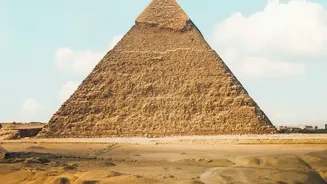
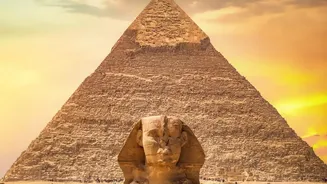
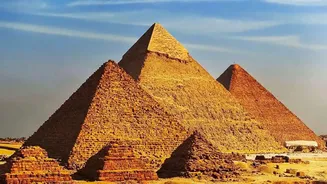
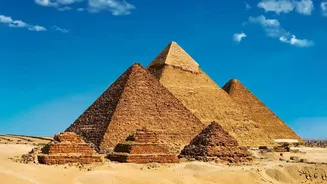
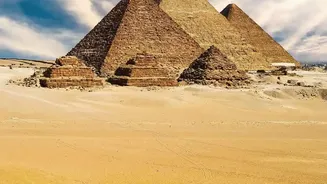
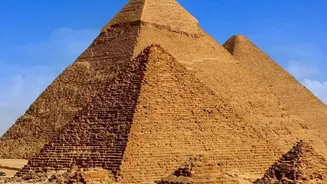
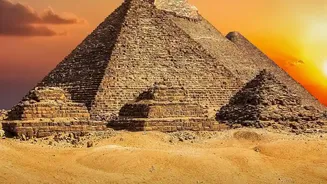
No trip to Egypt is complete without standing in the shadow of the Great Pyramids of Giza. The sheer scale is breathtaking, a moment that lives up to every expectation. But the crowds can be just as immense. For a different, more personal encounter with pyramid-building,
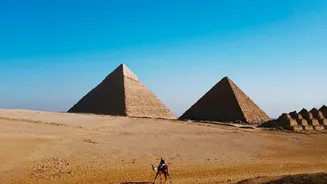
consider a trip to Dahshur. Located about an hour south of Cairo, this archaeological site is home to the Bent Pyramid and the Red Pyramid, precursors to the Giza complex. Here, the desert landscape is vast and quiet, allowing you to contemplate these ancient structures without the constant hustle. You can often explore inside the Red Pyramid with few, if any, other people around, offering a sense of discovery that is harder to find at Giza. After a day of ancient wonders, instead of heading to a bustling bazaar, find a moment of peace in Zamalek, an upscale district on Gezira Island. This area offers quiet, leafy streets, art galleries, and riverside cafes where you can watch feluccas drift by.
Luxor: Temples Great and Small
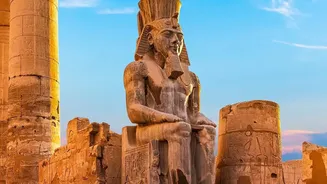
Luxor is often called the world's greatest open-air museum, and for good reason. The grandeur of Karnak Temple and the mystique of the Valley of the Kings are essential experiences. Yet the popularity of a few key tombs means you'll be sharing them with a crowd. To complement this, take a day trip north to the temples of Dendera and Abydos. While it's a long day of driving, these sites are among the best-preserved in all of Egypt. The Temple of Hathor at Dendera is famous for its stunningly vibrant astronomical ceiling, a masterpiece of Ptolemaic art. Abydos, a more ancient and sacred site, is home to the Temple of Seti I, which contains the famous Abydos King List and some of the most intricate and beautiful reliefs in the country. Visiting these temples offers a deeper appreciation for Egyptian art and mythology in a more tranquil setting.
The Nile: A Tale of Two Journeys
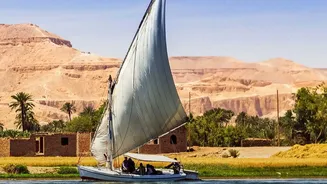
Sailing the Nile between Luxor and Aswan is a quintessential part of the Egyptian travel experience. The choice of vessel, however, dramatically shapes the journey. A large Nile cruise ship offers comfort and efficiency—a floating hotel with private cabins, pools, and guided excursions to the major temples along the route. It’s a structured way to see the sights without the logistical hassle. For a more intimate and serene adventure, consider a felucca. These traditional wooden sailboats are powered by the wind, offering a slower, quieter pace. You'll sleep on the open deck under the stars and eat simple meals prepared by the crew. A felucca trip is less about a packed itinerary and more about immersing yourself in the rhythm of the river itself, watching rural life unfold on the banks and disconnecting from the modern world.
Relaxation: Oasis Calm or Red Sea Buzz
When it's time to unwind, Egypt presents two distinct options: the vibrant Red Sea coast or the tranquil desert oases. Resorts in Hurghada and Sharm El-Sheikh are hubs of activity, known for world-class diving, snorkeling, and energetic nightlife. They offer luxury, convenience, and a wide array of water sports. For a completely different kind of peace, venture into the Western Desert to the Siwa Oasis. This remote sanctuary is a world of salt lakes, hot springs, and olive groves, offering a profound sense of calm. It’s a place for slow travel, desert safaris, and connecting with the unique local Amazigh culture. Another accessible option is the Fayoum Oasis, just a couple of hours from Cairo, known for its waterfalls, pottery villages, and the vast Lake Qarun. Choosing between them is about deciding what you need more: lively entertainment or quiet solitude.
Defining Your Own Travel Value
Ultimately, the most rewarding trip to Egypt is one that aligns with your personal definition of value. For some, value lies in efficiency and seeing the iconic, bucket-list monuments that have defined Egypt for millennia. There is undeniable power in witnessing these sites firsthand. For others, value is found in the unscripted moments: sipping tea with a local guide, getting lost in a quiet temple courtyard, or watching a desert sunset in silence. There is no right or wrong way to explore this country. The key is to be intentional. Plan to see the wonders that called you to Egypt in the first place, but also leave space in your itinerary for the quieter, less-traveled paths. By creating a journey that balances the monumental with the personal, you move beyond being just a tourist and become a true traveler, crafting a story that is uniquely your own.