






The Global Crude Forecast
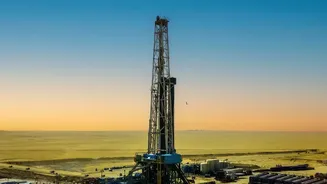
First, let's look at the big picture for crude oil. Forecasts from S&P Global and other analysts suggest a period of volatility. Some projections show Brent crude prices could average around $80-$100 per barrel through 2027, influenced by geopolitical
tensions, supply adjustments by OPEC+, and global demand shifts. S&P Global's long-term view even notes a potential dip as production peaks in 2026 before recovering. However, this global benchmark for raw crude is only the first ingredient in the complex recipe for the price you pay to fill your tank.
From Crude to Petrol: The Refining Margin
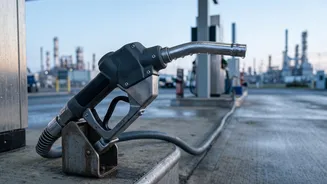
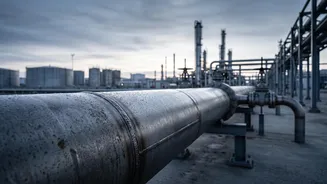
Crude oil isn't pumped directly into your car; it must be refined into petrol. This process has its own costs and profit margins, often called the 'crack spread'. The availability and capacity of refineries play a huge role here. If refineries are running at full tilt or if there's a shortage of capacity, the margin for turning crude into finished fuel widens. This means that even if crude prices are stable or falling, a high refining margin can keep petrol prices elevated. Standalone refiners can be in a 'sweet spot', earning healthy returns when these margins are wide, a cost that is ultimately passed on to distributors and consumers.
The Heavy Hand of Taxes
In India, taxes are the single largest component of the retail price of petrol. Both the central government and state governments levy significant taxes. The Centre imposes a fixed excise duty, which includes components like a road and infrastructure cess. State governments, on the other hand, levy Value Added Tax (VAT), which varies widely from one state to another. Combined, these taxes can account for nearly half of the final pump price. Because the central excise duty is a fixed amount per litre, it doesn't decrease when crude prices fall, creating a major disconnect between global trends and local prices.
The Rupee-Dollar Exchange Rate
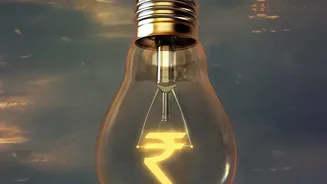
India imports over 85% of its crude oil, and these international transactions are settled in U.S. dollars. This means the USD-INR exchange rate is a crucial, often invisible, factor in fuel pricing. When the rupee weakens against the dollar, India has to pay more rupees for the same barrel of oil. This increase in import cost is passed down the supply chain. In recent times, the rupee has been under pressure, trading near levels of 96-97 to the dollar, partly due to high oil import bills. A weak rupee can therefore cancel out the benefit of falling international crude prices.
Policy, Pricing Freezes, and OMCs
While India technically follows a dynamic pricing system where prices are revised daily, there are often periods where prices at the pump are frozen, especially during times of high volatility. During these phases, state-run Oil Marketing Companies (OMCs) like IOC, BPCL, and HPCL absorb the losses when crude prices spike, preventing the full impact from hitting consumers immediately. However, when crude prices eventually fall, these companies use the opportunity to recover their prior losses, which is another reason why the benefit isn't fully passed on to consumers. Government interventions, such as windfall taxes on fuel exports or cuts in excise duty that benefit OMCs rather than consumers, also add another layer of complexity to the final price.