

The Challenge of a Landmark Project
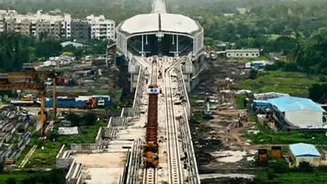
The Mumbai-Ahmedabad High-Speed Rail (MAHSR) corridor, India’s pioneering bullet train project, has been a monumental undertaking. Spanning 508 kilometres, it involves constructing massive viaducts, bridges, stations, and even an undersea tunnel. While
construction is progressing, with the first section between Surat and Bilimora targeted for a 2027 launch, the project has highlighted the complexities of building such infrastructure from scratch. Each new corridor, if designed independently, would require a fresh start on engineering plans, leading to significant time and resource expenditure.
What is Design Standardisation?
In response, the National High Speed Rail Corporation Limited (NHSRCL), the body overseeing the projects, is creating a 'design library'. Instead of creating unique designs for every single pier, girder, viaduct, and station for each new route, the agency will use a common set of pre-approved engineering templates. This initiative, part of the 'Bharat High Speed Rail Programme', draws on the learnings from the Mumbai-Ahmedabad project to create a master blueprint. According to Railway Minister Ashwini Vaishnaw, this move is based on the experience gained from the first corridor and will cover key infrastructure like bridges, tunnels, and stations. NHSRCL is involving top technical institutes like the IITs to help develop these standards.
The Benefits: Speed, Savings, and Synergy
Adopting a standardised approach offers a threefold advantage. Firstly, it dramatically speeds up execution. With ready-made designs, contractors can begin work faster and even pre-fabricate components, reducing on-site construction time. Secondly, it leads to significant cost savings through economies of scale in procurement and simplified planning. Thirdly, it ensures uniform quality and safety across the entire network. This consistency simplifies long-term maintenance, operations, and staff training, as equipment and procedures will be similar across different corridors. The approach aims to create an indigenous high-speed rail standard suited to Indian conditions.
A Blueprint for a National Network
This strategic shift is not just about making the next project easier; it's about enabling the rapid expansion of a nationwide high-speed network. The government has already announced seven new corridors, including routes like Delhi-Varanasi, Mumbai-Pune, and Hyderabad-Bengaluru, spanning approximately 4,000 kilometres. Standardisation provides a 'plug-and-play' model for these future lines. By establishing a common framework now, India is laying the groundwork to connect its major economic hubs far more quickly than if each corridor were treated as a standalone project. NHSRCL has already initiated consultancy work to apply these standard designs to the proposed Chennai-Bengaluru and Delhi-Varanasi corridors, signaling a clear move towards implementation.