



The Core Philosophy
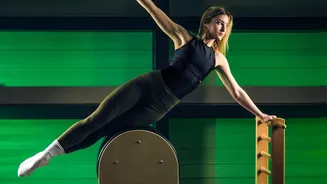
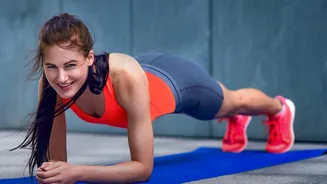
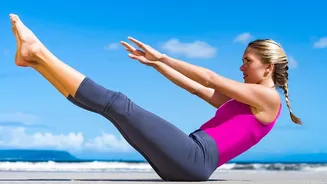
At its heart, Pilates is a discipline of control. Developed by Joseph Pilates, it's a low-impact exercise method focused on strengthening the deep muscles of your core—the 'powerhouse' that includes your abs, lower back, hips, and glutes. The guiding
principles are concentration, control, centering, flow, precision, and breathing. Each movement is deliberate, designed to improve posture, stability, and body awareness. It's about how you move, not just that you're moving. Zumba, on the other hand, is about joyful expression. Born from a happy accident when a Colombian fitness instructor forgot his aerobics music and used Latin tapes instead, its philosophy is 'ditch the workout, join the party'. It combines high-energy dance and aerobic movements set to upbeat Latin and international music. The focus is on letting loose, having fun, and keeping your heart rate up.
What a Class Feels Like
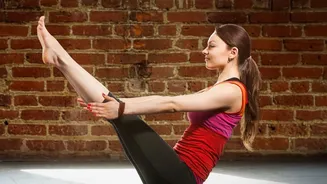
Walk into a Pilates class, and the atmosphere is typically calm and focused. Whether on a mat or a Reformer machine, the instructor guides you through a series of precise exercises. They will emphasize proper form and breathing, encouraging you to engage specific muscles. The movements are often small but challenging, requiring intense concentration. In contrast, a Zumba class feels like a celebration. The music is loud, the energy is high, and the instructor leads the class through choreographed dance routines. You'll see moves inspired by salsa, merengue, reggaeton, and hip-hop. Don't worry if you're not a dancer; the steps are repetitive and easy to follow, and the vibe is more about having fun than getting every move perfect. The instructor often uses non-verbal cues to guide you through the fast-paced transitions.
The Physical Benefits: Strength vs. Cardio
The primary physical benefit of Pilates is building a strong, stable core. This leads to improved posture, reduced back pain, and better balance. It creates long, lean muscles without adding bulk and significantly enhances flexibility and joint mobility. While you do burn calories, it's not considered a high-intensity cardio workout. Zumba is the opposite. It’s an excellent cardiovascular workout that gets your heart rate up and keeps it there through interval training—alternating between high- and low-intensity dance sequences. This makes it highly effective for burning calories and supporting weight loss. An average session can burn between 400 and 600 calories. It also improves coordination, endurance, and overall cardiovascular health.
Mental and Emotional Gains
Both workouts offer significant mental benefits, but in different ways. Pilates is often described as a form of moving meditation. The intense focus on breath and controlled movement fosters a strong mind-body connection, which can reduce stress and improve mental clarity. You leave feeling centered, taller, and more aware of your body. Zumba's benefits are more outwardly expressive. The combination of upbeat music, dance, and a social group atmosphere is a powerful mood booster. Releasing endorphins through such a fun activity can significantly reduce stress and leave you feeling energized and happy. Studies suggest the social, party-like atmosphere is particularly effective at improving mental health and emotional well-being.
So, Which Is for You?
Choosing between Pilates and Zumba depends entirely on your goals and personality. Choose Pilates if you want to: build deep core strength, improve your posture and flexibility, recover from an injury, or prefer a focused, low-impact workout that hones your mind-body connection. Choose Zumba if you want to: burn a lot of calories, improve your cardiovascular fitness, lose weight, and love the idea of a fun, high-energy, music-filled workout that feels more like a party than exercise. Many people find that the two workouts complement each other perfectly. You can use Zumba for your cardio sessions and Pilates to build foundational strength, prevent injury, and improve your overall movement quality.