








From One Flight to the Next
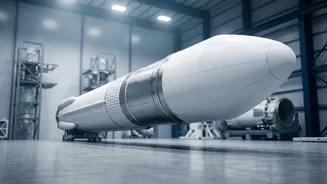
In a significant development for India's private space industry, Skyroot Aerospace has dispatched the first stage of its second Vikram-1 rocket to the Satish Dhawan Space Centre in Sriharikota. This move, announced on National Space Day, comes remarkably
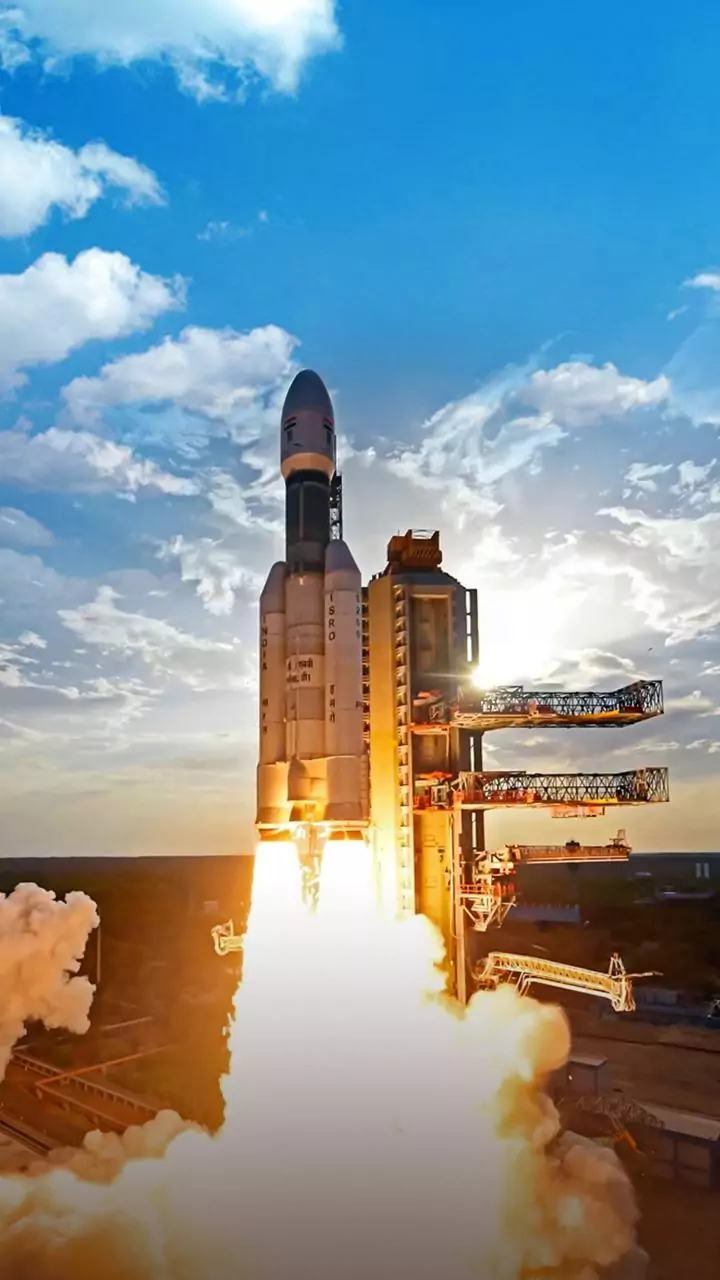
quickly after the company's triumphant maiden orbital launch on July 18, 2026. That mission, named 'Aagaman', successfully placed satellites into orbit and made India only the third country, after the US and China, with a private company capable of orbital launches. The rapid shipment of hardware for the next mission signals a clear intent to establish a regular and reliable launch cadence, moving from a historic first to routine operations.
Understanding the Vikram-1 Rocket
The Vikram-1 is the cornerstone of Skyroot's commercial launch services. Designed as a small-lift launch vehicle, it stands approximately 24 meters tall and is engineered to deliver payloads of up to 350 kilograms into Low Earth Orbit. Its primary market is the booming global small satellite industry. What sets the Vikram-1 apart is its innovative construction. It features an all-carbon-fiber body, which is lighter than traditional materials and allows for faster manufacturing. Furthermore, its upper-stage engines are 3D-printed, showcasing indigenous high-tech capabilities. The rocket uses three solid-fuel stages and a final liquid-fueled stage for precise orbital insertion, a design chosen for its reliability and efficiency.
The Business of Repetition
While the first successful launch was a monumental technical achievement, this second mission is arguably more important from a business perspective. In the commercial space market, reliability is currency. A single success proves capability, but consistent, repeatable launches build customer trust and secure long-term contracts. By quickly moving to prepare its second rocket, Skyroot is demonstrating to potential clients—satellite operators from around the world—that its 'Mission Aagaman' was not a one-off event. The goal is to prove that its manufacturing and launch processes are robust and scalable, capable of meeting the demands of a competitive industry. A successful second flight would solidify its reputation as a dependable launch provider.
Powering India's 'New Space' Era
Skyroot's progress is a powerful symbol of India's broader space ambitions. The national government's 2020 policy reforms effectively opened the doors for private enterprise in a sector once dominated by the state-run ISRO. This has unleashed a wave of innovation, with the number of Indian space startups growing from just a handful to over 400 by 2026. The Indian space economy, currently valued at around $8.4 billion, is projected to surge to over $40 billion by 2030, with private players like Skyroot, Agnikul Cosmos, and others at the forefront. This ecosystem, supported by the regulatory body IN-SPACe, aims to make India a global hub for cost-effective and reliable space services.
The Road Ahead to Orbit
With the first stage now at the spaceport, the journey to the second launch has officially begun. The component will undergo further integration with the other stages of the rocket, followed by a rigorous series of tests and checks at the launch site in Sriharikota. Every step will be closely monitored to ensure the vehicle is ready for its flight. While a final launch date has not been announced, the rapid progress suggests the company is pushing an accelerated timeline. Each milestone passed brings Skyroot closer to its goal of not just reaching space, but industrializing access to it. For India's burgeoning private space sector, the countdown to a new era of commercial operations is well and truly on.