
Venus Takes Centre Stage
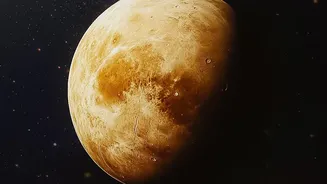
On August 15, 2026, Venus reaches what astronomers call its "greatest eastern elongation." In simple terms, this is the planet's moment to shine. It marks the point where Venus appears farthest from the Sun in our evening sky. This separation means the planet lingers
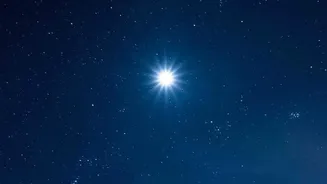
longer after sunset, climbing higher above the horizon than it does at other times. The result is a stunningly bright, unmissable beacon in the west. It’s often called the "Evening Star," and on this night, it will more than live up to the name, dominating the twilight with its steady, silvery light. This event isn't a fleeting moment like a shooting star; Venus will be a prominent evening object for several weeks around this date, but August 15th marks its peak performance.
How to Find the Evening Star
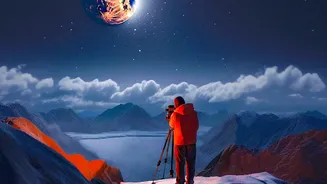
The best part about this celestial event is its accessibility. You don’t need an expensive telescope, binoculars, or any special equipment. All you need are your own eyes and a clear view of the western horizon. Begin looking about 30 to 45 minutes after sunset. As the sky darkens from a deep blue to an inky black, Venus will pop into view. It will be the brightest object in that part of the sky, so you can’t miss it. Unlike stars, which twinkle because their light is distorted by our atmosphere, Venus's light will be a steady, powerful gleam. For those in India, finding a spot with an unobstructed view to the west, away from tall buildings and direct city lights, will give you the best possible show.
The Science Behind the Shine
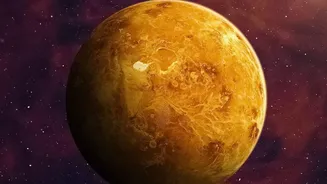
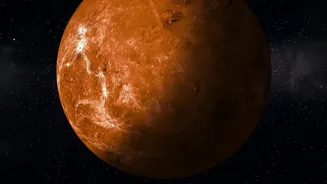
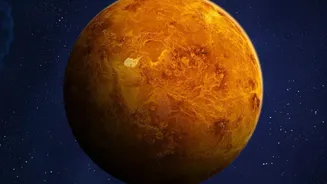
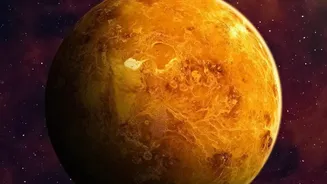
Why is Venus so incredibly bright? It’s a combination of a few key factors. First, it’s our closest planetary neighbour, coming nearer to Earth than any other planet. Second, its size is similar to Earth's, making it a substantial object in the sky. But the real secret to its brilliance is its atmosphere. Venus is perpetually shrouded in thick clouds that are incredibly reflective. They act like a giant mirror, bouncing about 70% of the sunlight that hits them back into space, and some of that reflected light heads directly towards our eyes here on Earth. This high reflectivity, or albedo, makes it the brightest planet in our solar system as seen from Earth.
An August Sky Full of Wonders
While Venus is the headliner, it’s not the only attraction in the August night sky. This month is traditionally one of the best for stargazers. The famous Perseid meteor shower is also active, peaking on the night of August 12-13. The peak is ideally timed this year, occurring during a new moon, which means darker skies and perfect conditions for spotting meteors. You can expect to see bright, fast meteors in the days surrounding the peak as well. Furthermore, other planets will be on display. The gas giants Jupiter and Saturn should also be visible as bright, steady lights, rising later in the evening and gracing the night sky. Using a simple stargazing app can help you locate all these celestial treats with ease.
Make the Most of Your Viewing Night
To enhance your skywatching experience, a little preparation goes a long way. First, try to get away from the glare of city lights. Even a short drive to a darker park or a rural area can make a huge difference, revealing more stars and making Venus appear even more striking. Second, give your eyes time to adapt to the darkness. It takes about 20 minutes for your pupils to fully dilate, so avoid looking at your bright phone screen. If you need a light, use a red torch, as red light is less disruptive to your night vision. Finally, make it an occasion. Pack a blanket, a flask of tea, and invite friends or family. Stargazing is a wonderful, grounding activity that connects us to the universe and to each other.