









A Line in the Sand
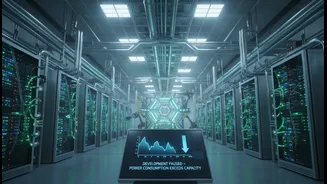
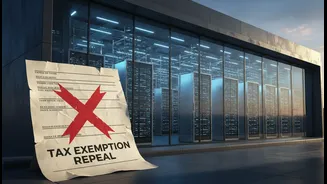
In July 2026, New York became the first state in the nation to enact a broad moratorium on the development of large-scale data centres. Governor Kathy Hochul signed an executive order pausing permits for new facilities that consume 50 megawatts of power
or more. This move followed the legislature's passage of the Responsible Data Center Development Act, which set a similar one-year pause. The goal is to give the state time to study the full environmental impact of these massive facilities on power grids, water resources, and local communities before greenlighting more projects. This wasn't New York's first step into these waters. In late 2022, the state had already placed a two-year moratorium on new air permits for fossil-fuel-powered plants used for energy-intensive 'proof-of-work' cryptocurrency mining, the original catalyst for this conversation. The new, broader moratorium signaled a major escalation, moving beyond the niche world of crypto and targeting the foundational infrastructure of the entire digital economy.
The Cloud's Physical Footprint
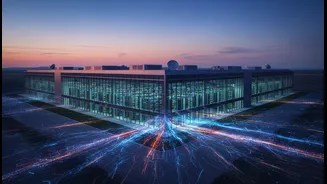
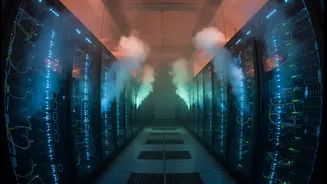
The term "the cloud" is a masterpiece of marketing, suggesting a weightless, ethereal space where our data floats harmlessly. The reality is far more industrial. Data centres are vast, physical buildings packed with rows upon rows of servers, networking gear, and cooling systems, all running 24/7. They are the engines of modern life, powering everything from artificial intelligence and online banking to your family's group chat and video streaming services. As our reliance on digital services has exploded, so has the demand for these facilities. Driven by the boom in AI, the scale of data centres is growing at a breakneck pace, with billions in private investment fueling their construction across the country.
The Soaring Energy Bill of Our Digital Lives
The core of the sustainability issue is energy. Data centres are incredibly power-hungry. Globally, they are projected to more than double their electricity consumption between 2024 and 2030. In the U.S. alone, data centres accounted for over 4% of the nation's total electricity use in 2023, a figure that could climb as high as 12% by 2028. A single large AI data centre can consume as much electricity as 100,000 homes. This immense power draw is for two main things: running the servers themselves and, crucially, keeping them from overheating. Cooling systems can account for up to 40% of a data centre's total energy use. This demand puts a significant strain on local power grids and, depending on the energy source, can generate massive carbon emissions.
Water Use and Community Impact
Beyond electricity, many data centres require huge volumes of water for their cooling systems. A large facility can consume millions of gallons a day, rivaling the water usage of a small town. This can be a major issue in drought-prone areas or communities with limited water supplies. There's also the matter of noise and the use of diesel-powered backup generators. These generators, which ensure data centres never go offline, can release harmful air pollutants when tested or used during power outages, posing health risks to nearby residents. It was these combined impacts—on the power grid, water supply, and local air quality—that pushed New York's moratorium from a niche regulatory issue into a mainstream concern about quality of life and environmental justice.
The Industry's Race to Go Green
The New York moratorium is a clear signal that the era of unchecked data centre growth is over. The industry is now in a race to prove it can operate sustainably. Major tech companies like Google, Meta, and Microsoft have been investing heavily in renewable energy, signing massive power purchase agreements to match their consumption with wind and solar. Innovation is also happening inside the facilities. Companies are developing more efficient cooling technologies, like using recycled water or liquid cooling, which can cut energy use significantly. Some are even finding ways to repurpose the immense waste heat generated by servers, channeling it into local district heating systems. The pressure from regulators and the public is forcing a shift, turning sustainability from a public relations talking point into a core business necessity.