




Beyond Soil and Sunshine
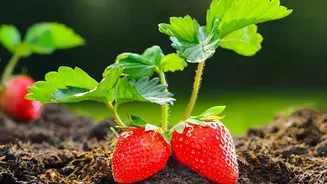
For generations, the image of strawberry farming in India has been tied to the misty slopes of Mahabaleshwar, where over 85% of the country's strawberries are grown. This region's unique climate and iron-rich red soil have been the cornerstones of its
success since the British first introduced the fruit. However, a new-age farmer is emerging, one who relies less on tradition and more on technology. Facing challenges like water scarcity and climate unpredictability, growers are embracing a smarter, more scientific approach to cultivation. This modern method forms an integrated system where soilless media, precision irrigation, and data analytics work together to create the perfect growing environment, often with results that surpass traditional farming.
The Foundation: Soilless Farming with Coco Peat
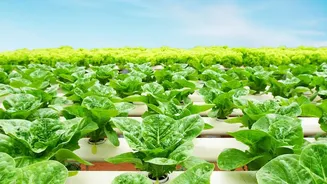
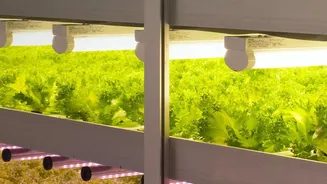
The first major shift is moving away from the soil itself. Many advanced farms are now growing strawberries in coco peat, a versatile medium made from the husk of coconuts. Once considered agricultural waste, coco peat has become a prized resource. Its spongy, uniform texture holds water exceptionally well—up to eight times its own weight—while still allowing for excellent aeration. This is critical for strawberries, which have shallow roots and are susceptible to root diseases from waterlogging. Using coco peat in grow bags or vertical towers provides a sterile, disease-free environment, giving farmers greater control over nutrients and eliminating soil-borne pathogens. This soilless method not only boosts plant health but also allows for much higher planting density, with some vertical farms multiplying their output by five times on the same plot of land.
Precision Hydration: The Power of Drip Systems
The second pillar of this revolution is the drip irrigation system. Instead of flooding fields or using sprinklers, which can waste up to 60% of water through evaporation and runoff, drip systems deliver water directly to the base of each plant. This precision is a game-changer. For a water-sensitive crop like strawberries, it prevents the foliage from getting wet, drastically reducing the risk of fungal diseases like powdery mildew. More importantly, in a country grappling with water scarcity, drip irrigation offers immense savings, using 40-70% less water than conventional methods. This efficiency also extends to fertilisers. Through a process called 'fertigation', nutrients can be mixed into the water and delivered precisely to the root zone, reducing waste and cost while ensuring the plant gets exactly what it needs to produce plump, juicy berries.
Farming with Data: The Role of Weather Tech
The intelligence that ties this system together comes from the sky—or rather, from the data that interprets it. Farmers are now using hyperlocal weather data and AI-powered systems to make informed decisions. This goes far beyond a simple rain forecast. Specialised towers and sensors on farms monitor temperature, humidity, and wind conditions in real-time. This data helps farmers anticipate pest outbreaks, manage irrigation schedules with pinpoint accuracy, and decide the optimal time to spray crops, preventing expensive chemicals from being washed away by an unexpected shower. Initiatives like the government's Weather Information Network Data System (WINDS) aim to make this technology more accessible, providing actionable insights that help minimise risk and maximise yield. For farmers, it turns a high-stakes gamble against the climate into a calculated, data-driven business.
The Sweet Taste of Success
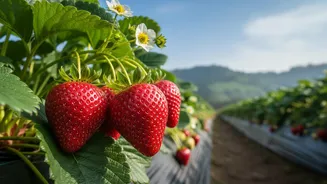
The adoption of coco peat, drip systems, and weather data is more than just a technological upgrade; it's a new business model for Indian agriculture. Farmers who invest in these systems report higher yields, better fruit quality, and extended harvesting seasons, sometimes for up to nine months a year. The controlled environment leads to more consistent, marketable berries that fetch a premium price. Furthermore, these practices are inherently more sustainable. They conserve water, reduce fertiliser runoff, and turn industrial by-products like coconut husks into a valuable resource. While the initial investment can be significant, the long-term returns in profitability and resilience are proving to be a powerful incentive for farmers across the country.