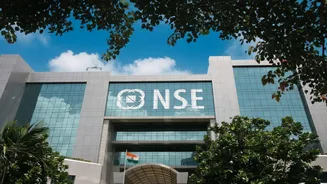










The IPO Finally in Sight
The much-awaited market debut of the National Stock Exchange is gathering serious momentum, with multiple reports indicating a September 2026 launch window. People familiar with the matter suggest the exchange is preparing to launch investor roadshows
across the globe as early as next week. The public issue is estimated to be around ₹30,000 crore, which would value the country's largest stock exchange at over ₹5 lakh crore. If successful, this could become India's largest IPO, surpassing the record set by Hyundai Motor India's offering in 2024. The entire issue will be an Offer for Sale (OFS), where existing shareholders will sell a portion of their stake.
A Seven-Year Itch: The Long Road to Listing
The journey for this IPO has been a marathon, not a sprint. The NSE first filed draft papers for a public listing way back in 2016. However, the proposal was put on hold by the Securities and Exchange Board of India (SEBI) due to serious concerns over governance and a controversy known as the co-location case. The case involved allegations that certain high-frequency traders were given preferential access to market data, allowing them an unfair advantage. This led to a multi-year saga of investigations, penalties, and legal battles that stretched from regulatory tribunals all the way to the Supreme Court.
Clearing the Regulatory Gauntlet
Before the IPO could move forward, the NSE had to undertake a massive clean-up operation to satisfy the regulator. This involved a complete overhaul of its governance structures, settling legacy legal issues, and restoring regulatory confidence. A major breakthrough came in January 2026 when SEBI granted the exchange a no-objection certificate, a crucial green light for the listing process. The NSE's board officially approved the IPO proposal on February 6. While some legal matters are still in their final stages of resolution, the primary regulatory roadblocks that held up the listing for years appear to have been cleared, paving the way for the exchange to finally approach the public market.
What's in It for Investors?
The IPO will be structured entirely as an Offer for Sale, meaning the exchange itself is not raising new capital. Instead, it provides an opportunity for some of its existing 1.8 lakh shareholders to sell a portion of their holdings. Major institutions like the State Bank of India, Canada Pension Plan Investment Board, and several insurance companies are expected to be among the sellers. However, the NSE's largest shareholder, Life Insurance Corporation of India (LIC), will not be selling its stake. For retail investors, the IPO presents a unique chance to own a piece of the foundational infrastructure of the Indian economy. The listing will bring greater transparency to the exchange's operations and finances, offering a new benchmark for the financial infrastructure sector.
The Final Steps Before the Bell
With the draft prospectus filed in June and investor roadshows set to begin, the final pieces are falling into place. The exchange has appointed a large syndicate of around 20 investment banks to manage the massive offering. The price of the shares will be determined through a book-building process, which gauges demand from institutional investors. Once SEBI gives its final approval on the prospectus and the pricing is decided, the IPO will open for subscription. Given Indian regulations that prevent exchanges from listing on their own platforms, the NSE's shares will likely be listed and traded on its rival, the BSE. This sets up a unique dynamic where the country's two largest exchanges become cross-listed competitors.