







Why Bone Nutrition Is So Important
Bone health is something many of us take for granted until later in life. Our bones are living tissue, constantly breaking down and rebuilding. To stay strong, they require a steady supply of specific nutrients. While calcium is the most famous, it doesn't
work alone. Strong bones depend on a team of minerals and proteins working together. As we age, maintaining bone density becomes crucial to reduce the risk of fractures and conditions like osteoporosis. A diet rich in bone-supporting nutrients is one of the most effective ways to invest in your long-term mobility and strength.
Amaranth: A Powerhouse of Bone-Building Minerals
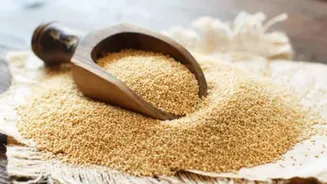
This is where amaranth shines. It is exceptionally rich in several key nutrients for bone health. A single cup of cooked amaranth provides a significant amount of calcium, the primary building block of our skeleton. But its benefits go much further. It is also an excellent source of magnesium and phosphorus. Magnesium plays a crucial role by helping the body absorb and utilize calcium effectively. Phosphorus is another major mineral component that gives bones their rigid structure. Furthermore, amaranth is packed with manganese, a mineral essential for the processes of bone formation and repair.
More Than Just Minerals: The Role of Protein
Often overlooked in conversations about bone health is the importance of protein. The protein in amaranth is considered 'complete' because it contains all nine essential amino acids, including lysine, which is often lacking in other grains. Lysine is particularly important as it aids in calcium absorption and helps build collagen, the protein matrix that provides bones with their flexible framework. Having adequate protein is essential for creating the structure upon which minerals are deposited. This makes amaranth a uniquely well-rounded food for skeletal support.
Starting Your Day with Amaranth
Incorporating amaranth into your breakfast routine is simple and delicious. The most popular way to enjoy it is as a creamy porridge. Its nutty, earthy flavour pairs well with both sweet and savoury toppings. To make a basic porridge, simmer one part amaranth with two to three parts water or milk for about 20-25 minutes until the liquid is absorbed and the grains are tender. From there, the possibilities are endless. Stir in cinnamon, cardamom, and a touch of maple syrup for a warm and comforting bowl. Top it with fresh fruits like berries, sliced pears, nuts, and seeds for added fibre, vitamins, and healthy fats. For an extra protein boost, add a scoop of Greek yogurt or a spoonful of nut butter.
Other Easy Breakfast Ideas
Amaranth's versatility extends beyond porridge. You can find puffed amaranth, which makes a fantastic crunchy topping for yogurt, smoothies, or even toast with nut butter. You can also mix cooked amaranth into pancake batter or combine it with chia seeds for an overnight breakfast jar that’s ready to go when you wake up. Because it's naturally gluten-free, it is an excellent option for those with dietary sensitivities who are looking for nutritious grain alternatives. Its ability to keep you feeling full and satisfied, thanks to its combination of protein and fibre, helps prevent mid-morning snack attacks and provides steady energy for the day ahead.