

More Than Just Stacking Rocks
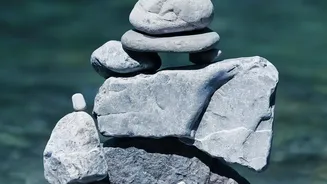
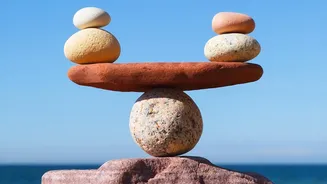
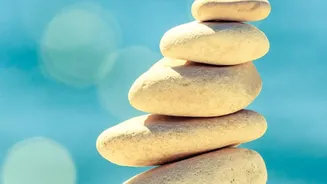
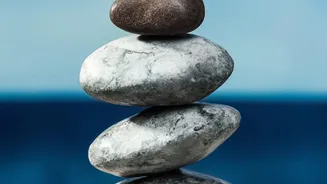
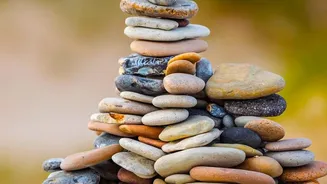
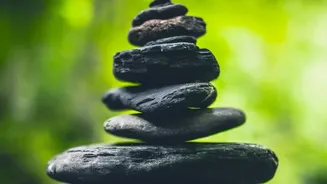
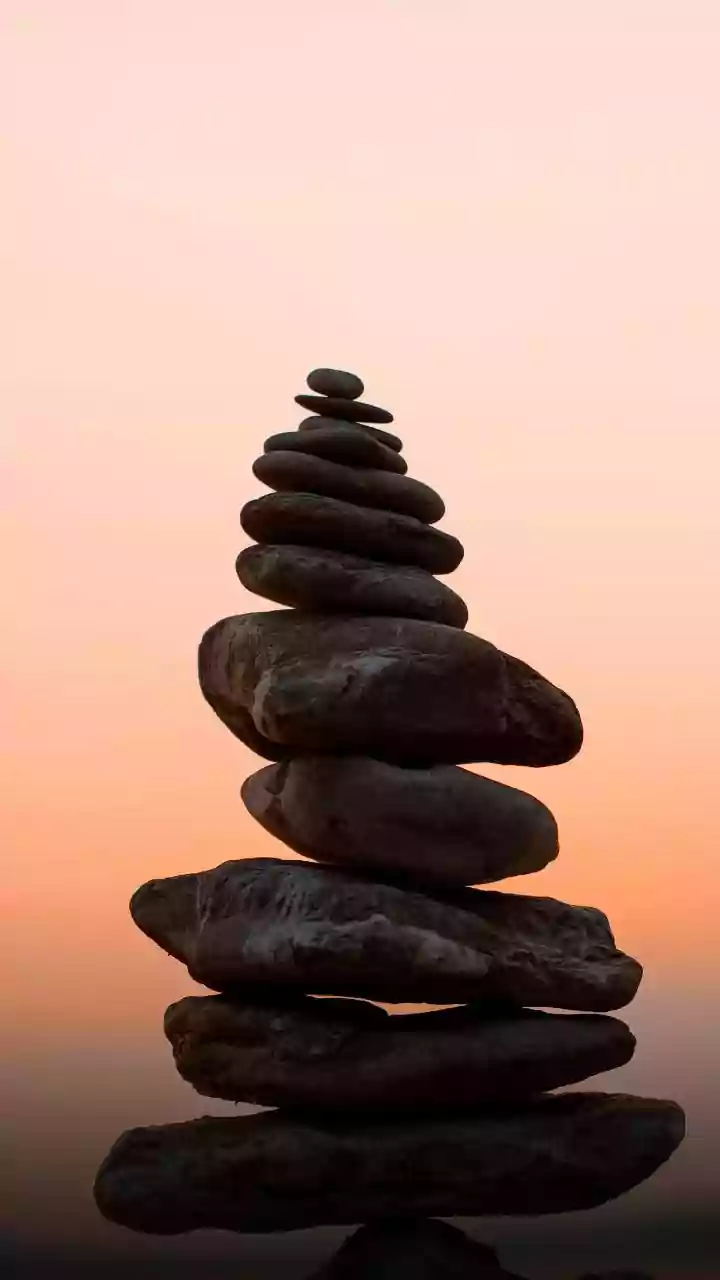
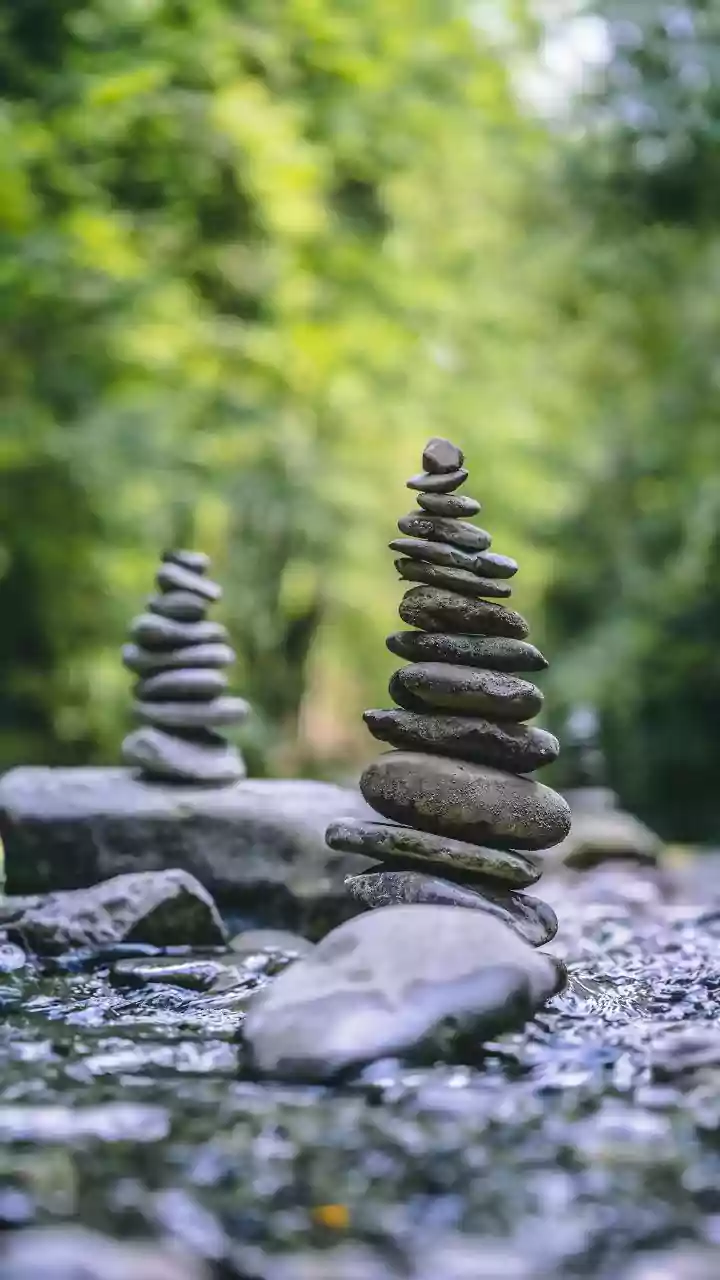
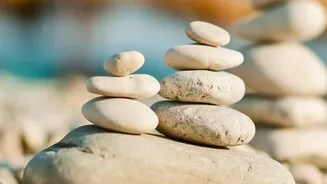
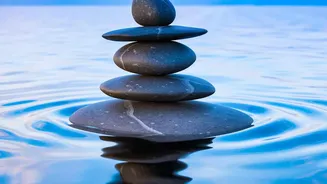
At its core, stone balancing is an ancient practice that involves stacking rocks in various positions without the use of any adhesives or supports. It is an act of finding a natural point of equilibrium. Practitioners describe the process as a meditative
one, where the outside world fades away, and the only thing that matters is the connection between the stones, your hands, and the force of gravity. This isn't about creating permanent monuments; in fact, many artists dismantle their creations before they leave. The value is found in the process itself—a quiet dialogue with nature that demands complete presence.
The Art of Slowing Down
Patience is not just a virtue in stone balancing; it is a fundamental requirement. Each stone has its own unique shape and centre of gravity. Finding the precise point where two stones will lock in a stable balance can take minutes, or even hours, of minute adjustments. This process is a powerful antidote to the modern world's demand for instant gratification. There are no shortcuts. Any attempt to rush or force a connection will inevitably result in the structure tumbling down. This teaches a valuable lesson in perseverance and accepting failure not as an end, but as part of the journey. When a tower falls, you simply begin again, armed with new understanding.
A Workout for Your Mind and Focus
To balance a rock, your mind must become exceptionally quiet and focused. The activity demands intense concentration, forcing you to block out distractions and pay close attention to the subtle feedback from your fingertips. This state of single-pointed awareness is often compared to a deep meditative state. Regular practice can enhance your ability to concentrate in other areas of life, from work tasks to daily chores. It becomes a form of mindfulness training, teaching you to be fully present in the moment and aware of your thoughts and physical sensations without judgment. Some practitioners have even found it helps manage conditions like Attention Deficit Disorder (ADD) by training the mind to slow down and focus.
Finding Your Physical Centre
Beyond the mental benefits, stone balancing is also an excellent activity for improving physical coordination. The delicate act of placing a rock requires precise hand-eye coordination and develops fine motor skills. You learn to make tiny, controlled movements, feeling for the almost imperceptible clicks as the contact points of the stones align. Your body must remain still and centered to avoid sending vibrations through your arms that could topple the stack. This builds a greater awareness of your own body in space, enhancing your overall dexterity and sense of physical balance.
How to Begin Your Practice
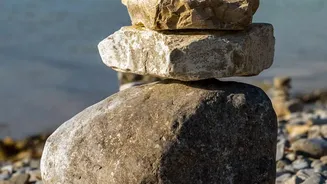
The beauty of stone balancing lies in its accessibility; all you need are stones and a willingness to try. Start simply. Find a stable base rock and try to balance just one other rock on top of it. Don't aim for a tall, complex tower right away, as that can lead to frustration. Instead, focus on the feeling. Use your fingers to feel for the small indentations and points of contact that create a tripod-like base for stability. Feel the direction the rock wants to fall and gently adjust against it. The goal is not to create a masterpiece on your first try, but to enjoy the quiet, focused process of finding that moment of perfect stillness.