








An Ambitious Blueprint for Power
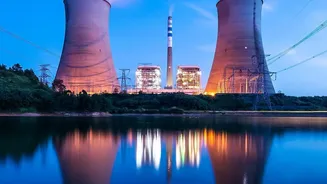
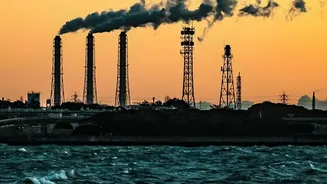
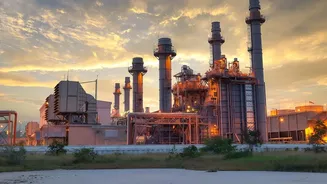
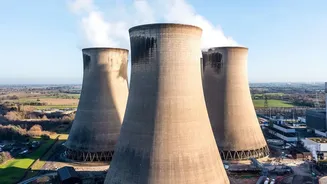
To meet soaring energy demand, India has laid out an ambitious roadmap to increase its electricity generation. Coal, which already accounts for about three-fourths of the country's electricity, remains a cornerstone of this strategy. Projections from
government bodies suggest that demand for coal will continue to rise significantly in the coming years. In response, the country has a massive pipeline of new coal-fired power projects. This push is seen as essential for ensuring energy security and powering economic growth, from electrifying rural areas to supporting a burgeoning manufacturing sector.
The Mining Bottleneck
While power plants can be planned on paper, opening a coal mine is a far more complex and time-consuming reality. A significant number of auctioned coal blocks are failing to become operational within their scheduled timelines. Since 2015, over 200 coal blocks have been auctioned or allotted, but only a fraction are actively producing coal. The delays stem from a host of deeply entrenched issues, including major hurdles in land acquisition, lengthy processes for securing environmental and forest clearances, and other regulatory bottlenecks. In some cases, companies that won bids have even surrendered the blocks, citing financial unviability or technical challenges, further complicating the supply picture.
The Consequence: An Import Dependency
When domestic coal production fails to keep pace with the demand from power plants, the inevitable result is a greater reliance on imported coal. While India has made efforts to boost domestic output and has seen some success in reducing thermal coal imports for blending, the overall gap remains. This is particularly true for higher-grade and coking coal, which is crucial for the steel industry and where domestic reserves are limited. This dependence on foreign coal exposes India to volatile international prices and geopolitical supply chain risks, which can impact everything from electricity tariffs for consumers to the financial health of power generation companies.
Efforts to Bridge the Gap
The government is not blind to this mismatch. There is a concerted effort to fast-track the operationalisation of mines. This includes establishing monitoring units to track the progress of auctioned blocks and handhold bidders through the complex clearance processes. There are also discussions around imposing penalties for delays and tightening auction rules to ensure that only serious and capable firms participate. Furthermore, significant investment is being directed towards improving coal logistics, such as expanding railway networks to ensure that the coal that is mined can be transported efficiently to the power plants that need it.
The Bigger Picture: Energy Security and Transition
This gap between coal power planning and mine operationalisation highlights a fundamental tension in India's energy strategy. On one hand, the country needs a reliable baseload power source to meet immediate and growing demand, a role that coal currently fills. On the other, this heavy reliance on a fuel source with such significant logistical and environmental challenges raises questions about long-term energy security. The situation also inadvertently strengthens the argument for accelerating the adoption of renewable energy. While solar and wind power are growing rapidly, they present their own challenges, such as providing power after sunset, which still often requires coal plants to ramp up their output to meet evening demand.