

Why Your Fruit Smoothie Isn't Filling
Many common smoothies, especially those heavy on fruit and juice, deliver a quick burst of energy from natural sugars. While delicious, this can lead to a rapid spike in blood sugar followed by a crash, which triggers hunger soon after. Often, what's
missing is a balanced mix of macronutrients: carbohydrates, protein, and fat. Without sufficient protein and fat to slow down digestion, your body burns through the fruit sugars quickly, leaving your stomach rumbling. A well-built smoothie should provide sustained energy, not just a temporary lift.
The Power of Protein
Adding protein is the most effective way to give your smoothie more substance and staying power. Protein is more complex for your body to digest than carbohydrates, meaning it helps you feel full for much longer. It stabilizes blood sugar, preventing the energy crash that leads to snacking. Furthermore, protein is essential for building and repairing muscle tissue, making a protein-boosted smoothie an excellent choice after a workout or as a meal replacement to start your day. Aiming for 15-25 grams of protein can turn a light drink into a complete meal.
Smart Protein Add-Ins
You don't necessarily need a fancy powder to boost your smoothie's protein content. Many whole foods work perfectly. Greek yogurt or Icelandic skyr are excellent choices, offering creaminess and a significant protein punch. A scoop of cottage cheese blends in surprisingly well, adding a smooth texture and plenty of protein. For plant-based options, silken tofu is nearly flavorless and adds a silky consistency. Seeds are another powerful option; hemp seeds, chia seeds, and flax seeds all provide a solid dose of protein along with other nutrients. And of course, a quality protein powder—whether whey or plant-based like pea protein—is a convenient and effective option.
The Role of Healthy Fats
Healthy fats are the other key to a smoothie that truly satisfies. Fats slow down gastric emptying, meaning the smoothie stays in your stomach longer, promoting a lasting feeling of fullness. They also add richness and a creamy texture that makes your smoothie feel more like a decadent treat. Beyond satiety, healthy fats are crucial for brain health and help your body absorb fat-soluble vitamins (A, D, E, and K) from the fruits and vegetables in your blend. Including a source of healthy fat ensures your body can unlock all the nutritional benefits your smoothie has to offer.
Great Sources of Healthy Fats
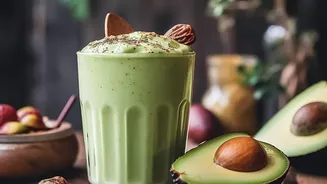
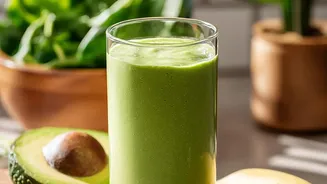
Incorporating healthy fats is simple and delicious. One of the most popular additions is half an avocado, which makes a smoothie incredibly creamy without a strong taste. A tablespoon or two of nut butter, like almond or peanut butter, adds flavour, protein, and healthy fats. Seeds are double-duty heroes, providing both protein and fats. Chia seeds, ground flaxseeds, and hemp seeds are all excellent choices that also contribute fibre. A handful of nuts like almonds or walnuts also works well. For a single-serving smoothie, one to two tablespoons of a healthy fat source is a good starting point.
Building Your Balanced Smoothie
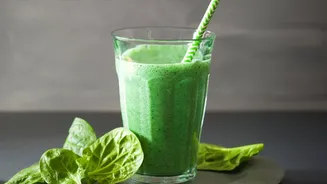
To create the perfect substantial smoothie, think in terms of a simple formula: Liquid + Fruit/Vegetables + Protein + Healthy Fat. Start with a liquid base like water or unsweetened milk. Add about a cup of fruits and vegetables—berries and spinach are popular choices. Then, add your protein source, like a scoop of Greek yogurt or protein powder. Finish with your healthy fat, such as a tablespoon of almond butter or some chia seeds. This balanced approach ensures you're getting a mix of nutrients that will provide steady energy and keep you satisfied for hours.