


The Quest for a Harmonious Bedroom
In our fast-paced lives, the bedroom is more than just a place to sleep; it’s a personal retreat for rest and rejuvenation. Many are turning to indoor plants to enhance this space, seeking both aesthetic beauty and a sense of wellness. This is where two
powerful philosophies meet: Vastu Shastra, the ancient Indian science of architecture that aims to harmonize energy, and horticulture, the practical art of growing healthy plants. While one focuses on the flow of 'prana' or life force energy, the other is grounded in the tangible needs of a living organism. The goal isn't to pit them against each other, but to integrate their principles for a bedroom that is not only energetically balanced but also a thriving green haven.
Understanding Vastu's Green Rules for Bedrooms
Vastu Shastra offers specific guidelines for incorporating plants into your home to attract positivity and prosperity. For the bedroom, a space of rest, the rules are particularly important. Vastu generally recommends plants with soft, rounded leaves and a calming presence. Thorny plants like cacti are typically advised against for indoor spaces, as their sharp energy is believed to cause friction and disrupt peaceful sleep. The number of plants also matters; Vastu suggests keeping just a few healthy plants rather than creating a cluttered jungle, which can stagnate energy. Directional placement is key: plants in the north, east, or northeast are said to bring positive energy, while the southeast corner is often linked with wealth and prosperity.
The Non-Negotiables of Horticulture
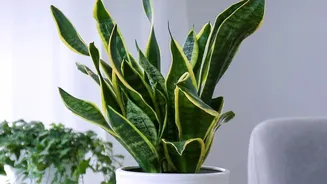
A plant placed in the perfect Vastu direction will not thrive if its basic needs aren't met. This is where practical horticulture comes in. Every plant, regardless of its energetic properties, requires a specific amount of light, water, and the right soil to flourish. Before placing a plant, observe your room's natural light. Does a corner get bright, indirect light or is it mostly in shade? Plants like the Snake Plant can tolerate low light, making them versatile, while others need a spot near a window. Overwatering is a common mistake, so it's crucial to use pots with drainage holes and allow the soil to dry out between waterings. Keeping leaves dust-free also ensures the plant can breathe and effectively purify the air. A healthy, vibrant plant radiates positive energy, whereas a dying one, according to Vastu, can attract negativity.
Best of Both Worlds: Plants That Fit the Bill
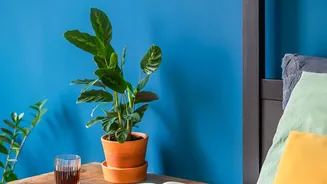
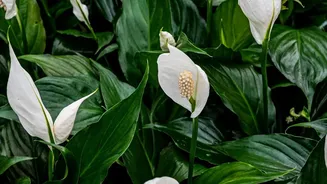
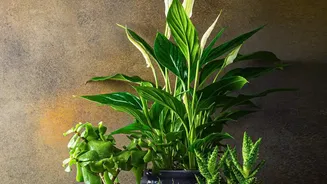
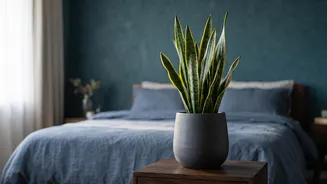
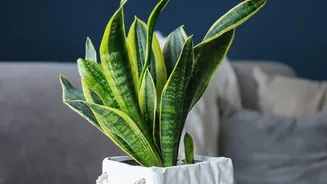
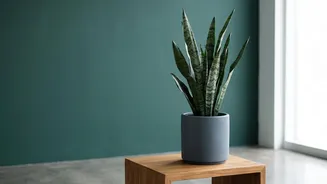
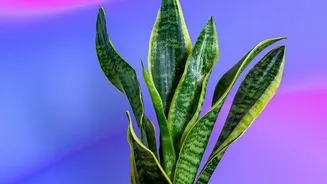
Several popular houseplants are celebrated by both Vastu experts and horticulturalists, making them perfect for the bedroom. The Snake Plant is a top contender; Vastu reveres it as a beacon of positive energy, and science confirms it's an excellent air purifier that releases oxygen at night. It's also incredibly low-maintenance and tolerates low light, making it horticulturally forgiving. The Peace Lily is another excellent choice, symbolizing peace and harmony in Vastu, while being known for its air-purifying qualities. It prefers indirect light and consistently moist soil. The Money Plant, believed to attract wealth, is also a Vastu favourite. It's an easy-to-care-for creeper that thrives in indirect light. Vastu suggests placing it in the southeast corner but away from the direct headrest or footrest of the bed. Similarly, Lucky Bamboo is recommended for the southeast corner to usher in good fortune and requires minimal care.
A Smart Approach to Placement
So, how do you combine these principles? Start with the horticultural needs. Identify the spots in your bedroom that offer the right light conditions for the plant you desire. If a sunny windowsill is in the Vastu-approved southeast direction, it’s an ideal spot for a Money Plant. If you have a low-light corner in the south or west, it could be a perfect home for a Snake Plant, which is horticulturally adaptable and considered a protective plant in Vastu when placed in these directions. The Peace Lily thrives near a window and Vastu recommends placing it there to promote peaceful sleep. By prioritising the plant's health first, you ensure it can then effectively contribute to the positive energy that Vastu aims to cultivate.