




Meet the African Jasmine
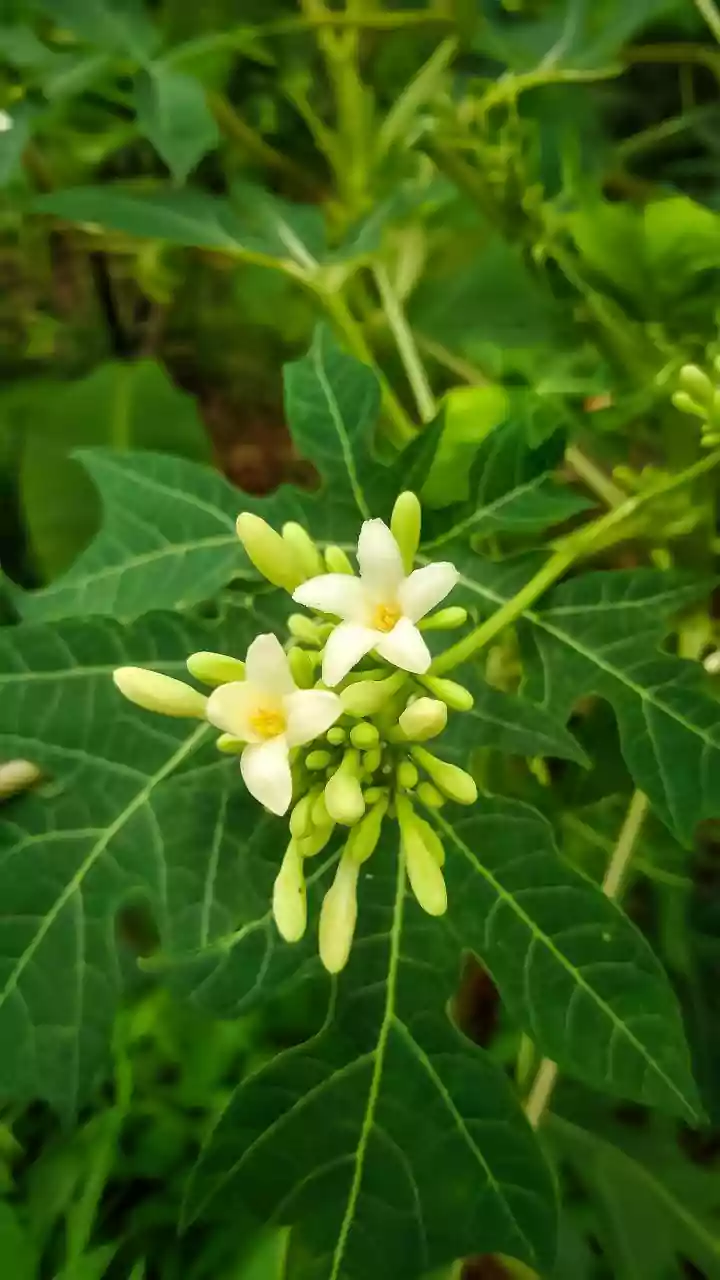
Known botanically as Jasminum multipartitum, the African Jasmine—also called Starry Wild Jasmine—is a species native to Southern Africa. It's a true jasmine, belonging to the olive family, Oleaceae. This evergreen plant can be grown as a sprawling shrub
or trained as a climber, making it highly adaptable for various garden designs. Its most defining features are its glossy, dark green leaves that provide a lush backdrop for the main event: stunningly beautiful, star-like white flowers that often emerge from deep pink buds. The plant's combination of visual beauty and hardiness makes it a compelling choice for both novice and experienced gardeners.
An Intoxicating Natural Perfume
Perhaps the most celebrated attribute of African Jasmine is its powerful and delightful fragrance. The sweet scent is most potent in the evening, earning some jasmine varieties the nickname 'Queen of the Night'. This quality makes it a perfect plant for patios, entranceways, and outdoor seating areas where its perfume can be enjoyed on warm evenings. The fragrance is widely used in aromatherapy for its calming and stress-relieving properties, believed to reduce anxiety and promote better sleep. You can even bring the scent indoors; sprigs cut for a vase will continue to open and release their perfume throughout your home.
A Versatile Ornamental Plant
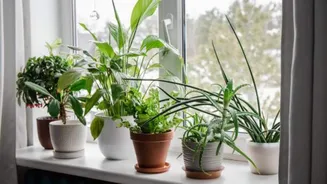
The appeal of African Jasmine extends to its incredible versatility in landscaping. As a vigorous climber, it can be trained to cover trellises, fences, and archways, creating a living wall of green foliage and white blooms. If left to its own devices without support, it will grow into a dense, mounding shrub that can serve as an attractive ground cover. It also thrives in containers, making it suitable for balconies, decks, and even indoors if given enough light. This adaptability allows plant enthusiasts to incorporate its beauty and fragrance into almost any space, regardless of size.
Low-Maintenance Appeal
For all its delicate beauty, the African Jasmine is a surprisingly robust and low-maintenance plant. Once established, it is fairly drought-tolerant. It prefers a position in partial shade but can tolerate full sun, especially if its roots are kept cool. The plant is not overly demanding about soil, as long as it is well-drained. Pruning is generally only needed after its flowering season to maintain shape or control its size. This ease of care is a major draw for plant lovers who want maximum impact for reasonable effort, making it a rewarding addition to any garden.
Traditional and Modern Uses
Beyond its ornamental value, the African Jasmine holds a place in traditional practices. In some cultures, parts of the plant have been used to create herbal teas and fragrant baths. The flowers are sometimes used as edible garnishes for desserts and drinks, lending a subtle floral note. Traditionally, jasmine has also been used as a love charm. While its medicinal uses are less documented than other jasmine species, the plant's essential oils are valued in skincare for their moisturizing and antioxidant properties. Furthermore, the flowers are essential for local ecosystems, attracting pollinators like hawk moths, bees, and butterflies, which in turn attract insect-eating birds.