





Reading The Label: A Buyer's Guide
The first step to a better breakfast is choosing the right spread. When you're at the grocery store, the sheer number of options can be overwhelming. The key is to look for a short ingredient list. Ideally, the healthiest nut butters will contain just
one ingredient: the nut itself, and maybe a pinch of salt. Many popular brands add sugar, palm oil, or hydrogenated oils to improve taste and prevent the natural oils from separating. While these 'no-stir' varieties are convenient, they often contain extra saturated fats or unnecessary sugars. A good rule of thumb is that if the oil has separated and created a layer on top, it's likely a more natural product. Just give it a good stir and it’s ready to use. Aim for spreads with zero added sugar and between six to eight grams of protein per serving.
Going Homemade: A Simple Guide
Making your own nut butter is simpler than you might think and gives you complete control over the ingredients. All you really need are nuts, a pinch of salt, and a food processor or high-powered blender. Start with at least two cups of your chosen nuts, like almonds, cashews, or peanuts. Roasting them for about 10-15 minutes at 180°C beforehand will bring out their flavour and help them release their natural oils, making the blending process easier. Once roasted and slightly cooled, put them in the food processor and blend. The mixture will go through several stages: from a crumbly flour, to a clumpy ball, and finally, into a smooth, creamy butter. This can take anywhere from 5 to 20 minutes, so be patient and scrape down the sides of the processor as needed. Once it's smooth, you can add flavourings like cinnamon or a dash of maple syrup.
Beyond Peanuts: Exploring The Nut Butter Universe
While peanut butter is a classic for a reason, offering around 7 grams of protein per serving, other nut butters bring their own unique flavours and nutritional benefits to the table. Almond butter, for instance, is slightly higher in healthy monounsaturated fats, fibre, and minerals like calcium and vitamin E. Cashew butter is known for its creamy texture and slightly sweet taste, making it a great dairy substitute in some recipes. Walnut butter is a powerhouse of omega-3 fatty acids, which are great for heart and brain health. Don't be afraid to try pecan, hazelnut, or even macadamia nut butters, each with a distinct profile perfect for different breakfast applications.
Breakfast Reimagined: Creative Ideas
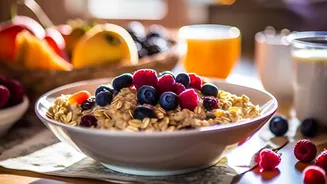
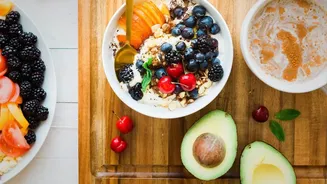
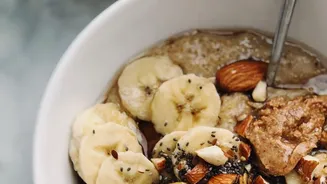
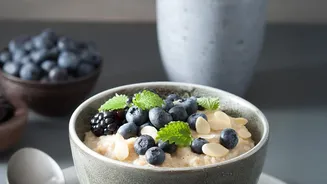
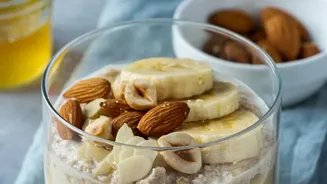
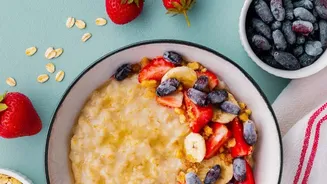
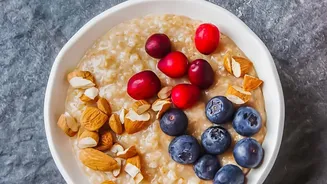
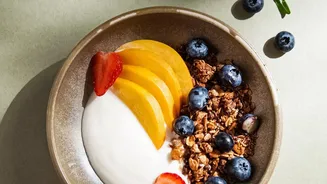
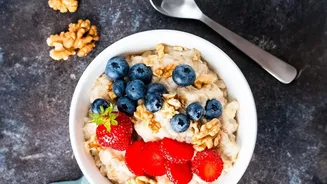
Ready to move beyond toast? Nut butters are incredibly versatile. For a quick and filling breakfast, stir a spoonful into your morning oatmeal or porridge. This adds flavour, protein, and healthy fats to keep you full longer. Another popular option is overnight oats: combine rolled oats, milk or yogurt, chia seeds, and a scoop of nut butter in a jar and refrigerate overnight for a grab-and-go meal. Smoothies are another fantastic vehicle for nut butter. Blend it with a banana, some spinach, and your milk of choice for a creamy, nutrient-dense drink. For a different approach, swirl some nut butter into a bowl of Greek yogurt and top with granola and fresh fruit. You can also spread it on apple slices for a crunchy, satisfying snack that doubles as a light breakfast.