







The Core of the Conflict
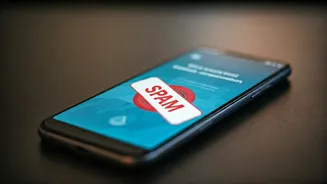
For years, Indian mobile users have relied on third-party apps like Truecaller, Hiya, and Whoscall to identify unknown callers and block spam. However, a new conflict has emerged. The Telecom Regulatory Authority of India (TRAI) claims these apps are
incorrectly flagging legitimate business and government communications as spam. This includes calls from numbers in the 140x and 160x series, which are officially designated for commercial and transactional purposes, such as bank alerts or delivery notifications. According to TRAI, this mislabeling disrupts essential services and causes confusion.
TRAI's 'New Demand' Explained
The 'demand' is a push by TRAI to gain authority under the Information Technology (IT) Act. Currently, apps like Hiya and Whoscall are considered 'intermediaries' under the IT Act and don't fall under TRAI's direct regulatory control, unlike telecom operators such as Jio or Airtel. By seeking powers under the IT Act, TRAI wants to be able to take direct action against these platforms when they violate Indian telecom regulations—specifically, by wrongly blocking verified business numbers. The regulator wants to become an "authorised agency" that can formally notify apps of violations and compel them to comply. This move is reportedly supported by the Ministry of Electronics and Information Technology (MeitY).
The Broader Context: CNAP
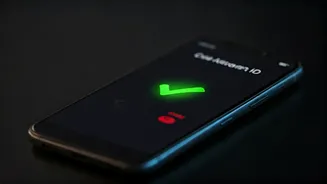
This development is part of a much larger initiative by TRAI to clean up India's telecommunication network. The ultimate goal is the nationwide implementation of Calling Name Presentation (CNAP). Unlike third-party apps that rely on crowdsourced data, CNAP is a network-level feature that will display the caller's name based on their official KYC (Know Your Customer) records submitted when purchasing the SIM card. This government-backed system aims to provide a more reliable and accurate caller ID, fundamentally reducing spam and fraud. The phased rollout of CNAP has already begun, with a wider implementation expected across India.
Why Single Out Hiya and Whoscall?
While Truecaller is the dominant player in India, Hiya and Whoscall are also significant platforms named in TRAI's push for regulatory power. The issue is not with one specific app but with the entire category of call management platforms that use their own logic to identify spam. TRAI argues that if these platforms block officially designated business numbers, it undermines the entire system designed to separate legitimate communication from actual spam. If businesses can't rely on the 140x/160x series, they might revert to using standard 10-digit numbers, which would only increase the spam problem for consumers.
What This Means for Mobile Users
In the short term, not much will change. You can continue using your preferred caller ID app. However, if TRAI's request is granted, you might notice that fewer legitimate service calls are marked as spam. These apps will likely have to adjust their algorithms to ensure they don't block or flag numbers from the government-approved series. In the long term, the rollout of CNAP could make third-party caller ID apps less essential for basic name identification, as your phone would display a KYC-verified name by default. However, features like community-based spam reporting and smart call blocking will likely ensure that apps like Hiya and Whoscall remain relevant for millions of users looking for an extra layer of protection.