




The Simple Science of Texture
The secret to chocolate pudding's dual nature lies in its core ingredients and a little bit of kitchen science. Most modern, stovetop puddings are thickened with a starch, typically cornstarch. When you gently heat the milk, sugar, chocolate, and cornstarch,
a process called gelatinization occurs. The starch granules swell and absorb the liquid, causing the mixture to thicken into that familiar, spoonable consistency. If eggs are used, as in more custard-like versions, their proteins coagulate with heat to add richness and help the mixture set. Temperature is the master variable. When the pudding is warm, the molecules are excited and moving freely, resulting in a looser, more sauce-like texture. As it cools, the starch and protein networks contract and firm up, creating the dense, smooth texture of a chilled dessert.
The Warm Embrace
Served warm, fresh off the stove, chocolate pudding is the ultimate comfort food. Its texture is soft, gooey, and almost molten, releasing a rich, deep chocolate aroma that a cold pudding simply can't match. This version is perfect for chilly evenings or whenever you need a dose of pure, unadulterated coziness. The warmth enhances the perception of sweetness and the complexity of the cocoa. Serving it warm is also a nod to pudding's history, which includes steamed, cake-like desserts popular in the UK and early American baked versions. For an extra decadent experience, try pouring warm pudding over a scoop of vanilla ice cream, creating a delightful contrast of hot and cold. It can also be served simply, letting its rich flavor and comforting heat speak for themselves.
The Cool, Silky Classic
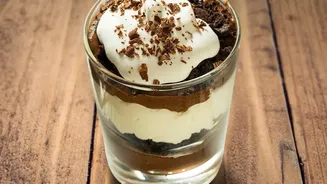
Chilling chocolate pudding transforms it entirely. As it cools in the refrigerator, it becomes firmer, denser, and incredibly smooth. The flavor also subtly changes; the initial blast of chocolate becomes more mellow and nuanced, allowing for a clean, refreshing finish. This is the pudding many of us grew up with, often from a box mix that was a revolutionary convenience when introduced. Chilled pudding is ideal for warmer days or as a light dessert after a heavy meal. To prevent a rubbery 'skin' from forming on top as it cools, press a piece of plastic wrap directly onto the surface of the pudding before refrigerating. It serves as a perfect base for toppings that add texture and brightness, such as a dollop of whipped cream, fresh berries, or a sprinkle of chocolate shavings.
Homemade vs. Instant
While both stovetop and instant pudding mixes offer convenience, making it from scratch provides a noticeably richer flavor and is not much more effort. Homemade recipes allow you to control the quality of the chocolate, the level of sweetness, and the final texture. Stovetop-cooked pudding, whether from a mix or scratch, requires gentle heating and constant stirring to achieve a smooth consistency and prevent lumps. Instant pudding, on the other hand, uses pre-gelatinized starch that thickens with cold milk in minutes, offering speed above all else. While instant is a great, quick option, many find that the flavor and texture of a cooked pudding, which can be served either warm or cold, is far superior.