






Breaking Down the Numbers
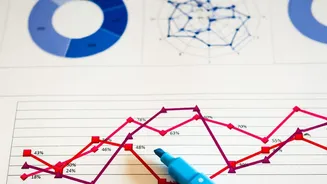
According to the Spring 2026 Global Attitudes Survey by the Pew Research Center, 50% of American adults have an unfavourable opinion of India, while 45% hold a favourable one. This is among the lowest positive ratings for India since Pew began polling
on the question in 2008. The trend shows a steady decline in favourability in recent years, down from 51% in 2023 and 49% in 2025. While the headline figure is striking, it’s part of a broader, more complex global picture. The same survey, conducted across 36 nations, found that India's image is mixed worldwide, with a median of 45% viewing the country favourably and 41% unfavourably.
A Sharp Political Divide
A key factor in the American perception of India is political affiliation. The survey reveals a growing gap between the views of Democrats and Republicans. Currently, Democrats and Democratic-leaning independents are more likely to view India in a positive light, with 50% holding a favourable opinion. In contrast, only 42% of Republicans and Republican-leaners feel the same, with 55% of this group viewing India unfavourably. This gap is even more pronounced when looking at ideology, where 54% of self-described liberals view India favourably, compared to just 40% of conservatives. This suggests that views on India are becoming increasingly intertwined with the polarised domestic politics of the United States.
Generational Gaps in Perception
Age also plays a significant role in how Americans see India. The survey indicates that younger Americans are more likely to have a negative opinion. Among those aged 18 to 29, only 42% view India favourably, while a majority (56%) hold an unfavourable view. This contrasts with older Americans, particularly those aged 65 and over, who are evenly split, with 50% viewing India favourably. The 30-49 age bracket holds the most negative perception, with 54% expressing an unfavourable opinion. This generational trend could have long-term implications for the India-US relationship, as today's youth become tomorrow's leaders and policymakers.
What's Driving the Negative Shift?
While the Pew survey doesn't pinpoint a single cause, analysts point to several potential factors driving the cooling of American public opinion. Recent shifts in US policy, including major changes to the H-1B visa program which heavily impacts Indian professionals, may have contributed to a more negative discourse. Some reporting suggests a surge in anti-Indian sentiment online has also played a role. Broader concerns among some American political circles about the state of democracy and human rights in India are also frequently cited as a reason for the shifting perceptions, particularly among liberal and Democratic-leaning groups. Interestingly, despite the drop in favourability, a majority of Americans (54%) feel India's global influence has remained about the same in recent years.
A Public-Private Disconnect?
The dip in public favourability presents a paradox when compared to the official government-to-government relationship, which is often described by leaders in both Washington and New Delhi as a cornerstone strategic partnership. This contrast highlights a potential disconnect between diplomatic rhetoric and public sentiment. While India enjoys immense goodwill in some countries like Sri Lanka (79% favourable) and the UK (71% favourable), the view from the American public is clearly more divided. The trend is also notably an American one; in the same period, India's favourability ratings have actually increased in European countries like the UK and Germany. This suggests the drivers are specific to the American context rather than a global turn against India.