





What Happens to Your Gut When You Fast?
When you stop eating, your digestive system enters a state of rest. The rhythmic muscle contractions that push food along, known as peristalsis, slow down significantly. Your body also activates a special 'housekeeping' mechanism called the migrating
motor complex (MMC). Roughly every 90-120 minutes during a fast, the MMC sweeps through your stomach and small intestine, clearing out leftover food particles, debris, and excess bacteria. This essential cleaning cycle only happens in a fasted state; the moment you eat, it stops. While this rest is beneficial, it also means your system isn't primed for a sudden, large meal. The gut's ecosystem of bacteria, the microbiome, also shifts as it's deprived of its usual supply of nutrients from food.
The Dangers of Eating Too Quickly
After a period of fasting, your digestive system is extra sensitive. Eating too quickly can overwhelm it, leading to a host of uncomfortable symptoms like bloating, gas, cramps, and constipation. Because the stomach's emptying rate has slowed, even a small meal can feel surprisingly filling. Rushing your food means you're more likely to overeat before your brain gets the signal that you're full, a process that can take up to 20 minutes. This can cause a sharp spike in your blood sugar levels, counteracting some of the metabolic benefits you gained from fasting. In rare cases, after a very prolonged fast (five days or more), reintroducing food too quickly can lead to a serious condition called refeeding syndrome, a dangerous shift in fluids and electrolytes. This is why a slow and gentle approach is always the safest.
The Science of Eating Slowly
Eating slowly is about more than just avoiding discomfort; it's about mindful eating. When you eat mindfully, you use all your senses to experience your food, which helps increase satisfaction and gratitude. The simple act of chewing your food thoroughly is the first step in digestion. It breaks down food into smaller, more manageable pieces and mixes it with saliva, which contains enzymes that begin to break down carbohydrates. The more you chew, the less work your stomach has to do. Taking your time allows your gut to send hormonal signals to your brain, like cholecystokinin (CCK), which indicates fullness. If you eat too fast, you can easily consume more calories than you need before these signals have a chance to register, leaving you feeling stuffed and sluggish. Studies have shown that people who eat slowly tend to consume fewer calories and feel more satisfied with their meals.
Your Gentle Guide to Breaking a Fast
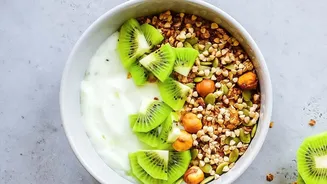
The rule of thumb when breaking any fast is to start 'low and slow'. Begin with small portions of foods that are easy to digest. Think liquids and soft foods first. Bone broth, miso soup, or a light vegetable soup are excellent choices as they help rehydrate you and provide gentle nutrients. Well-cooked vegetables, avocados, eggs, and unsweetened yogurt are also good options for your first meal. It's best to avoid anything that will be hard on your system. Stay away from large, heavy meals and foods that are high in refined sugar, unhealthy fats, excessive fibre, or spice. These can overload your digestion and cause blood sugar swings. Listen to your body's hunger and fullness cues. Eat until you are satisfied, not stuffed, and allow your digestive system to ease back into action gracefully.