





An Optimistic But Cautious Outlook
Every year, the period from Onam to Diwali accounts for a massive chunk of annual vehicle sales, making it a crucial barometer for the industry and the economy. This year, the sentiment is broadly positive. Dealer associations like FADA report that a majority
of their members are optimistic about growth during the September to November period. Early signs during the Onam festival in Kerala were encouraging, with a notable increase in enquiries and sales. Automakers are ramping up production and dispatches to ensure dealerships are well-stocked. However, this optimism is tempered with caution. The industry is up against a high base from last year when GST cuts fueled a surge in demand. This means that even to show modest growth, sales volumes need to be significantly high. As a result, the mood is best described as 'cautiously optimistic'.
The Unstoppable Rise of the SUV
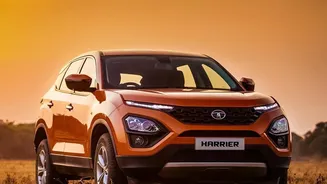
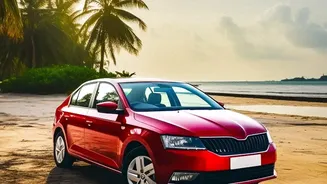
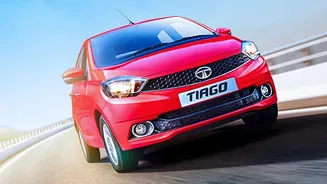
The main story within the passenger vehicle (PV) segment is the continued and accelerating dominance of Sports Utility Vehicles (SUVs). Well over two-thirds of all passenger vehicles sold in India now fall into the utility vehicle category. This is not just a festive trend but a fundamental market shift. Models like the Tata Punch have even topped the charts as the country's best-selling car in recent months, a feat once unimaginable for a utility vehicle. This demand is driven by a consumer preference for road presence, higher ground clearance, and feature-packed cabins. The growth in this segment is so strong that it is compensating for lagging demand in the small, entry-level hatchback segment. While manufacturers like Maruti Suzuki, Tata Motors, and Mahindra are benefiting immensely, the overall market's health looks lopsided, with one segment doing all the heavy lifting.
A Shift in Fuel Choices
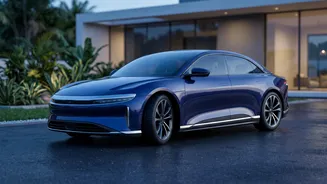
Another significant trend reshaping the market is the changing preference in powertrains. For the first time in August 2026, vehicles powered by alternative fuels—including CNG, hybrids, and EVs—collectively outsold petrol-only cars. CNG vehicles now account for over a quarter of passenger vehicle sales, driven by lower running costs. Hybrids have also emerged as a popular middle-ground, offering better fuel efficiency without the range anxiety associated with pure EVs. This shift is partly driven by consumer choice and partly by manufacturer strategy, as companies roll out more CNG and hybrid variants of their popular models to cater to this growing demand. While the EV transition continues, these other alternative fuels are currently playing a much bigger role in the market's evolution.
The Two-Wheeler Market's Mixed Signals
The two-wheeler segment, often seen as an indicator of rural and semi-urban economic health, presents a more complex picture. While overall sales figures for August showed strong year-on-year growth, this was again influenced by a lower base from the previous year. Companies like TVS, Hero MotoCorp, and Honda have reported healthy dispatch numbers ahead of the festive season. However, the real test will be converting these wholesale figures into retail sales. There are concerns that a below-normal monsoon could impact rural incomes and, consequently, demand for motorcycles and scooters. While urban demand for premium bikes and scooters remains robust, the entry-level commuter segment is the one to watch closely, as its performance will reveal the true strength of the grassroots economy.
The Real Story: Not a Boom, But a Reshuffle
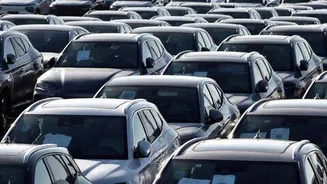
So, is the festive season delivering a sales bonanza? The answer is not a simple yes or no. We are not witnessing a uniform, market-wide boom. Instead, we are seeing a significant reshuffle. Demand is strong but highly concentrated in specific segments like SUVs and alternative fuel vehicles. Rural demand for passenger vehicles has shown resilience, even outpacing urban growth in recent months, which is a positive sign. However, challenges remain. High inventory levels at dealerships (around 38-40 days for PVs) are a concern for FADA, which suggests production is running ahead of immediate retail demand. Furthermore, stable but still-high interest rates and potential input cost pressures could play spoilsport.