


The Allure of the Slow Walk
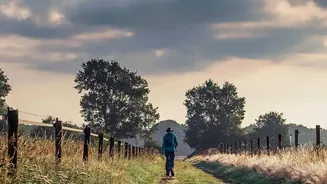
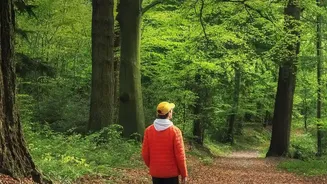
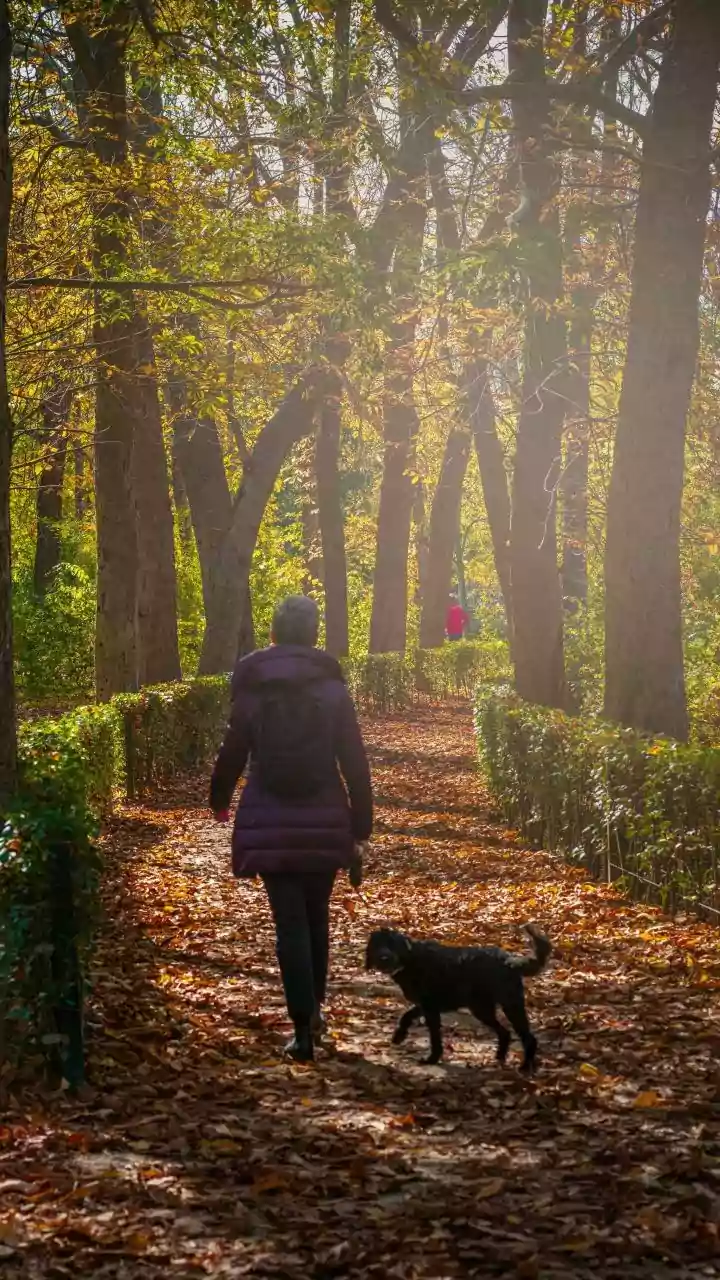
The practice of walking meditation has deep roots, famously taught by spiritual leaders like Thich Nhat Hanh. The instruction is often to walk at a pace so deliberate that you can pay full attention to every part of the motion: the lifting of a foot,
the feeling of the sole meeting the ground, and the subtle shift in balance. The purpose of this slowness is simple but profound. It acts as a pattern interrupt for our busy minds. We spend most of our lives walking on autopilot, our minds consumed with to-do lists, worries, or daydreams. By intentionally slowing down, we are forced out of this mental chatter and into the physical reality of the present moment. It creates a space where stress and anxious energy have a harder time thriving. This methodical pace helps anchor our awareness in bodily sensations, which is a foundational technique in many mindfulness practices.
The Goal Isn’t Slowness, It’s Awareness
While walking slowly is an effective technique, it's important to understand that slowness itself is not the ultimate goal. The true objective is mindfulness—a state of non-judgmental awareness of the present moment. As mindfulness pioneer Jon Kabat-Zinn defines it, it is about paying attention on purpose. Slowing down is merely a tool to help us achieve that state more easily. It simplifies the input our brain has to process, allowing us to tune into sensory details we would otherwise miss. The real work is happening in our attention, not in our feet. The principles of mindfulness, such as non-judging, patience, and acceptance, can be applied to any activity. Therefore, the true benefit comes not from the speed of your walk, but from the quality of your attention during it. The walk is just the medium for the practice.
When a Slow Stroll Isn't Practical
Let’s be realistic. A leisurely, snail-paced walk is a luxury many of us cannot afford in our daily lives. Imagine trying to practice a slow, meditative walk while navigating a crowded Mumbai street, rushing to a meeting, or trying to get some exercise during a short lunch break. For many, the pressure to walk slowly can feel like another chore, adding stress rather than reducing it. It might not be feasible for those with mobility issues or those who use walking as their primary form of brisk cardiovascular exercise. Insisting on one specific method can make mindfulness feel inaccessible and rigid, which is the opposite of its intention. The good news is that the practice is flexible enough to meet you where you are, even if that’s in the fast lane.
Mindfulness in Fifth Gear
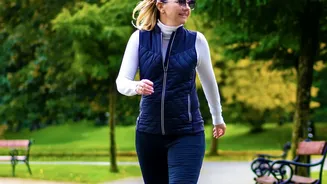
You can absolutely practice mindfulness while walking at a normal, or even brisk, pace. The key is to shift your focus. Instead of concentrating on the granular details of each footfall, you can anchor your awareness to other rhythmic sensations. Try focusing on the steady rhythm of your breath as you move. Or, you can tune into the cadence of your footsteps on the pavement, noticing the tempo without needing to change it. Another approach is to practice open awareness. Instead of focusing inward, turn your attention to the world around you without judgment. Notice the colour of the leaves, the sounds of traffic, the feeling of the air on your skin. When your mind inevitably wanders, gently guide your attention back to your chosen anchor—your breath, your steps, or your surroundings. The pace is irrelevant; the intentional return of your focus is the practice.
Beyond the Walk: Other Paths to Presence
Ultimately, mindfulness is not confined to walking. It is a portable skill that can be woven into the fabric of your entire day. Any activity, no matter how mundane, can become a practice in presence. You can be mindful while washing the dishes, feeling the warmth of the water and the texture of the soap. You can savour your morning cup of chai, paying full attention to its aroma, warmth, and taste. The goal is to be 'calmly active and actively calm'. By taking short moments to consciously connect with your senses during everyday tasks, you build the same mental muscle as you would during a formal walking meditation. The key is to let go of the idea that mindfulness requires a special time, place, or pace, and instead embrace the countless opportunities for presence that already exist in your life.