

The Allure of Homemade Sunscreen
In an era of clean beauty, the appeal of making your own sunscreen is obvious. Recipes found on social media often promise all-natural ingredients, lower costs, and freedom from the synthetic chemicals found in many commercial products. For those who
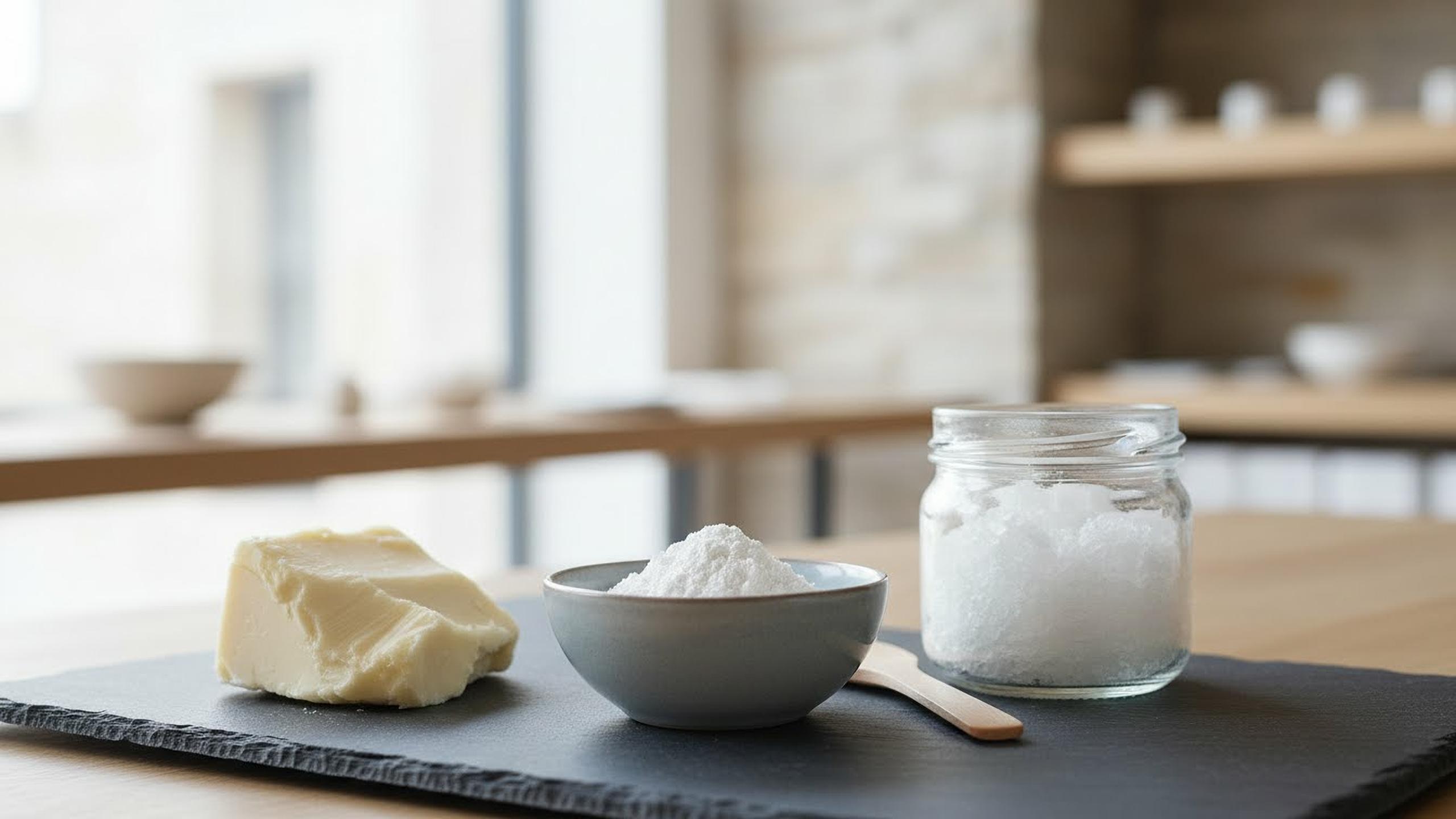
enjoy a DIY project, creating a personalised blend with familiar kitchen staples like coconut oil and essential oils feels empowering. The idea is to take control of what you put on your body, avoiding complex ingredient lists you can’t pronounce. This movement taps into a desire for transparency and simplicity, suggesting that if you can eat an ingredient, it must be safe to put on your skin. However, this assumption is where the logic begins to break down, especially when dealing with something as critical as sun protection.
The Dangerous Uncertainty of DIY
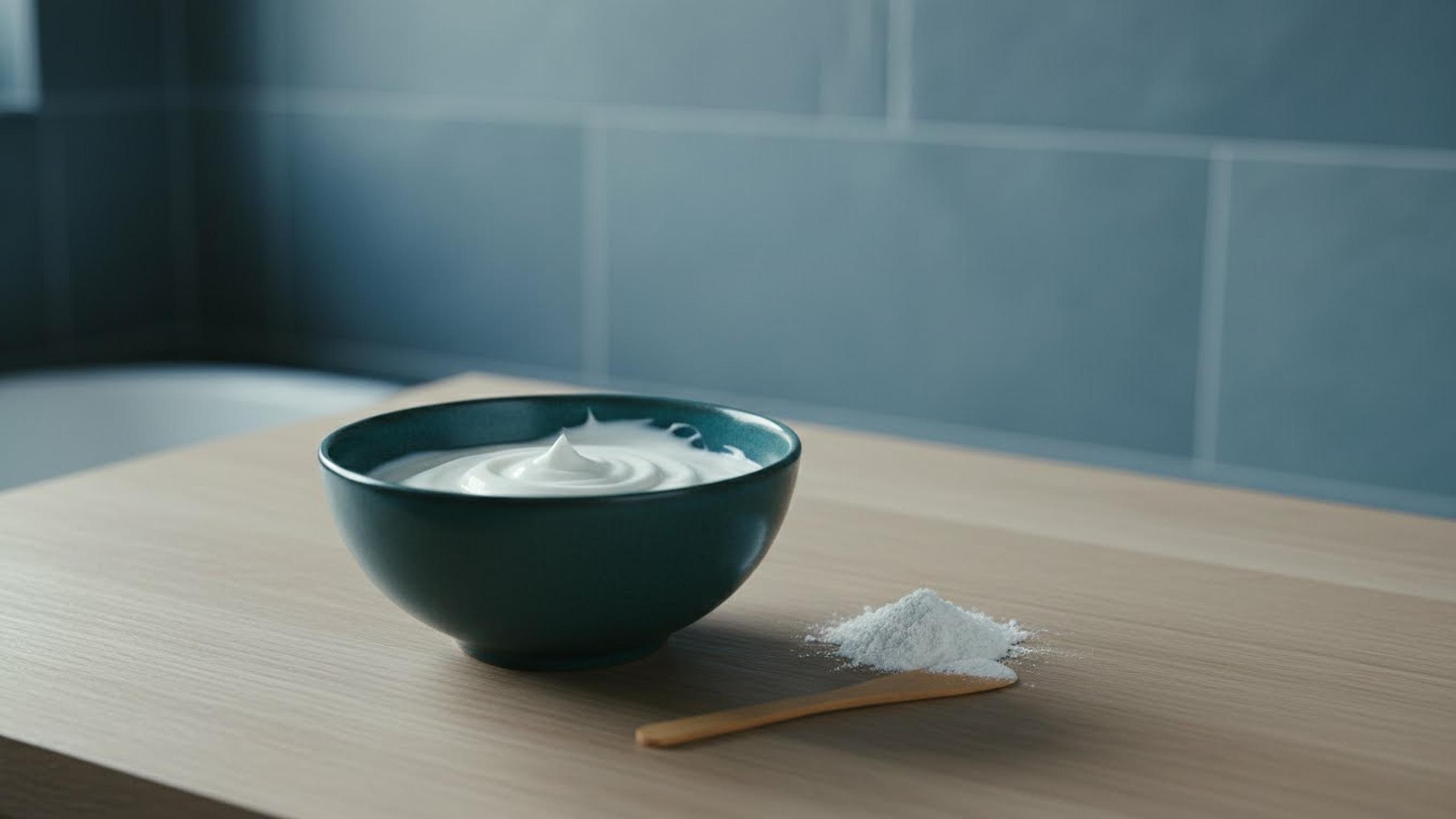
The single biggest problem with homemade sunscreen is the complete lack of certainty about its Sun Protection Factor (SPF). Commercial sunscreens undergo rigorous, regulated testing to prove their SPF claims. A study published in Health Communication found that most online recipes for DIY sunscreen offer insufficient UV protection. Even when recipes include protective ingredients like zinc oxide, there's no way to ensure it's evenly distributed. At-home mixing methods can lead to clumping, leaving large patches of your skin completely exposed to harmful UV radiation without you knowing it. You are essentially playing a guessing game, with sunburn, premature ageing, and an increased risk of skin cancer as the potential consequences.
The Specific Problem for Oily Skin
For individuals with oily or acne-prone skin, the risks of homemade sunscreen are compounded. Many popular DIY recipes use heavy oils and butters like coconut oil or cocoa butter. While celebrated in natural beauty circles, these ingredients are highly comedogenic, meaning they are very likely to clog pores. When you have oily skin, your pores are already producing excess sebum. Adding a thick, homemade oil-based concoction can trap that sebum, along with sweat and bacteria, leading to blackheads, whiteheads, and painful breakouts. In an attempt to go “natural,” you might inadvertently be creating the perfect storm for skin congestion and inflammation, making your skin concerns worse, not better.
The Science of Lab-Verified Sunscreen
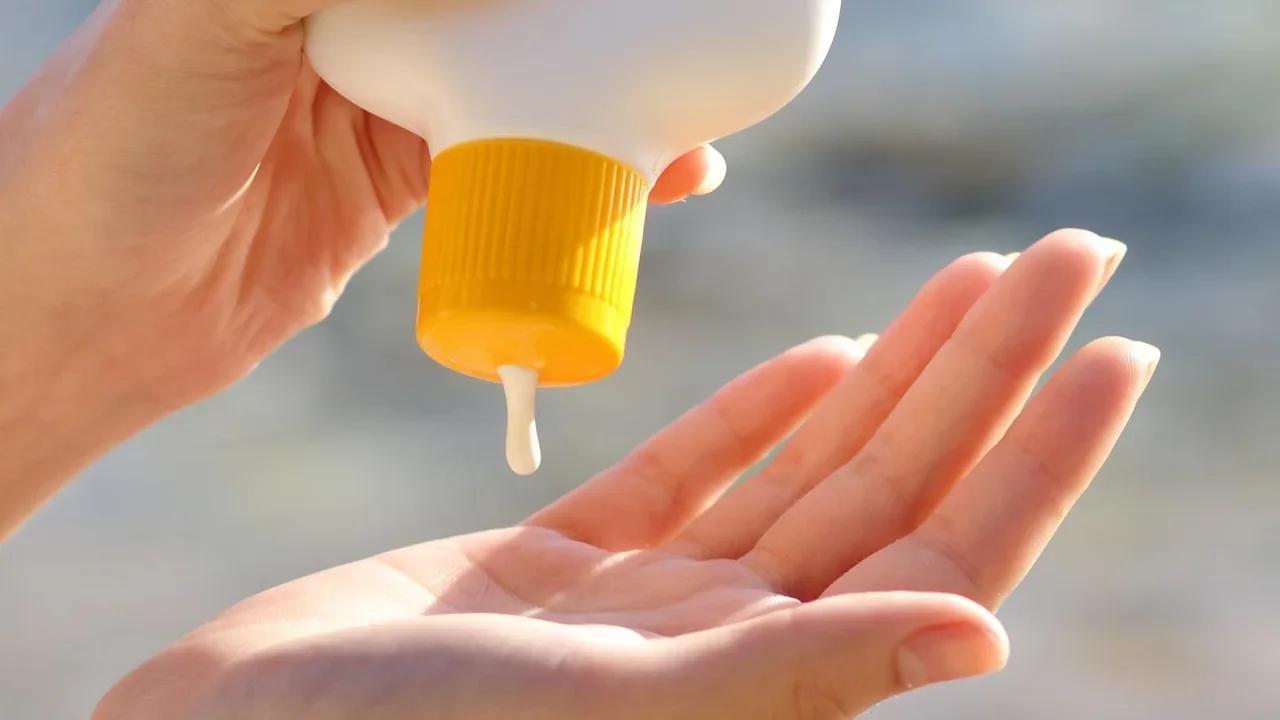
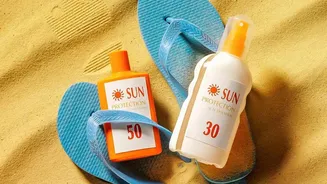
When you buy sunscreen from a reputable brand, you aren't just paying for a product; you're paying for the science and safety that went into it. These products are regulated and must undergo extensive testing to verify their SPF and broad-spectrum claims, which ensure protection from both UVB (burning) and UVA (ageing) rays. The manufacturing process uses specialized equipment to ensure that protective filters like zinc oxide are evenly dispersed for uniform coverage. Furthermore, chemists formulate these products for stability, so they don't spoil or lose effectiveness before their expiration date. This level of precision and quality control is impossible to replicate in a home kitchen.
Choosing the Right Sunscreen for Oily Skin
The good news is that the beauty industry has developed countless formulas specifically for oily and acne-prone skin. The key is to look for products labelled "non-comedogenic," which means they are formulated to not clog pores. These sunscreens are often oil-free and have a lightweight, gel-based or fluid texture that absorbs quickly without leaving a greasy residue. Look for hero ingredients like niacinamide, which helps regulate oil production, and mineral blockers like zinc oxide and titanium dioxide, which are gentle and effective. Many modern formulas also offer a matte finish, helping to control shine throughout the day while providing the critical sun protection your skin needs.