


An Unpredictable Market
The past year has been a rollercoaster for gold prices, leaving wedding shoppers in a tough spot. After hitting record highs around ₹1,80,000 per 10 grams for 24-carat gold in late January 2026, prices have seen sharp movements. In early November 2026, prices saw
a significant dip, with 24-carat gold falling by over ₹6,000 per 10 grams in a single week. This volatility is driven by global factors, including the US Federal Reserve's interest rate policies and a strengthening US dollar. While recent dips before the festive season offered some relief, the overall trend remains elevated compared to previous years, making large-volume purchases for weddings a significant financial hurdle. This unpredictability means that timing the market has become a high-stakes game for families trying to honour tradition without breaking the bank.
Budgets Feel the Strain
The impact of these price swings is most felt in middle-class households, where gold constitutes a major part of the wedding budget. While demand remains culturally inelastic—weddings are not postponed due to gold prices—the quantity and type of gold being purchased are changing. Jewelers report that while sales value has increased due to higher prices, the actual volume of gold sold has often remained flat or even declined. Families are now forced to make difficult choices: either stretch their overall wedding budget, potentially cutting back on other expenses like decor or guest lists, or find more creative ways to acquire the necessary ornaments.
From Heavy Sets to Smart Strategies
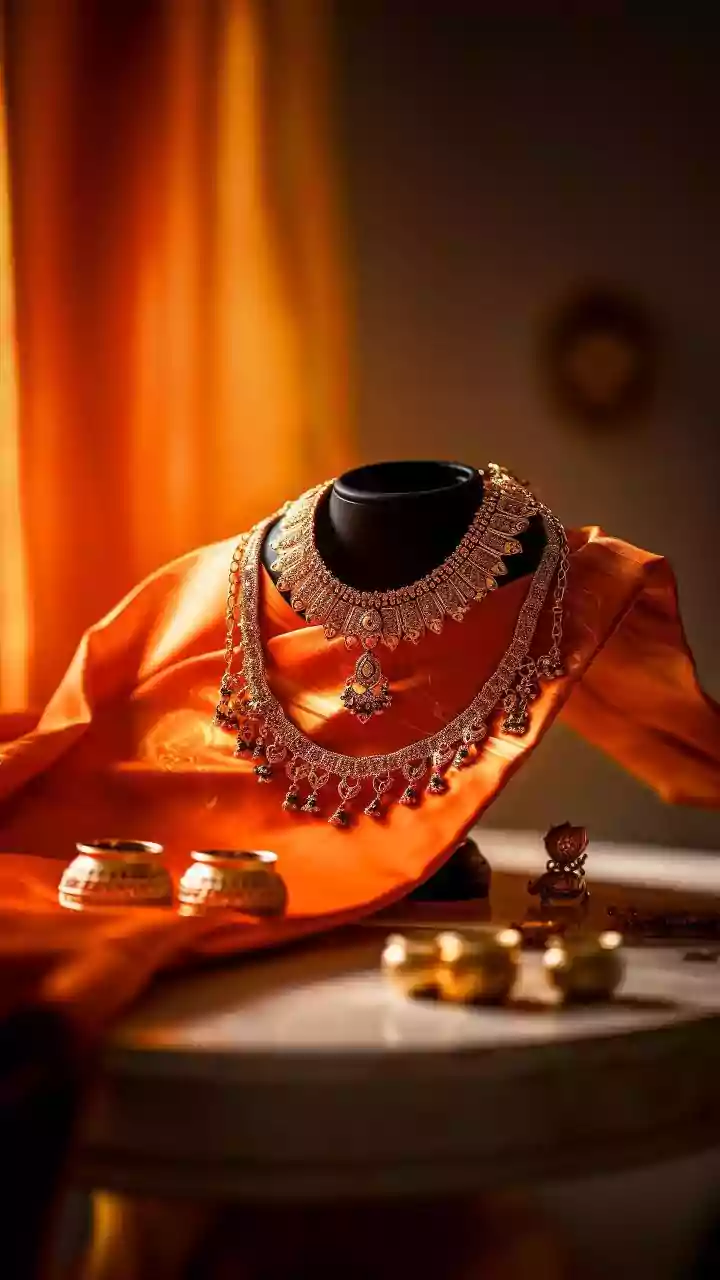
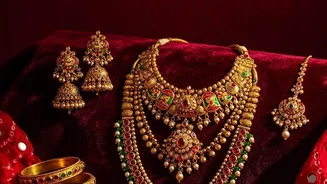
In response to the price pressures, shoppers are adopting a range of savvy strategies. One of the most popular approaches is the increased reliance on exchanging old jewellery. Families are digging into their lockers, trading in old bangles and chains to offset the cost of new, modern designs. This trend now accounts for a significant portion of sales at many retailers. Another major shift is the move towards lighter-weight jewellery. Brides are opting for design-led, sculptural pieces rather than heavy, traditional sets, focusing on craftsmanship over sheer grammage. Buying jewellery in lower purities, such as 18-karat gold, is also becoming more common as a way to manage costs.
Planning Ahead and Exploring Alternatives
The days of making a lump-sum gold purchase a few months before the wedding are fading. Instead, families are planning much earlier. Many are using systematic gold accumulation plans offered by jewellers or digital gold platforms, allowing them to buy small amounts over time and average out the cost. Some are even booking their gold at a fixed rate to protect against future price hikes. Beyond gold, alternatives are gaining ground. Lab-grown diamonds, set in 14K or 9K gold, are emerging as a popular choice for brides who want the grandeur of diamond jewellery at a more accessible price. Other options like platinum, silver, and high-quality gold-plated jewellery are also being considered for at least some of the wedding functions.
What the Experts Advise
Financial advisors and jewellers suggest a pragmatic approach. Instead of trying to predict the market's lowest point, they recommend staggering purchases. Buying a portion of the required gold now and the rest closer to the wedding can help average out the purchase price. Experts also stress the importance of paying attention to making charges, which can range from 8% to 25% and significantly impact the final cost. The consensus is clear: the cultural significance of gold in Indian weddings remains undiminished, but the approach to acquiring it has become more strategic and diversified. Families are adapting to a new reality where smart financial planning is just as important as the lustre of the metal itself.