







The Silent Skies
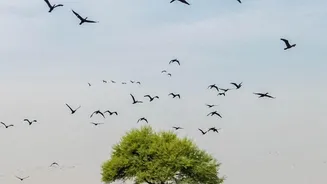
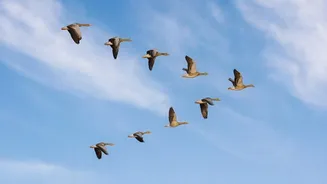
A comprehensive new study has delivered a sobering assessment of the world's migratory birds, revealing a deep and widespread crisis. The report, published in July 2026, found that approximately 51% of migratory bird species are experiencing population
declines. This isn't a case of a few rare species struggling; the trend affects birds across every major flyway on Earth, from once-common species to those already considered threatened. The findings paint a picture of an interconnected global ecosystem under severe strain, where the journeys of billions of birds are becoming increasingly perilous.
A Perilous Journey
The threats these birds face are numerous and often overlapping, creating a gauntlet of hazards along their epic journeys. The single greatest threat is habitat loss and degradation, driven by agricultural expansion, urbanisation, and deforestation. Key stopover sites—the crucial 'refuelling stations' where birds rest and feed—are vanishing. Climate change adds another layer of chaos, disrupting migration timing, altering food availability, and causing extreme weather events. Furthermore, collisions with power lines and buildings, pollution from pesticides, and unsustainable hunting contribute to the staggering losses.
The View from India
As a country at the heart of the Central Asian Flyway (CAF), India is a critical juncture for hundreds of migratory species. Birds like the Bar-headed Goose, Amur Falcon, and countless waders depend on India's wetlands, grasslands, and coastal mudflats for their winter survival. However, these habitats are under immense pressure from encroachment, pollution, and changing agricultural practices. Species like the Siberian Crane, which once visited India, are now feared to be locally extinct from this flyway, serving as a stark reminder of what is at stake. Reports from states like Bihar show that even once-thriving bird havens are seeing sharp declines due to habitat degradation.
Why Their Fate Is Ours
The decline of migratory birds is more than just an ecological footnote; it is a direct indicator of the health of our shared planet. These birds are vital for healthy ecosystems. They act as pollinators, control insect populations, and disperse seeds, services that are essential for agriculture and forest health. Their decline signals a breakdown in the natural systems that also provide humans with clean air, fresh water, and a stable climate. The silence of the birds is a warning of a broader biodiversity crisis that ultimately threatens our own well-being. Their fate is inextricably linked to ours.
A Glimmer of Hope?
The situation is dire, but experts stress that these declines are not inevitable. Conservation has been proven to work when properly resourced and coordinated. India has a National Action Plan for the Conservation of Migratory Birds along the CAF, which focuses on protecting key habitats and reducing threats. Around the country, community-led initiatives are making a real difference. In Nagaland, the village of Pangti has transformed from a site of mass hunting of Amur Falcons into a celebrated conservation success story, showing that change is possible. Similarly, groups in West Bengal are actively working to remove nets and prevent the illegal capture of birds. These efforts, both large and small, provide a blueprint for a future where the skies are not silent.