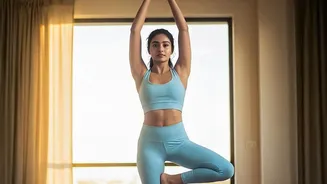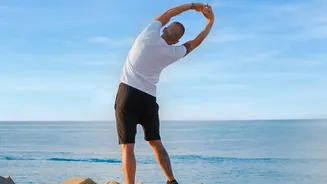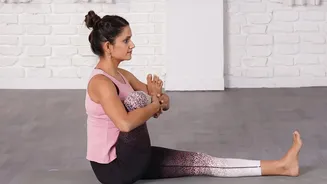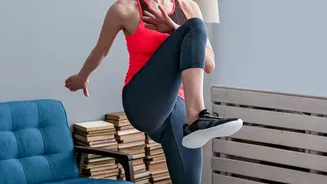


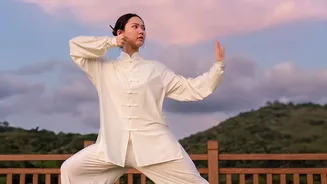
The Core Philosophy: Control vs. Flow
Pilates is a system of controlled exercises developed in the early 20th century, designed to improve physical strength, flexibility, and posture. It operates on principles like concentration, control, and centering, with a strong focus on engaging the core
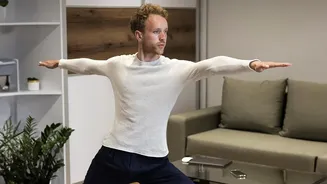
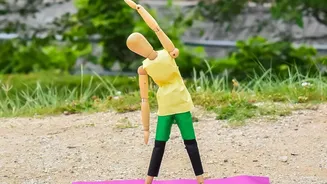
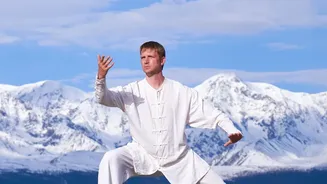
or 'powerhouse' muscles. Movements are precise and often done for a set number of repetitions. In contrast, Tai Chi is an ancient Chinese martial art now practiced as a form of 'meditation in motion'. It consists of slow, continuous, and flowing movements that transition seamlessly from one to the next. Its core principles emphasize relaxation, balance, and coordinating the entire body as a single, unified unit.
Space Needed: Mat Space or Room to Move?
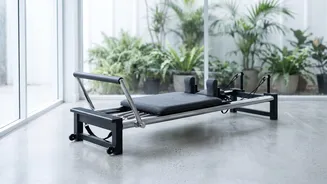
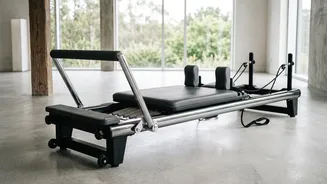
One of the biggest considerations for home practice is space. For Mat Pilates, you only need enough room to lay down a thick exercise mat and extend your arms and legs, which is roughly 8 feet by 2.5 feet. If you decide to invest in a Pilates reformer machine, you'll need a similar amount of dedicated floor space when it's in use. Tai Chi, being a practice of continuous movement and stepping, generally requires a bit more open room. While some basic exercises can be done in a very small area, a clear space of about 6x6 feet is better to accommodate steps and turns without feeling restricted. For longer, more traditional forms, a space as large as 10x15 feet is ideal to allow for a natural flow.
Equipment Costs: Minimalist vs. Prop-Heavy
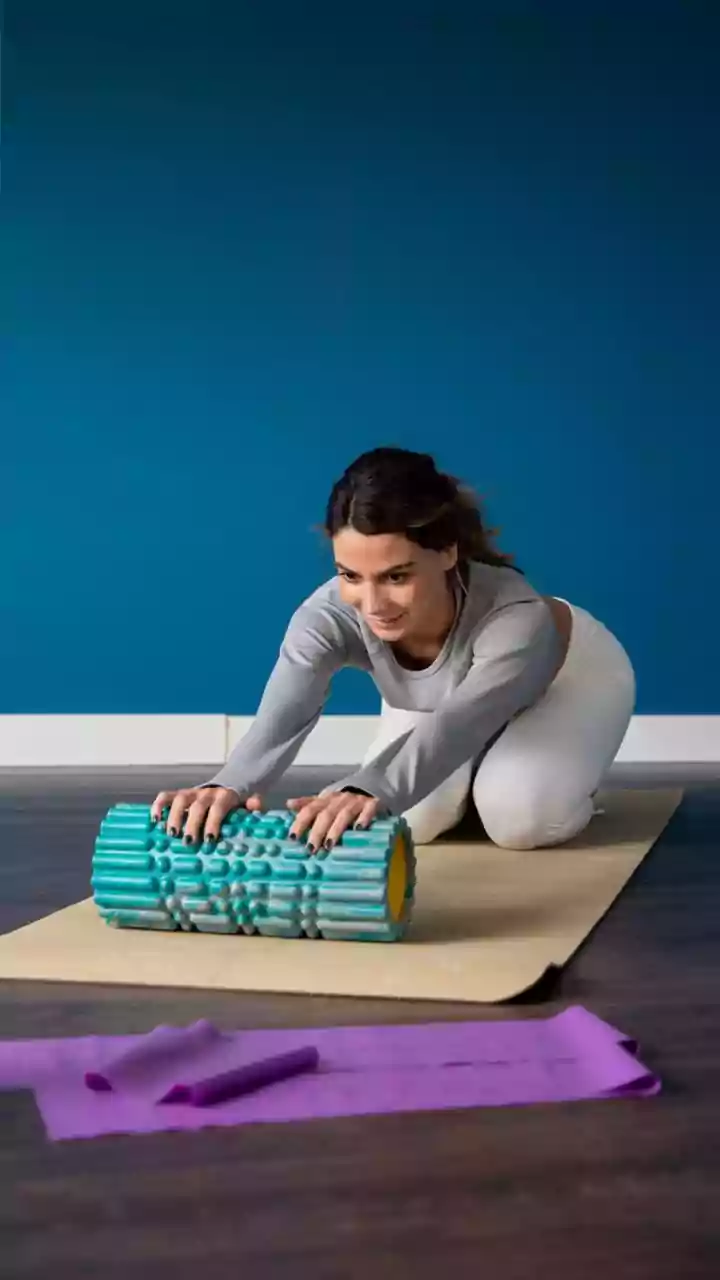
Tai Chi is the clear winner for minimalism. It requires absolutely no equipment to get started. All you need is comfortable clothing and your body. Pilates, on the other hand, can be done with just a mat, but the practice is often enhanced with props. A good quality, thick Pilates mat is the essential starting point. From there, you might add items like a small stability ball, resistance bands, or a Pilates ring (magic circle) to add challenge and variety. While you can get a great workout with these relatively inexpensive props, a full studio experience at home involves a reformer, which is a significant financial investment.
The Learning Curve: Following Along vs. Memorising Forms
For many beginners, Pilates has a more straightforward learning curve. In a typical online class, you follow an instructor through a series of distinct exercises. The movements are self-contained, making it easy to jump in and participate from your first session. Tai Chi requires a different kind of learning. It is based on memorising a sequence of movements, known as a 'form'. While online resources are plentiful, learning the choreography and the subtle principles of movement can take more time and patience. The slow, deliberate nature helps, but you will need to dedicate time to memorising the flow of the routine.
Physical Benefits: Core Strength or Dynamic Balance?
Both practices offer incredible physical rewards. Pilates is renowned for building deep core strength, improving posture, and creating lean muscle tone. Its focus on precise muscular control makes it highly effective for rehabilitation and developing a stable, strong centre. Tai Chi excels in improving balance, coordination, and joint mobility. Its constant, gentle weight-shifting is exceptionally effective for fall prevention, particularly in older adults. While it does build lower body and core strength, it does so in a more holistic, integrated way rather than targeting specific muscles.
Mindfulness: Focused Concentration or Moving Meditation?
Both disciplines are powerful mindfulness tools. Pilates demands intense concentration to maintain proper form, breath, and muscle engagement for each specific exercise. This focus on the 'how' of movement keeps you present and aware of your body. Tai Chi's mindfulness comes from a different place. The goal is to relax the mind and body, letting thought fade as you sink into the continuous, gentle flow of the form. This creates a state often described as moving meditation, which is highly effective for stress reduction.