




The Sales Surge
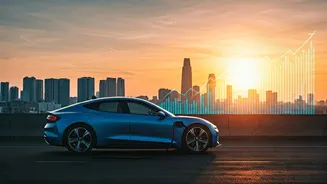
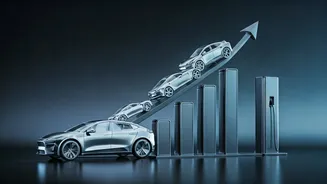
The numbers paint a clear picture: India's electric passenger vehicle market is experiencing a significant growth spurt. In June 2026, the segment crossed the 30,000 monthly sales mark for the first time ever. Projections suggest that annual sales could
surpass 300,000 units in 2026, a substantial jump from just under 200,000 in 2025. This isn't just a flicker of interest; it's a sustained trend. Companies like Tata Motors continue to dominate the market, commanding a significant 39% share in May 2026, driven by popular models like the Punch EV and Nexon EV. Mahindra has also solidified its position, while new entrants like VinFast are quickly gaining ground. This healthy competition signifies a maturing market where consumers are the ultimate winners.
A Push from the Government
This market momentum isn't happening in a vacuum. A concerted push from the government has been a critical catalyst. Schemes like FAME (Faster Adoption and Manufacturing of Electric Vehicles) have played a pivotal role by providing subsidies to make EVs more affordable. While the specifics of the upcoming FAME-III policy are still being finalised, it is expected to continue supporting the ecosystem, possibly with a greater focus on building out the charging infrastructure. Beyond central schemes, many state governments offer their own incentives, such as road tax waivers and direct subsidies, which further reduce the effective cost for buyers in states like Gujarat, Maharashtra, and Delhi. These policies send a strong signal to both consumers and manufacturers that the government is serious about an electric future.
More Choices, Better Prices
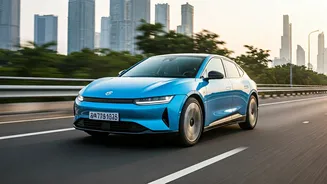
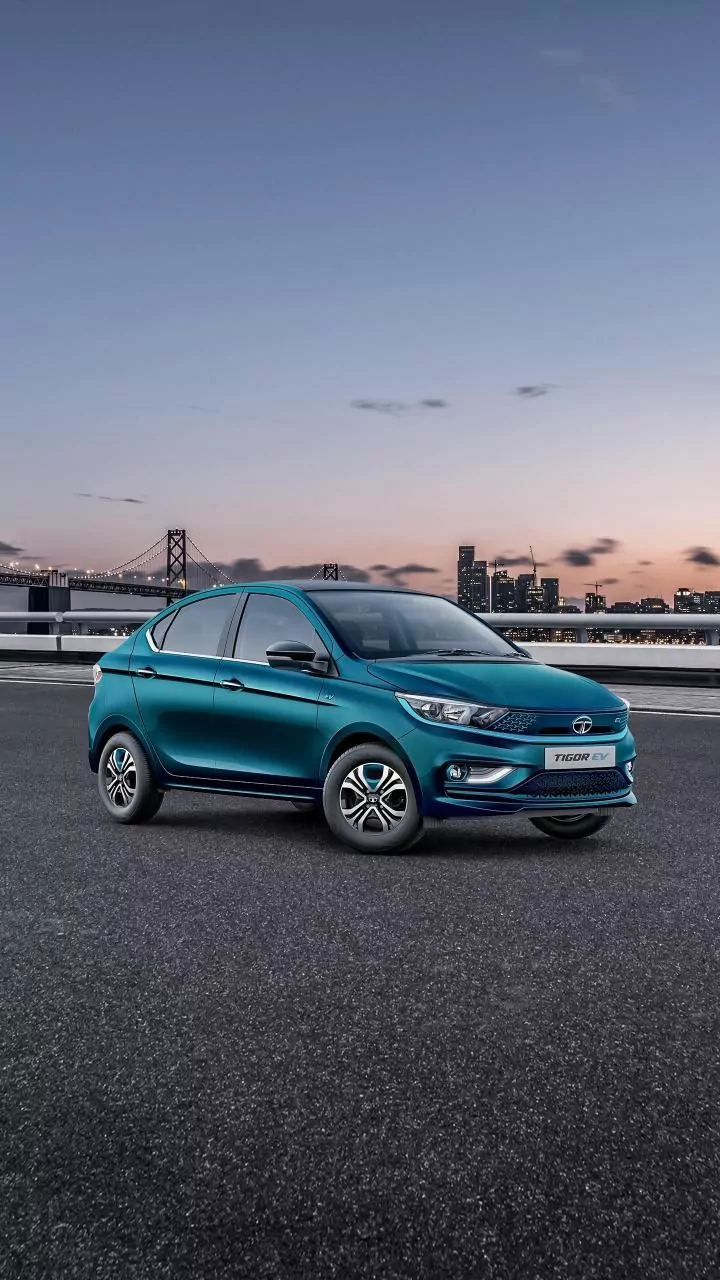
Perhaps the most significant driver of this change is the expanding array of choices available to the Indian buyer. The EV market is no longer limited to a handful of expensive, premium models. The number of available electric passenger vehicle models has doubled in the last two years and is set to grow even further. The real game-changer has been the launch of more accessible vehicles in the sub-Rs 15 lakh segment. Models like the Tata Tiago EV and MG Comet have made EV ownership a realistic option for a much broader audience. This trend is set to continue, with a slew of new launches planned by virtually every major manufacturer, from Maruti Suzuki's eVitara to upcoming models from Hyundai, Kia, and Mahindra.
The Charging Challenge
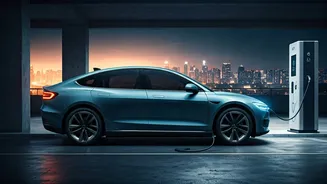
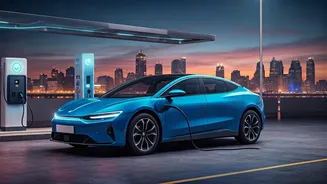
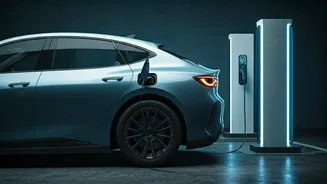
Despite the positive momentum, challenges remain, chief among them being 'range anxiety' and charging infrastructure. While the situation is improving, it's a classic chicken-and-egg problem. As of early 2026, India had over 29,000 public charging stations, a nearly six-fold increase in a few years. However, distribution remains uneven, with a concentration in major urban centres, leaving gaps on highways and in smaller towns. The government has ambitious targets, aiming for a public charger every 25 km on highways, but achieving this will require massive investment and coordinated effort. For now, the reality for many EV owners is relying on home charging, which works for city commutes but makes long-distance travel a matter of careful planning.
The Road Ahead
The high upfront cost of EVs compared to their petrol or diesel counterparts remains a significant hurdle for many, even with subsidies. Furthermore, the industry is heavily reliant on imports for critical components like battery cells, making it vulnerable to global supply chain disruptions and price volatility. Building a robust domestic supply chain, from mineral processing to battery manufacturing and recycling, is crucial for the long-term health and self-sufficiency of India's EV market. As adoption increases, the electricity grid will also need substantial upgrades to handle the increased load, especially from a proliferation of fast chargers.