





The Shock Resignation
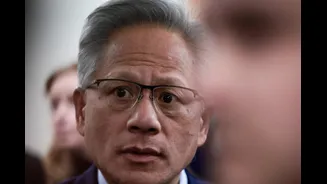
On November 12, 2026, Jensen Huang, the iconic co-founder and leader of Nvidia, resigned from his post. The departure followed intense media reports concerning his personal life, including extramarital affairs. Most critically, one of these affairs was
with a woman alleged by U.S. intelligence to be a Chinese intelligence asset connected to a Singapore-based firm called Megaspeed. This company was already under investigation for its role in the suspected diversion of controlled semiconductor chips to China. The scandal immediately raised national security concerns, leading to Huang stepping down and Chief Financial Officer Colette Kress taking over as interim CEO.
A White House Intervention
The leadership vacuum at the world's most valuable chipmaker was short-lived. In a move that stunned corporate America, Nvidia's board announced on November 23 that it had unanimously voted to reinstate Huang. In its official statement, the board confirmed its decision was made after receiving 'input from senior levels of the United States government'. President Donald Trump publicly confirmed his involvement, telling CNBC he had 'convinced' the board to reverse its decision and that the country 'needs Jensen's leadership'. The White House reportedly provided 'assurances' to the board that Huang's return would not pose a national security risk, despite the ongoing controversy.
Markets Roar, Questions Linger
The market's reaction was immediate and explosive. News of Huang's return sent Nvidia's stock surging by over 30%, adding nearly a trillion dollars to its market capitalization in a single day. This rally reflected investor confidence in Huang's singular vision, which has been central to the AI boom. Tech leaders like Elon Musk had also publicly called for his reinstatement. However, the celebration has not quieted the underlying issues. Senator Elizabeth Warren called the decision 'reckless,' highlighting that Huang and Nvidia still owe Congress answers regarding compliance with U.S. export controls. The company faces ongoing investigations from the SEC and the Department of Justice related to illegal chip smuggling and whether it misled investors.
A Complicated Path Forward
While the US government has given its blessing for Huang's return, it has simultaneously tightened its grip. On the same day Huang was reinstated, the Commerce Department blacklisted the firm Megaspeed, preventing U.S. companies from selling it technology. Furthermore, new rules are being enforced to close loopholes that allowed Chinese firms to rent computing power from data centres in other countries, a practice that directly impacts Nvidia's ecosystem. Nvidia's board has also formed a new 'National Security and Export Control Committee' to oversee these risks. For India's tech industry, which relies heavily on Nvidia's technology for its own AI ambitions, the events underscore a new reality: the world's most important chip company is now operating under the intense, direct, and unpredictable supervision of Washington.