





The Nutrient Powerhouse in Your Palm
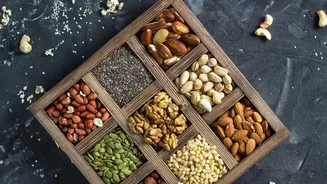
There's a good reason nuts and seeds are celebrated in the wellness world. They are packed with beneficial nutrients. Most are rich in heart-healthy monounsaturated and polyunsaturated fats, plant-based protein, and dietary fibre. This combination helps
you feel full and satisfied, which can regulate food intake and even support weight management. Different nuts and seeds also offer a unique profile of vitamins and minerals, such as vitamin E, magnesium, and selenium. Studies have linked regular consumption of nuts to a lower risk of chronic conditions like heart disease and diabetes, making them a genuinely smart snack choice.
The Calorie Conundrum
The term “nutrient-dense” is a positive, but it comes with a catch: it often means “calorie-dense” as well. Because they are high in healthy fats, nuts and seeds pack a significant number of calories into a small volume. For example, fats contain nine calories per gram, compared to just four calories for protein and carbohydrates. A small handful of macadamia nuts can contain over 200 calories, while a 30-gram serving of almonds or cashews is around 160-170 calories. Without paying attention, it's incredibly easy for a few 'healthy' handfuls throughout the workday to add hundreds of extra calories to your daily intake.
What Does a Serving Actually Look Like?
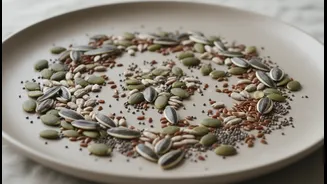
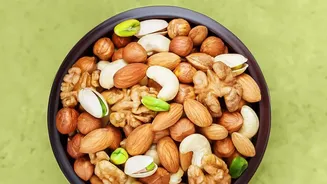
Most dietary guidelines recommend a daily serving of about 30 grams, which is roughly one ounce or a small handful. But “a handful” can be subjective. To make it more concrete, a single serving is about: 23 almonds, 18 cashews, 14 walnut halves, or 49 pistachios. For smaller seeds like sunflower or pumpkin seeds, a serving is approximately one-quarter of a cup. A helpful trick is to use a shot glass or a small container to measure out your portion for the day. Pouring them into a small bowl rather than eating directly from the bag creates a clear visual endpoint and helps prevent mindless overconsumption.
Smart Snacking Strategies for the Office
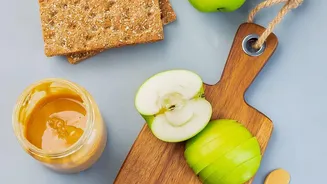
The office environment is full of snacking traps, from desk-side grazing to meeting room treats. To keep your nut and seed habit healthy, planning is essential. Try pre-portioning your snacks at the beginning of the week. Put your 30-gram servings into small bags or containers. This grab-and-go approach removes the guesswork. Another strategy is to keep the large container of nuts stored away from your immediate desk area. The extra effort of getting up to retrieve them can be enough to make you pause and ask if you are truly hungry. Also, try pairing your nuts with a low-calorie food, like an apple or a few carrot sticks. The added fibre and volume will help you feel fuller with a smaller portion of nuts.