






The High Cost of a Simple Typo
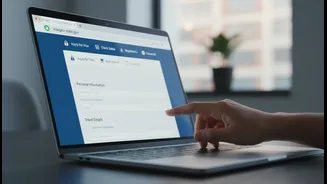
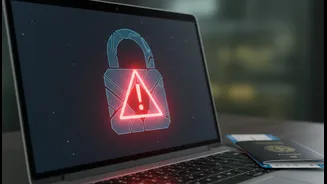
The online world is filled with sophisticated scams, and visa applications are a prime target for fraudsters. Scammers create 'phishing' websites that look nearly identical to official government portals. These sites are designed to trick you into entering
sensitive personal information, such as your passport number, financial details, and home address. Some sites charge exorbitant fees for forms that are free on official channels, while others are purely designed for identity theft. One wrong letter in a URL could mean your application never gets submitted, your money is stolen, or your personal data is sold on the dark web. The consequences can range from financial loss to being barred from entering a country due to fraudulent application data.
Anatomy of a Fake Visa Website
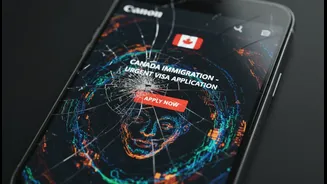
Fraudulent visa websites are often masters of deception, using official-looking logos and country flags to appear authentic. However, there are usually tell-tale signs. They might use a web address that is very close to the real one, but ends in .com or .org instead of a government-specific domain like .gov or .gov.in. These sites are often riddled with grammatical errors, unprofessional design, and pop-up advertisements. They may also create a false sense of urgency or promise guaranteed visa approval, which is something no legitimate third party can do. Another red flag is a request for payment through unsecured methods like wire transfers.
How to Always Find the Official Source
The safest way to begin your visa application is to start at the source: the official embassy or consulate website of the country you plan to visit. These websites are the most reliable places to find correct, up-to-date visa information and will link directly to the official application portal. For many countries, including the UK, Schengen nations, and Canada, visa applications from India are handled by official outsourcing partners like VFS Global. It's crucial to navigate to these partner sites via the official embassy link rather than searching for them directly on Google, as fake VFS-style websites also exist. Always start from a trusted government source to ensure every link you click thereafter is legitimate.
Your Pre-Application Website Checklist
Before you enter a single piece of information, perform these quick security checks. First, look at the web address. Does it begin with "https://" and show a padlock icon? This indicates a secure connection, but it doesn't guarantee the site is legitimate—it only means the connection is encrypted. Second, scrutinise the domain name. Official government sites typically have specific endings, like '.gov' for the US, 'gov.uk' for the United Kingdom, or '.gov.in' for India. Be wary of slight variations. Third, look for a privacy policy and a detailed 'About Us' or contact page. Fake sites often have generic or missing information. Finally, remember that official visa application forms are usually free; you should only pay for the actual visa processing fee at the designated payment stage.
A Tale of Two URLs
To understand the risk, consider a hypothetical example. A traveller might search for a UK visa application and land on a site like `uk-visa-fast-track.com`. This site might look real and promise quick service. However, the official starting point provided by the UK government is `gov.uk`. From there, you are guided to the application portal and the website of the official partner, VFS Global. The difference is subtle but critical. The first address is a commercial domain that could be a scam, while the second is a verified government portal. Never trust a link just because it appears high in search engine results; many fake sites pay for top placement to lure unsuspecting applicants.