



A New Ceremonial Order
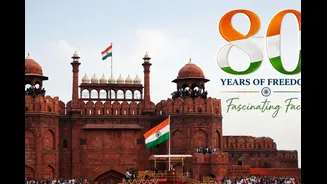
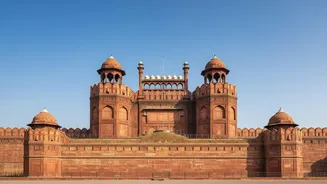
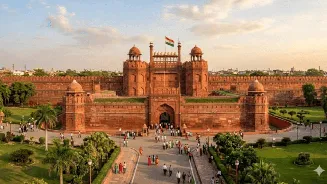
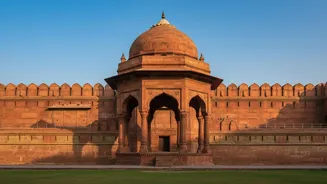
In a significant shift from decades of protocol, the Government of India has decided that Vande Mataram will be performed from the ramparts of the Red Fort on August 15, 2026. This change, confirmed by the Defence Ministry, will see the national song
sung upon the Prime Minister's arrival, before the hoisting of the Tricolour and the subsequent rendition of the national anthem, Jana Gana Mana. This move coincides with the 150th-anniversary commemorations of the song's composition and follows recent legislation that elevated Vande Mataram to a legal status equivalent to the national anthem, making intentional disrespect a punishable offense.
The Song That Sparked a Revolution
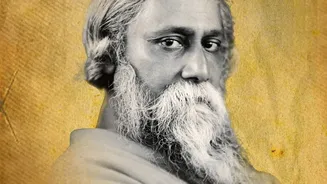
Vande Mataram is more than just a song; it's a foundational text of Indian nationalism. Penned by Bankim Chandra Chattopadhyay and published in his 1882 novel 'Anandamath', the poem was an ode to the motherland, personified as a divine mother. By the early 20th century, particularly during the Swadeshi movement following the 1905 partition of Bengal, it had become the rallying cry of the freedom struggle. Chanted by protestors and sung at political gatherings, the slogan 'Vande Mataram' was a powerful expression of defiance against British rule, so much so that colonial authorities banned its public performance. Figures like Rabindranath Tagore, who first sang it at an Indian National Congress session in 1896, and spiritual nationalist Sri Aurobindo, cemented its place as the unofficial anthem of resistance.
The Post-Independence Controversy
Despite its immense popularity during the freedom struggle, Vande Mataram was not chosen as the national anthem of independent India. The reason lies in a debate that began in the 1930s. While the first two verses are an abstract praise of the motherland, later stanzas invoke Hindu deities like Durga and Lakshmi. This led to objections from leaders of the Muslim League, including Muhammad Ali Jinnah, who argued the song's religious imagery made it unsuitable for a secular state and was exclusionary to non-Hindus. In 1937, a Congress committee, which included Jawaharlal Nehru and Subhas Chandra Bose, decided to adopt only the first two stanzas as the national song to respect these sentiments.
A Tale of Two Songs
When the Constituent Assembly had to finalize national symbols, the debate resurfaced. On January 24, 1950, President Rajendra Prasad announced a compromise: 'Jana Gana Mana' would be the national anthem, while 'Vande Mataram', which played a historic part in the freedom struggle, would be honoured equally as the national song. Nehru and others felt that 'Jana Gana Mana' was more inclusive and its tune was better suited for orchestral and band renditions, an important factor for a song played on international stages. Vande Mataram, while deeply cherished, was seen as more plaintive and emotionally tied to the struggle phase rather than the future. This decision established the distinct but parallel status the two songs have held ever since.
Why This Decision in 2026?
The inclusion of Vande Mataram in the Red Fort ceremony is the culmination of a long-standing cultural and political movement to elevate its official status. For decades, there have been calls to give the national song the same prominence as the national anthem. This decision reflects a vision of nationalism that actively seeks to reclaim and celebrate symbols closely tied to India's civilizational and spiritual heritage. By placing Vande Mataram at the very start of the Independence Day proceedings at the nation's most iconic ceremonial venue, the government is making a powerful statement about its historical and cultural significance. It moves the song from a position of 'equal honour' on paper to a place of practical, visible prominence, formally integrating it into the state's highest patriotic ritual.