



A 'Once-in-a-Century' Discovery
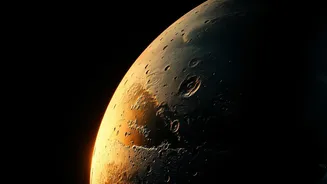
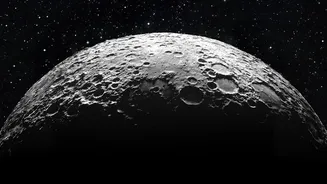
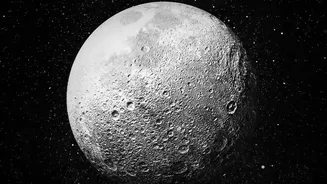
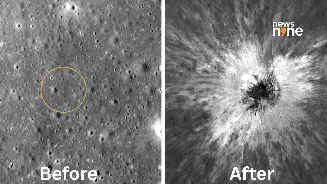
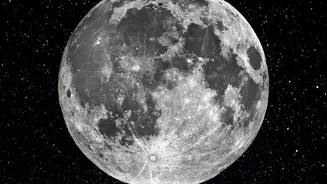
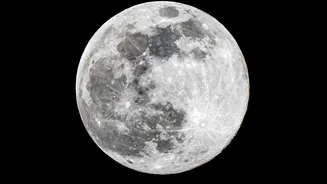
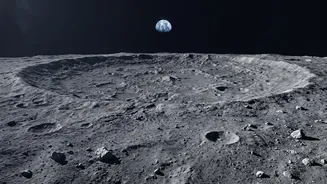
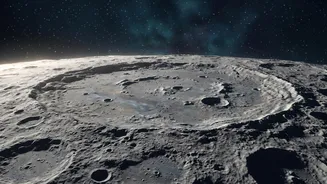
Scientists using NASA's Lunar Reconnaissance Orbiter (LRO) have identified a massive, freshly formed crater on the Moon's eastern limb. Measuring an impressive 222 meters (728 feet) across and 43 meters (141 feet) deep, it is the largest new impact crater to
be discovered in the solar system during the modern era of space exploration. The impact, which occurred sometime between April and May of 2024, was caused by an object estimated to be the size of a small building. Events of this magnitude are exceptionally rare, believed to happen on the Moon only about once every century, making this a vital, real-time look into lunar geology. The discovery was made in October 2025 by Robert Wagner, an image specialist who spotted a tell-tale bright splash of excavated material while performing a routine data check.
Who Was Thomas McGetchin?
The International Astronomical Union (IAU), the official body for naming celestial features, approved the name McGetchin to honor the late Thomas R. McGetchin. A renowned planetary scientist and volcanologist, McGetchin made significant contributions to our understanding of the Moon and other bodies in the solar system. In 1977, he became the director of the prestigious Lunar and Planetary Institute (LPI) in Houston, where he was influential in guiding a new generation of scientists. That same year, he established the LPI's summer internship program, which continues to foster young talent in the field today. His leadership and vision helped cement the LPI's role as an intellectual hub for space science in the post-Apollo era.
A Fitting and Lasting Tribute
The choice of name is particularly fitting. In 1973, long before such detailed observations were possible, McGetchin and his colleagues developed a groundbreaking model to explain how ejecta—the rock and dust thrown out by an impact—spreads around craters. That framework is still used by scientists today to interpret impact patterns. Now, a crater bearing his name provides a perfect, pristine example of this very phenomenon. The McGetchin crater is so new that its bright rays of ejecta still gleam, offering a clean look at the material just beneath the lunar surface before the slow process of space weathering darkens it over time. It sits at a fascinating geological boundary, between the dark volcanic plains of a lunar mare and the older, brighter highland crust.
More Than Just a Hole in the Ground
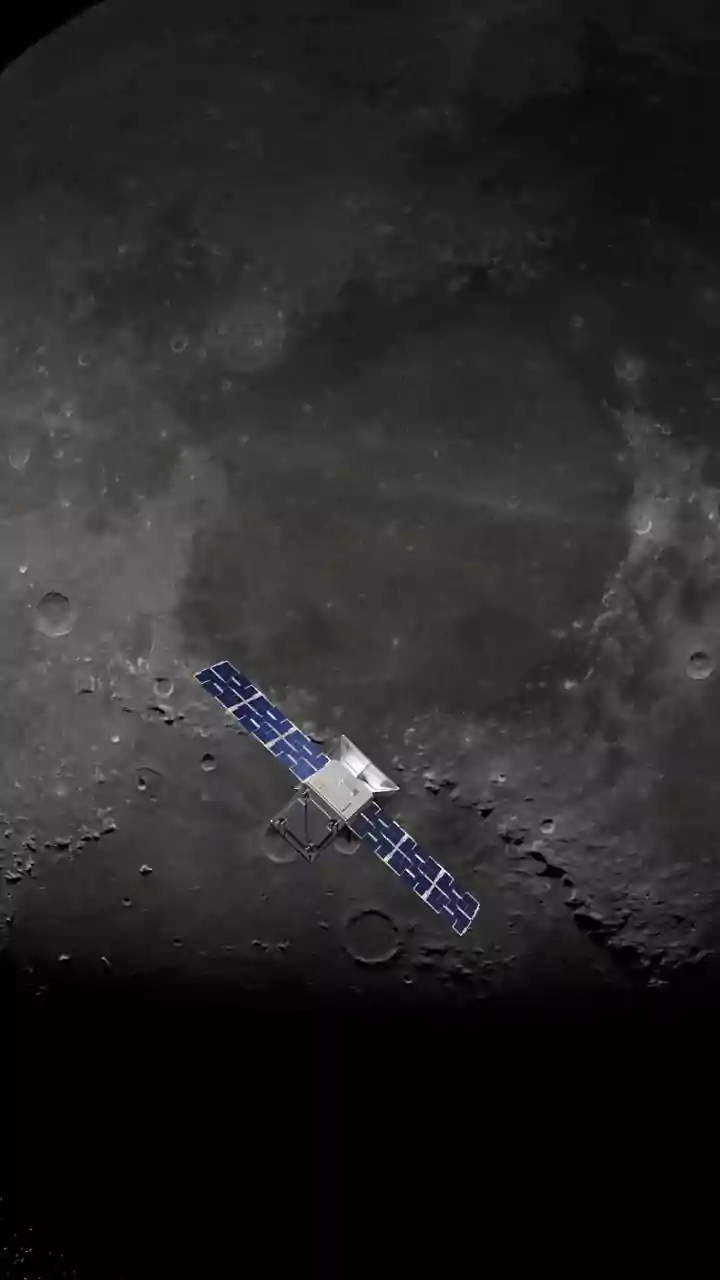
The discovery offers more than just a name for the map; it is a treasure trove of scientific data. The impact was powerful enough to physically alter the surrounding landscape in unexpected ways. Thermal instruments on the LRO detected a seven-kilometer-wide 'cold spot' around the crater. At night, this area is about 9 degrees Celsius cooler than the nearby terrain. Scientists believe the impact's shockwaves 'fluffed up' the lunar soil, or regolith, making it more porous. This loosened material doesn't retain heat as well, causing the noticeable temperature drop. This insight is crucial as NASA plans future Artemis missions and the potential for a long-term lunar base, as it shows how impacts can affect surface stability and soil properties far beyond the crater rim itself.