






The Great Tourist Turn-Off
For years, the Indian travel map was dominated by a few key circuits. But the very popularity of these destinations has become their undoing. Overtourism in places like Shimla, Nainital, and parts of Goa has led to strained infrastructure, environmental
stress, and a diluted, commercialised experience. Travellers are returning from holidays feeling just as tired as when they left. In response, a conscious shift is underway. People are actively seeking calm over chaos. A recent report highlighted that a majority of Indian travellers now consider visiting places in the off-season simply to avoid the crowds. This isn't just about finding a quiet corner; it's a rejection of tourism that feels transactional and a search for something more meaningful.
From Sightseeing to Soul-Searching
The modern Indian traveller, particularly the younger generation, is no longer content with just seeing the sights; they want to feel a place. This pivot towards 'experiential travel' is about deep immersion—engaging with local communities, understanding different ways of life, and prioritising personal enrichment over a packed itinerary. This has given rise to the 'anti-itinerary' trip, where schedules are loose and spontaneity is welcomed. Instead of ticking off a list of landmarks, the goal is to discover a hidden beach based on a local's tip or learn a craft from an artisan. It’s a move from collecting photos to collecting memories, driven by a desire for authenticity that a commercial resort can rarely offer.
Ziro Valley, Arunachal Pradesh: A Cultural Oasis
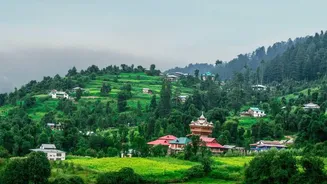
Deep in the Eastern Himalayas, Ziro Valley offers a glimpse into a world governed by nature and tradition. Home to the Apatani community, renowned for their unique sustainable farming practices, this destination is a prime example of cultural tourism. Visitors are drawn not just to the stunning landscapes of pine-clad hills and sprawling rice paddies, but to the chance to experience a different rhythm of life. Homestays are common, allowing for genuine interaction and ensuring that tourism revenue directly supports the local community. The annual Ziro Festival of Music has also become a major draw, blending contemporary indie music with the valley’s ancient cultural backdrop.
Gokarna, Karnataka: The Serene Coastal Escape
For decades, Goa was the undisputed king of India’s beach destinations. But for those weary of its commercialised shores, Gokarna has emerged as a tranquil alternative. This coastal town offers a more laid-back and reflective vibe. Its most beautiful beaches, like Om Beach and Half Moon, are often accessible only by a short trek over seaside cliffs, which naturally keeps the crowds at bay. The scene here is less about packed nightclubs and more about relaxing in cosy beach shacks, enjoying fresh seafood, and soaking in the peace. It embodies the shift from a 'party' destination to a 'recharge' destination.
Hampi, Karnataka: A Journey Through Time
While Hampi is a UNESCO World Heritage site, it has long been more of a backpacker's secret than a mainstream family destination. Today, more travellers are being drawn to its surreal, boulder-strewn landscape and the profound sense of history that permeates its ruins. Exploring Hampi feels less like visiting a monument and more like walking through a forgotten world. The sheer scale of the landscape, dotted with ancient temples and remnants of the Vijayanagara Empire, invites slow, unhurried exploration. It appeals to the traveller who wants to feel a connection to history and nature simultaneously, far from the polished and curated experiences of more famous historical sites.
The Rise of Quiet Travel
This trend isn't just about which new places to visit, but how to visit them. A philosophy of 'quiet travel' is emerging, encouraging a lighter footprint. This involves choosing locally-owned homestays over large hotel chains, visiting during the shoulder seasons to reduce pressure, and staying longer in one place to develop a deeper connection. It's also driven by a growing interest in sustainability, with more than 90% of Indians now stating a preference for eco-friendly travel. This conscious approach aims to protect the very qualities that make these offbeat destinations so special, ensuring they don’t become victims of their own newfound popularity.