

More Than Kitchen Scraps
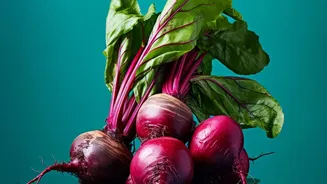
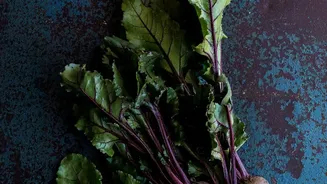
For too long, the vibrant, leafy tops of beets have been treated as little more than packaging for the root vegetable below. Many of us twist them off and send them straight to the compost bin without a second thought. But beet greens are not only edible;
they are a delicious and impressively nutritious leafy green, similar in texture and use to Swiss chard or kale. They have a mildly earthy flavour that is less intense than the beetroot itself. By saving them from the bin, you’re not just getting more value from your purchase; you're also embracing a more sustainable, root-to-leaf approach to cooking that reduces food waste.
A Look at the Nutritional Profile
So, what are you getting when you eat beet greens? In short, a lot of nutritional bang for very few calories. They are an exceptionally dense source of Vitamin K, a nutrient vital for bone health and proper blood clotting. Just one cooked cup provides a significant amount of your daily needs. They are also a great source of Vitamin A, which supports vision and immune function, as well as Vitamin C, a powerful antioxidant. In terms of minerals, beet greens deliver potassium, magnesium, iron, and manganese. When compared to spinach, another popular green, beet greens often contain more Vitamin K and potassium, while spinach may lead in folate and Vitamin A. The bottom line is that both are excellent choices, and rotating them in your diet is a smart strategy.
The Real Health Benefits
This is where we honour the headline's promise: no overstating claims. The nutrients in beet greens contribute to a healthy body in well-understood ways. The high fibre content supports digestive health and can help you feel full. The potassium is important for regulating blood pressure. The collection of antioxidants, including beta-carotene and lutein, helps protect your cells from damage. And like beets themselves, the greens contain natural nitrates that can support healthy blood flow. However, it's crucial to see these benefits in context. Eating beet greens is a fantastic part of a balanced diet, but they are not a magic bullet for any disease. Many of the most dramatic studies on nitrates, for example, used concentrated beetroot juice, not the leaves.
A Note on Oxalates
For the sake of a balanced view, it's worth mentioning oxalates. Beet greens, along with spinach and Swiss chard, are considered high-oxalate foods. Oxalates are natural compounds that can bind to minerals like calcium and, in susceptible individuals, may contribute to the formation of kidney stones. For most people, consuming beet greens in moderation as part of a varied diet is perfectly safe. If you have a history of oxalate kidney stones, it’s wise to speak with a doctor. Cooking can also help; boiling beet greens can reduce their oxalate content by more than half as the compounds leach into the water.
From Market to Your Plate
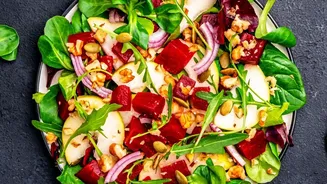
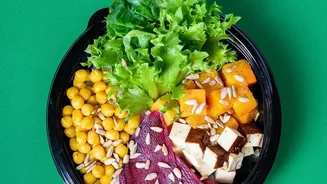
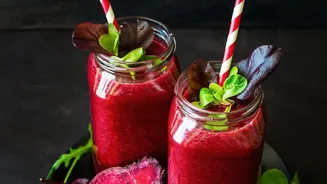
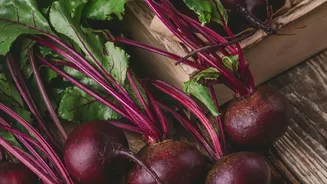
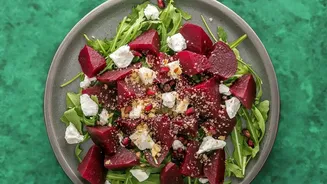
When buying beets, look for greens that are vibrant and fresh, not wilted or yellowing. To store them, separate the leaves from the beetroots as soon as you get home. The leaves pull moisture from the root, causing it to soften. Wash the greens thoroughly to remove any grit, dry them, and store them wrapped in a damp paper towel inside a plastic bag in the refrigerator. They are best used within a few days. The stems are also edible; just chop them finely and cook them for a few minutes before you add the leaves, as they are tougher. Simple sautéing with garlic and olive oil is a classic preparation. You can also wilt them into soups, blend them into smoothies, or use the tender baby leaves raw in salads.