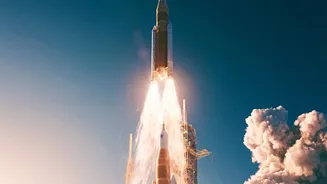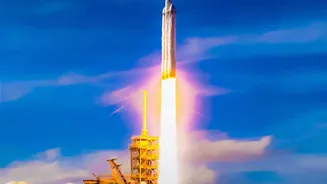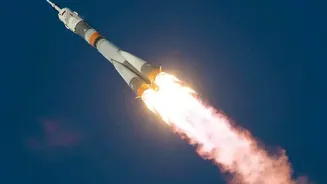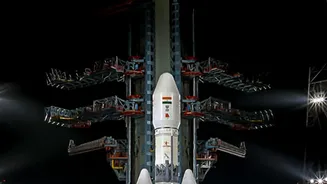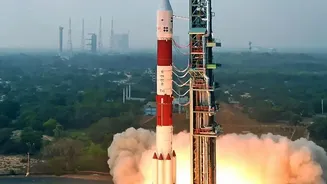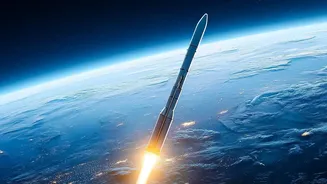





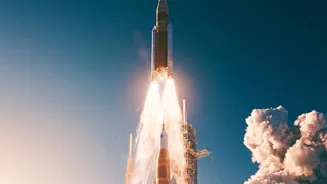
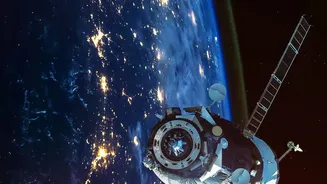
This week, space enthusiasts celebrate World Space Week, but the 'Rocket Revolution' theme is about more than just liftoff. The incredible engineering that sends spacecraft to the stars has a profound, often unseen, impact right here on Earth.
The Great Tech Transfer
When an
agency like ISRO or NASA designs a rocket, it must solve immense challenges related to materials, fuel, navigation, and electronics. The solutions often have applications far beyond the launchpad. This process is called 'technology transfer' or creating 'spinoffs'—innovations developed for space that are adapted for terrestrial use. Since the 1970s, NASA has officially documented over 2,000 such technologies. In India, ISRO has transferred over 400 technologies to various industries, boosting domestic manufacturing and innovation. These spinoffs are not just happy accidents; they are a core part of the return on investment in space exploration, creating jobs and new markets.
From the Launchpad to the Hospital
Some of the most life-changing spinoffs have been in healthcare. Technology developed to monitor astronauts' vital signs in space is now used for remote patient monitoring on Earth. Medical imaging like MRI and CAT scans benefited from digital image processing techniques perfected for analysing lunar landscapes. Even heart surgery has been advanced by space tech; a miniaturised heart pump for patients awaiting a transplant was based on the design of a space shuttle fuel pump. In India, ISRO has transferred technology like a 3D LiDAR camera, originally for space navigation, to the healthcare sector for advanced imaging solutions. These innovations show how the quest to keep astronauts healthy in a hostile environment leads directly to better medical care for everyone.
Innovations in Your Home and Pocket
Many everyday conveniences trace their lineage back to the space race. The camera sensor in your smartphone is a descendant of the miniature, low-power CMOS sensors NASA developed for interplanetary missions. Memory foam, now common in mattresses and shoes, was created for NASA to improve crash protection and cushioning for pilots. Even seemingly simple items like scratch-resistant lenses for glasses came from research into protecting astronaut helmet visors. Cordless tools, including the popular handheld vacuum, were first developed so Apollo astronauts could drill for moon samples. These products demonstrate that solving for extreme conditions in space often leads to more durable and efficient consumer goods.
The Indian Space Dividend
India's own space program has become a powerful engine for national development. Through its commercial arms like IN-SPACe and NSIL, ISRO actively transfers its innovations to Indian industries. For example, ISRO's cost-effective Lithium-Ion battery technology is being transferred to boost the electric vehicle industry. Specialised adhesives developed for bonding solar panels on satellites are now being made in India, reducing reliance on imports. Furthermore, flame-proof coatings created for launch vehicles are now used for wider industrial safety applications. This strategy not only fosters self-reliance under the 'Atmanirbhar Bharat' mission but also empowers Indian startups and small businesses to compete globally with cutting-edge technology developed right here at home.
Protecting the Planet from Above
Rockets are essential for deploying the satellites that are critical to monitoring Earth's health. These eyes in the sky provide the data behind our daily weather forecasts, track pollution, and help us manage natural disasters. The technology transfer extends to environmental solutions on the ground, too. Water purification systems first designed to recycle water for astronauts on long-duration missions are now used in remote areas lacking clean water. Highly efficient solar panels, a necessity for powering spacecraft, have helped drive the renewable energy boom on Earth. Even ethylene scrubbers that keep produce fresh for astronauts in space are now used to reduce food spoilage here. By aiming for the stars, we develop better tools to protect our own planet.