





From the Pacific to the Subcontinent
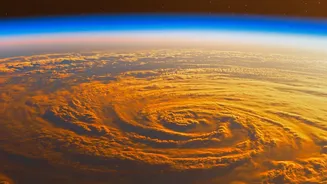
At its core, El Niño is a simple concept: the surface waters of the eastern and central Pacific Ocean become unusually warm. This vast pool of warm water disrupts normal atmospheric circulation patterns across the globe. For India, this disruption is critical.
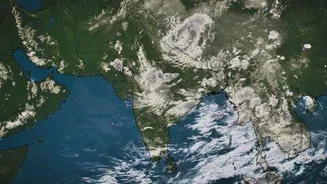
It tends to weaken the trade winds and alter pressure systems that are fundamental to driving the annual southwest monsoon, which delivers about 70% of the country's rainfall. The World Meteorological Organization has warned that a strong El Niño is expected to intensify between August and October 2026, increasing the risk of drier-than-normal conditions across the Indian subcontinent. Forecasts for the 2026 monsoon season already reflect this concern, with predictions of below-normal rainfall.
The Impact on Our Fields and Food
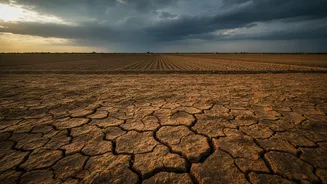
The most immediate and visible casualty of a weakened monsoon is agriculture. Nearly half of India's farmland is rain-fed, making it highly dependent on timely and adequate rainfall for the crucial Kharif sowing season. Crops like rice, pulses, soybeans, and cotton are particularly vulnerable. A deficit in rainfall, like the cumulative 12% below-average figure recorded by early August 2026, can delay sowing, reduce soil moisture, and ultimately shrink crop yields. This directly translates to pressure on food supplies and can lead to a rise in prices for everyday essentials, from vegetables to grains. The Reserve Bank of India has flagged that these erratic monsoon conditions pose a risk to both agricultural output and rural demand, keeping food inflation a key concern.
Straining the Power and Water Supply
The effects of a poor monsoon extend far beyond the farm gate, impacting India's power and water infrastructure. A significant portion of India's electricity is generated by hydropower, which depends entirely on healthy water levels in reservoirs. Lower rainfall means less water in these dams, which can reduce electricity generation and tighten the overall power supply. Simultaneously, a hot and dry season driven by El Niño increases the demand for electricity for cooling in homes and cities. Farmers also consume more power to run irrigation pumps to compensate for the lack of rain, adding another layer of strain on the grid. This dual pressure of reduced supply and increased demand can lead to higher electricity costs for both households and industries.
Not Every El Niño Is a Drought
While the link between El Niño and a poor monsoon is strong, it is not an unbreakable rule. Other climate factors can play a moderating role. One of the most significant is the Indian Ocean Dipole (IOD), a phenomenon involving temperature differences in the Indian Ocean. A 'positive' IOD, where the western Indian Ocean is warmer than the east, can sometimes help boost monsoon rains and counteract the negative effects of El Niño. Forecasts for 2026 suggest a positive IOD is also developing, though its ability to offset a strong El Niño remains uncertain. History shows that not all El Niño years have resulted in severe droughts in India. The intensity of the El Niño and its interaction with other regional weather patterns determine the final outcome, making each event unique.