







The Traditional Alphonso-Led Sprint
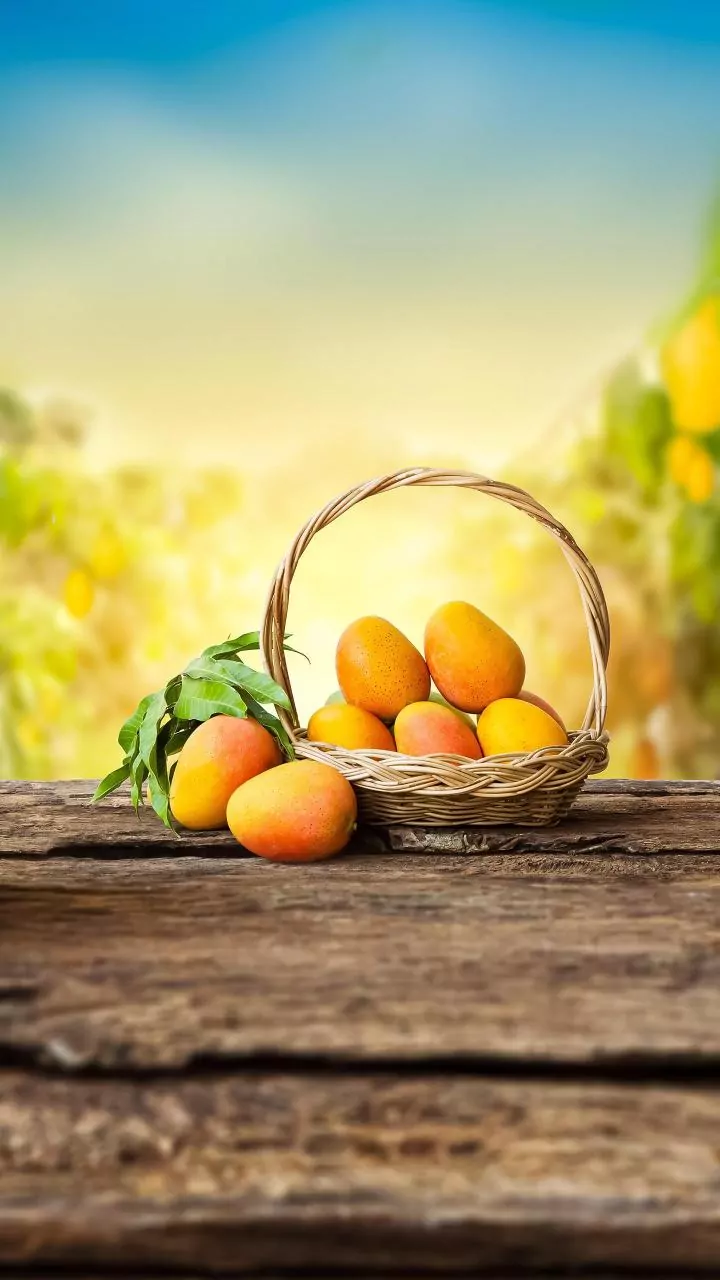
Historically, India's mango export narrative was dominated by a few superstars. Varieties like Alphonso and Kesar, harvested between April and June, commanded premium prices in global markets like the UAE, UK, and USA. The export business was built around
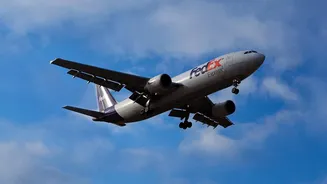
this peak season, with logistics, marketing, and supply chains all optimised for a short, high-value window. Exporters perfected the art of air-freighting these prized mangoes, accepting high transport costs as a necessary evil to deliver the perishable, high-demand fruit. This model relied on a well-understood, if frantic, rhythm: get the best fruit to market as quickly as possible, and then wind down as the monsoon season approached.
A Season on the Stretch
In recent years, that traditional rhythm has changed. The mango export window is getting longer. This extension is driven by a combination of factors, including the commercial cultivation of late-season varieties that are harvested well into July and even August. Varieties such as Neelam and Totapuri are now gaining prominence in export markets. A recent first-ever shipment of these late-season mangoes from Karnataka to the Maldives highlights this new push. This allows India to cater to international demand beyond the peak harvest period for early varieties, turning what was once a three-month sprint into a five or six-month marathon.
The Late-Season Logistics Puzzle
Extending the season isn't as simple as just swapping one mango for another. Late-season varieties present a completely different set of logistical challenges. Unlike the more delicate Alphonso, many late-season mangoes have different characteristics regarding shelf life, firmness, and ripening. This has profound implications for the supply chain. The biggest hurdle is the absolute necessity of a robust, unbroken cold chain. Mangoes are highly sensitive to temperature fluctuations; storage below 10°C can cause chilling injury, while temperatures above 13°C accelerate ripening and spoilage. Each variety has its own optimal temperature—for instance, Alphonso is best kept at 12-13°C, while Langra prefers 15°C. This requires exporters to manage variety-specific temperature protocols, a level of complexity not required when dealing with a single, dominant variety.
From Air Freight to Smart Logistics
The high cost of air freight, which can account for 50-60% of the total export price, is unsustainable for the larger volumes and lower per-unit prices of many late-season varieties. This is forcing a strategic shift towards sea freight, which is significantly cheaper but requires much more sophisticated planning. Shipping by sea involves transit times of 15-40 days, making post-harvest handling and cold chain management absolutely critical. Success depends on pre-cooling the fruit within hours of harvest, using controlled atmosphere (CA) storage to slow ripening, and employing IoT sensors to monitor temperature in real-time during transit. Exporters must now be experts not just in sourcing fruit, but in managing a complex, technology-driven logistics network to ensure mangoes arrive in perfect condition weeks after leaving the farm.
A New Chapter for Indian Mangoes
This operational shift represents a significant opportunity. While India is the world's largest mango producer, it exports less than 1% of its total crop, in part due to logistical constraints and high post-harvest losses. By developing the infrastructure and expertise to handle a longer, more diverse season, exporters can tap into new markets and consumer segments. Late-season varieties like Totapuri, valued for processing, and Neelam, prized for its sweet pulp, open up different revenue streams beyond the premium fresh fruit market. As APEDA's recent initiatives show, promoting these varieties helps diversify India's export basket and provides higher returns for farmers who can now supply markets long after the Alphonso season has ended.