





The Problem with Dry Dusting
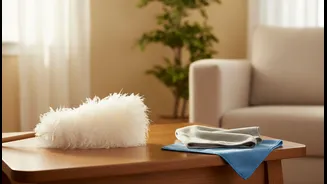
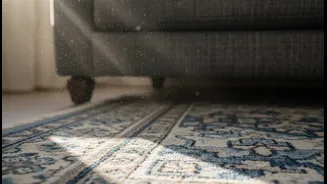
Traditionally, many of us reach for a dry cloth or a feather duster. While it provides a temporary sense of cleanliness, this method often does more harm than good. Dry dusting tends to stir up fine particles—like skin cells, pollen, and pet dander—sending
them airborne. These allergens don't disappear; they simply float around before resettling on the very surfaces you just cleaned, as well as on floors and furniture. Instead of removing the dust, you are often just relocating it.
Why Damp Dusting is Superior
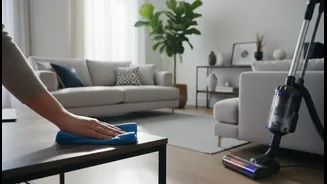
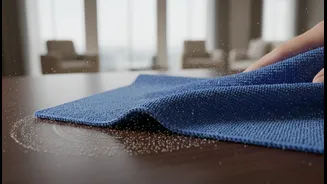
Damp dusting is the practice of using a lightly moistened cloth to clean surfaces. The science behind its effectiveness is simple: the moisture on the cloth gives it the power to trap and hold onto dust particles. Rather than scattering dust into the air, the damp cloth lifts it away entirely. This is a significant benefit for everyone, but especially for those who suffer from allergies or asthma, as it dramatically reduces the number of airborne irritants in your home. A damp cloth can also help loosen light grime that a dry cloth would simply glide over, resulting in a deeper, more thorough clean.
Your Simple Toolkit
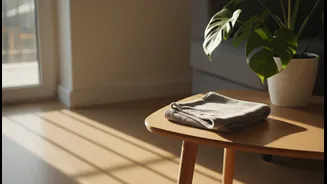
You don't need an arsenal of expensive products to master damp dusting. The essentials are likely already in your home. A high-quality microfiber cloth is your best tool; its fine fibers are exceptionally good at grabbing and holding dust. Plain water is often all you need to moisten the cloth. A spray bottle can help you achieve the perfect level of dampness without oversaturating the cloth. For certain surfaces, a mild, diluted all-purpose cleaner can be used, but water is usually sufficient. Avoid old t-shirt rags or paper towels, which can leave lint behind.
The Correct Technique
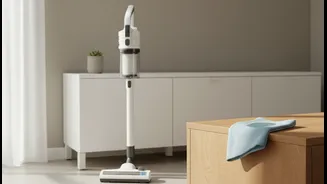
The key to successful damp dusting is in the details. First, always dust from the top of the room down. Start with ceiling fans, the tops of bookshelves, and picture frames, allowing any dislodged dust to fall onto surfaces you have yet to clean. Second, ensure your cloth is damp, not wet. It should feel cool to the touch but not leave behind visible water streaks. Too much water can turn dust into a muddy paste or even damage delicate surfaces. Use smooth, even strokes and fold your cloth to a clean section as you go. Once a side is soiled, rinse the cloth thoroughly before continuing. Finally, always vacuum the floors after dusting to pick up any particles that may have fallen.
Adapting to Different Surfaces
While damp dusting is versatile, some surfaces require extra care. It is highly effective on baseboards, blinds, window sills, and air vents. When it comes to electronics, it's safer to use a dry microfiber cloth to avoid any risk of water damage. For delicate or unsealed wood furniture, be cautious. A cloth that is too wet can leave water marks, so ensure it is only very lightly dampened. The goal is to collect dust, not to saturate the surface. For most hard, sealed surfaces in your home, from countertops to shelves, damp dusting provides a superior clean.