




The Fibre Showdown By Numbers
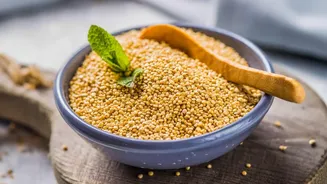
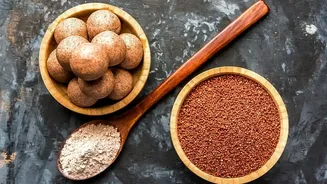
When comparing raw, uncooked grains, the numbers can vary between sources, but a general trend emerges. Per 100 grams, ragi (finger millet) boasts a significant amount of dietary fibre, with data from the Indian Council of Medical Research (ICMR) showing
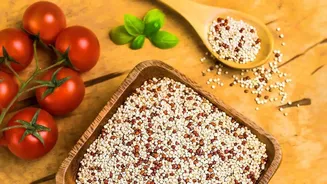
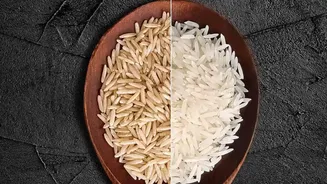
around 11.2 grams. Some sources even report higher values. In contrast, uncooked quinoa contains about 7 grams of fibre per 100g. However, another analysis comparing the two directly shows uncooked quinoa having more fibre at 14.7g versus ragi's 11.2g. When cooked, 100 grams of quinoa provides about 2.8 to 5.2 grams of fibre. The key takeaway is that both are excellent fibre sources, far superior to refined grains like white rice, but ragi often has a strong standing, especially in its whole grain form.
Understanding Soluble vs. Insoluble Fibre
Not all fibre is created equal. Dietary fibre is broadly split into two categories: soluble and insoluble, both of which are vital for health. Soluble fibre dissolves in water to form a gel-like substance. This process helps slow down digestion, which can regulate blood sugar levels and lower 'bad' LDL cholesterol. Insoluble fibre, often called 'roughage,' does not dissolve in water. Instead, it adds bulk to stool, promoting regular bowel movements and preventing constipation. Most plant-based foods, including ragi and quinoa, contain a mix of both types.
Ragi’s Fibre Profile and Benefits
Ragi is particularly celebrated for its high fibre content, which is predominantly insoluble. This makes it an excellent grain for promoting digestive health and ensuring regularity. The fibre, combined with polyphenols found in the millet, helps slow down nutrient absorption. This leads to a slower release of sugar into the bloodstream, giving ragi a relatively low glycaemic index. This quality makes it a highly recommended grain for individuals managing diabetes or seeking sustained energy release without the sharp spikes associated with refined carbs.
Quinoa's Unique Contribution
Quinoa's fibre also plays a significant role in its health benefits, contributing to digestive wellness and appetite management. The combination of fibre and high-quality protein in quinoa makes you feel fuller for longer, which can be beneficial for weight management. Like ragi, quinoa acts as a prebiotic, providing fuel for beneficial gut bacteria and supporting a healthy gut microbiome. Its fibre helps slow digestion, which can assist in preventing sharp blood sugar spikes. While its fibre content is impressive, quinoa’s main claim to fame is being a complete protein, containing all nine essential amino acids—a rare trait in plant-based foods.
Beyond Fibre: A Holistic View
While fibre is the focus, a broader nutritional comparison is essential. Ragi is a powerhouse of calcium, containing significantly more than almost any other cereal—around 344mg per 100g. This makes it exceptional for bone health. Quinoa, on the other hand, is the clear winner on protein, offering about 13-14g per 100g compared to ragi's 7-8g. Quinoa also generally has higher levels of iron, folate, and healthy fats. Therefore, the 'better' grain depends on your specific nutritional needs. If bone health and blood sugar regulation are your priority, ragi is an outstanding choice. If you’re focused on plant-based protein intake, quinoa has the edge.
Making the Right Choice for You
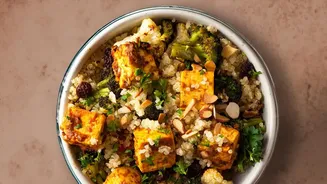
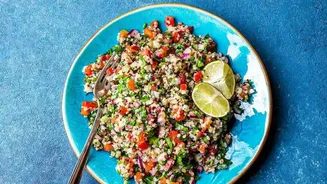
Ultimately, you don't have to choose just one. Both ragi and quinoa are gluten-free powerhouses that can elevate your diet. Ragi is a local, affordable, and sustainable grain that fits seamlessly into Indian cooking, from rotis and porridges to dosas. Its high calcium and fibre content address common nutritional gaps. Quinoa offers superior protein quality and is incredibly versatile for salads, pulaos, and breakfast bowls. For a balanced approach, consider your health goals, budget, and culinary preferences. Incorporating a variety of whole grains, including both ragi and quinoa, is the best strategy for a well-rounded, nutrient-rich diet.