





The Power of the Hip Hinge
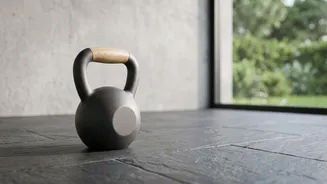
At its core, a swing is a dynamic hip hinge exercise. While often associated with kettlebells, the fundamental movement can be done with a dumbbell or even a resistance band. The power for the swing comes not from the arms, but from an explosive forward
thrust of the hips, primarily engaging the posterior chain: the glutes, hamstrings, and lower back. This makes it an exceptional exercise for building strength and explosive power. Because the movement is continuous and fast-paced, it also elevates the heart rate, providing significant cardiovascular benefits in a short amount of time. A proper swing feels like a spring coiling and uncoiling, generating momentum to float the weight up to chest height without any help from the arms.
For Beginners: Master the Movement
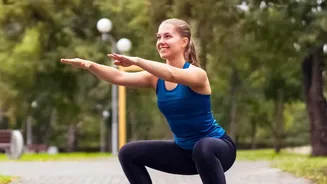
If you are new to swings, your primary goal is to master the hip hinge, not lift heavy. The most common beginner mistake is squatting the weight instead of hinging. To learn the difference, practice pushing your hips straight back as if trying to close a car door with your glutes, keeping your back flat and chest up. Start with a 'dead stop' swing, where you reset on the floor after each rep. This removes momentum and forces you to focus on generating power from your hips with each individual swing. Using a lighter weight allows you to perfect your form without risking injury. You can even start without any weight to simply groove the movement pattern. Remember, the arms are just relaxed guides; the hips are the engine.
Common Mistakes to Avoid
Proper form is crucial to prevent injury and get the most out of the exercise. The most frequent error is using the arms and shoulders to lift the weight, which can cause strain. Another common issue is rounding the back instead of keeping it flat, which puts dangerous pressure on the spine. A third mistake is hyperextending the back at the top of the swing. You should finish in a strong, tall standing plank position, squeezing your glutes and abs, not leaning back. If you feel pain in your lower back, it's a sign that your form is off—likely that you are not hinging properly or are using a weight that is too heavy.
For Advanced Movers: Add Complexity
Once you have mastered the two-handed swing, there are numerous ways to increase the challenge. The most straightforward progression is to increase the weight of the kettlebell. From there, you can move to single-arm swings, which introduce a new stability challenge for your core as it fights to prevent rotation. This unilateral loading is fantastic for building functional core strength. Other variations include the hand-to-hand swing, where you pass the kettlebell from one hand to the other at the peak of the swing, which further challenges your timing and coordination. You can also try staggered stance swings or walking swings to change the dynamic and engage different stabilizing muscles.
Beyond the Kettlebell
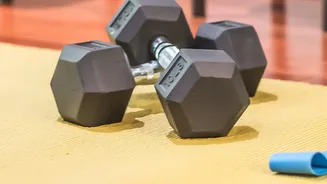
No kettlebell? No problem. The swing is a movement pattern, not just a kettlebell exercise. You can perform effective swings using a single dumbbell held vertically by the head. This offers a slightly different grip but works the same muscles and provides similar benefits. A dumbbell swing is an excellent substitute, especially for beginners, as the neutral grip can be more comfortable for some. Resistance bands can also be used to practice the hip hinge and explosive finish, making them a great tool for learning the movement or for when you are traveling and don't have access to weights. The key is always the explosive hip drive, regardless of the tool you use.