
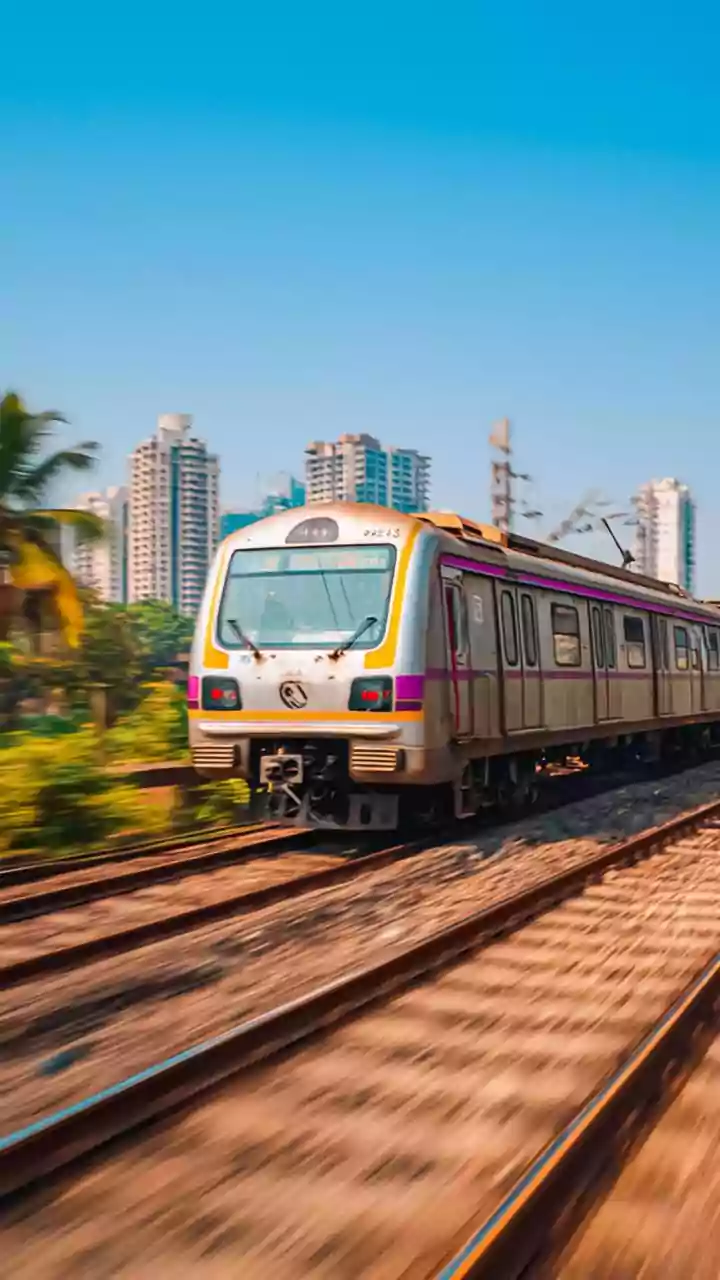




Understanding the 'Fast' Service
The headline refers to a new 'fast' service on the Delhi-Meerut Regional Rapid Transit System (RRTS) corridor, not a brand-new route. These additional services are designed to help passengers during morning and evening peak hours by skipping several stops.
Unlike the regular Namo Bharat trains that halt at all operational stations, these new services will only stop at five specific stations: Sarai Kale Khan, Anand Vihar, Ghaziabad, Begumpul, and Modipuram. This significantly reduces the journey time for commuters travelling between these major hubs. NCRTC has introduced eight such services, running during peak hours to ease the rush and provide a quicker alternative for long-distance passengers on this busy corridor. Passengers are advised to check display boards and listen to announcements to distinguish between the regular and the new limited-stop trains.
The Five Key Stations
The five stations chosen for this limited-stop service are strategic points along the 82-km corridor, which became fully operational in February 2026. 1. Sarai Kale Khan: This is the starting point in Delhi and a major multi-modal hub, connecting the RRTS with the Delhi Metro's Pink Line, the Hazrat Nizamuddin railway station, and the Vir Haqiqat Rai ISBT. 2. Anand Vihar: Another critical transit hub in Delhi, this station integrates the Namo Bharat line with the Delhi Metro's Blue and Pink Lines, a railway station, and two major interstate bus terminals. 3. Ghaziabad: A key station in Uttar Pradesh, it serves a densely populated area and is planned as an interchange for future RRTS corridors to Khurja and Hapur. 4. Begumpul: Located underground in Meerut, this is a vital station for local city travel and provides connectivity to major commercial areas like Abu Lane and Lal Kurti Market. 5. Modipuram: The terminal station in Meerut, it serves residential societies and rural areas in the northern part of the city. Both Namo Bharat regional trains and local Meerut Metro services are available here.
What are Namo Bharat Trains?
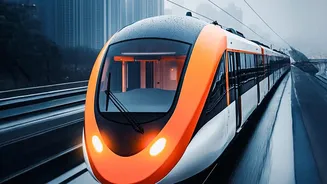
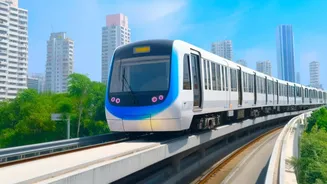
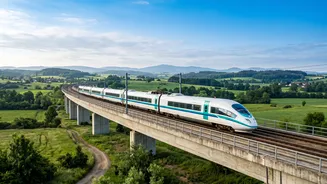
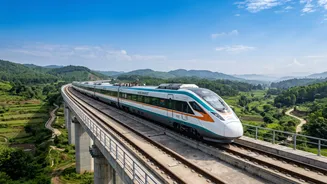
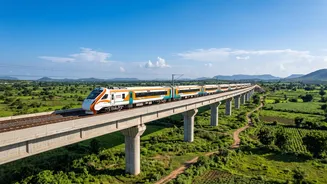
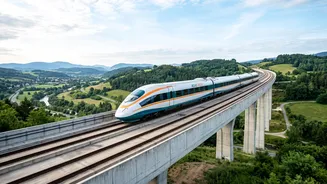
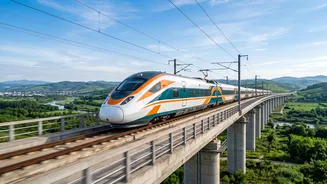
Namo Bharat trains are the backbone of India's first RRTS, a semi-high-speed rail system designed to connect major urban centres in the National Capital Region (NCR). With a design speed of 180 km/h and an operational speed of 160 km/h, they are India's fastest surface transit option, drastically cutting travel times that can take hours by road. The entire 82.15 km Delhi-Ghaziabad-Meerut journey can be completed in under an hour. The trains, manufactured in India, feature modern amenities like air-conditioned coaches, ergonomically designed seats, mobile charging points, and a premium class coach with extra comfort. The system uses advanced signalling and grade-separated tracks to ensure safety and high-speed efficiency.
Impact on Commuters: Time, Fares, and Frequency
The introduction of these fast services has a direct impact on daily travellers. The journey from Anand Vihar to Ghaziabad now takes just eight minutes, while Anand Vihar to Begumpul can be covered in 36 minutes. These time savings are crucial for thousands of people who commute for work and education. Regular Namo Bharat services continue to operate at a frequency of about 10 minutes, ensuring that passengers going to other stations are not affected. Fares for the corridor remain the same for now, with prices for a standard coach journey ranging from ₹20 to ₹210 for the full route from Sarai Kale Khan to Modipuram. A premium coach ticket costs approximately 20% more. The new fast trains operate in the morning at 8 am and 8:30 am, and in the evening at 6 pm and 6:30 pm from both ends of the corridor.
The Bigger Picture for NCR
The Delhi-Meerut corridor is just the first of several planned RRTS routes intended to transform regional connectivity in the NCR. The NCRTC is already in advanced stages of planning for other corridors, including Delhi-Panipat-Karnal and Delhi-Gurugram-Alwar. The Sarai Kale Khan station is envisioned as a central convergence point for these future lines, allowing for interoperable services where a commuter could travel from one corridor to another without changing trains. The success and ridership of the Delhi-Meerut line, which already sees over 100,000 passengers daily, will serve as a blueprint for this ambitious expansion. By offering a reliable, safe, and fast alternative to road travel, the Namo Bharat network aims to reduce traffic congestion, curb pollution, and fuel economic development across the region.