





A Scar Bigger Than the Colosseum
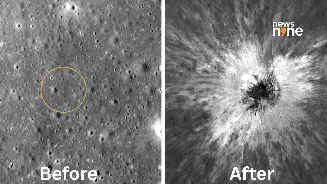
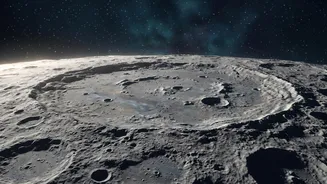
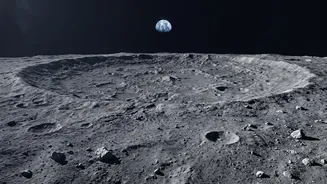
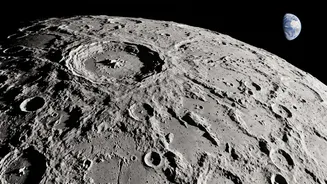
Scientists have discovered a massive new crater on the Moon, the result of a powerful impact that occurred in May 2024. The gaping hole measures approximately 728 feet across and up to 141 feet deep, making it larger than the Roman Colosseum and the biggest
known impact crater formed in the solar system in recent times. The event was so significant that researchers estimate a strike of this magnitude only happens about once every 132 years, providing a rare opportunity to study the fallout from such a collision. The impact was powerful enough to churn up the lunar surface for more than 66 miles around the site.
Cosmic Detective Work
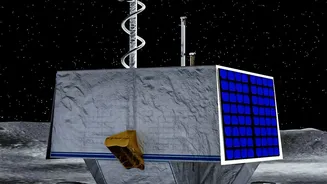
The discovery was made by NASA's Lunar Reconnaissance Orbiter (LRO), a spacecraft that has been circling and mapping the Moon since 2009. The LRO captured initial images of the crater shortly after it was formed by a fragment of an asteroid or comet, but the feature wasn't immediately identified. It was only in August 2025, over a year later, that the crater was flagged within the immense crush of data the LRO sends back to Earth. After the initial finding, the spacecraft was tasked with gathering more detailed pictures last fall, with scientists confirming the major discovery earlier this year.
How Did It Go Unnoticed?
Despite its power, the lunar strike completely escaped real-time detection by telescopes both on Earth and in space. Unlike impacts on Earth, which can produce dramatic fireballs in the atmosphere, a strike on the airless Moon is a silent event unless directly observed. The sheer volume of data being collected by orbital probes like the LRO means that significant features can sometimes be hidden in plain sight, awaiting careful analysis to be found. This retroactive discovery highlights the challenge and importance of continuously monitoring the vast amount of information sent back by our robotic explorers.
A Treasure Trove of Information
This new feature, named the McGetchin crater after a former director of the Lunar and Planetary Institute, is more than just a scar on the surface. It provides a unique natural laboratory for what happens when a significant object hits the Moon. Analysis shows the impact blasted dust and rocky soil away at a higher angle than scientists expected. Furthermore, the event created a four-mile-wide cold spot around the crater, which is consistent with the top layer of lunar soil, or regolith, being loosened and churned up. This process, sometimes called 'gardening,' reveals fresh material from below the surface and helps scientists understand the Moon's geology and history.
What It Means for the Future
Discoveries like this are crucial as NASA prepares to send astronauts back to the Moon under the Artemis program, with the eventual goal of building a base. Understanding the frequency and effects of impacts, even those that go undetected in real-time, is vital for ensuring the safety of future lunar inhabitants and hardware. The find also reinforces just how dynamic and active the lunar surface is. Data from the LRO suggests the top inch of the Moon's soil is being overturned by impacts every 80,000 years, a much faster rate than previously thought. This once-in-a-lifetime observation offers invaluable data for planning humanity's next steps on our celestial neighbor.