




Lean on Plant-Based Proteins
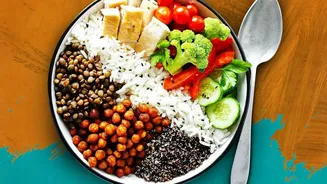
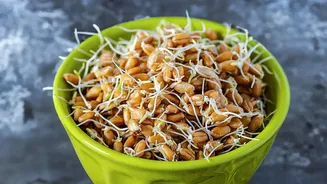
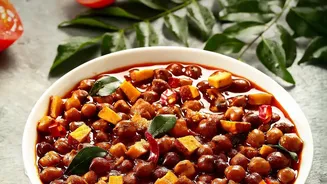
When it comes to getting the most protein for your rupee, India's own pantry staples are your best friends. Pulses like dal, chana (chickpeas), and rajma (kidney beans) are nutritional powerhouses, offering a fantastic combination of protein and fibre
that keeps you full for longer. Soya chunks are another incredibly affordable option, delivering one of the highest amounts of protein per gram. Incorporating these into your daily meals is a simple and effective strategy. A filling dal for lunch, a rajma curry for dinner, or a simple snack of roasted chana can significantly boost your protein intake without stretching your budget. Unlike expensive supplements, these ingredients are versatile and form the base of countless traditional Indian dishes.
Embrace Seasonal and Local Fibre
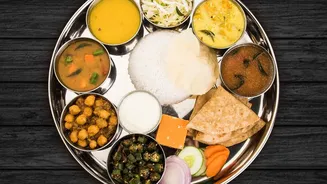
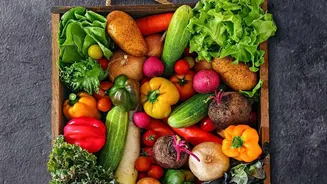
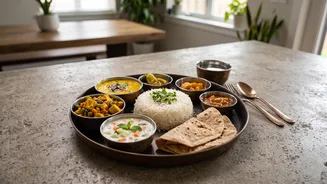
For a fibre-rich diet that is also economical, look no further than your local sabzi mandi. Seasonal fruits and vegetables are not only fresher and more nutritious, but they are also significantly cheaper because they are in abundant supply and have lower transport costs. Instead of seeking out expensive, imported 'superfoods' like quinoa or avocados, focus on local heroes like millets (jowar, bajra, ragi), leafy greens like spinach, and seasonal vegetables like carrots in the winter or bottle gourd in the summer. A simple vegetable khichdi or a roti made from whole wheat or millet flour paired with a seasonal sabzi is a complete, fibre-rich meal.
Master the Art of Smart Shopping
How you shop is as important as what you buy. One of the most effective ways to control costs is to plan your meals for the week. This allows you to create a precise shopping list, helping you avoid impulse buys that inflate your bill. When you're at the store, buy non-perishable staples like rice, dals, and flour in bulk if you have the storage space, as the per-unit cost is often much lower. However, for fresh produce, weekly trips to a local market are better than relying on supermarkets, which often have higher markups. And a timeless piece of advice: never go grocery shopping when you're hungry. You are far more likely to make unplanned purchases.
Cook Once, Eat Twice (or Thrice)
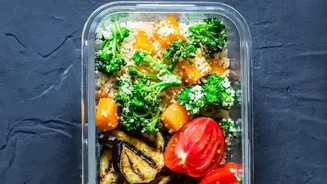
Batch cooking is a game-changer for saving both time and money. Cooking a large pot of dal or chana on the weekend can be repurposed for several meals during the week. For instance, a simple dal can be enjoyed with rice one day, and the leftovers can be used as a filling for parathas the next day. Similarly, boiled chickpeas can be used in a curry and later in a salad or chaat. This strategy not only makes your weekdays easier but also significantly reduces food waste, which is another form of saving money. By using everything you buy, you ensure your grocery budget is being used as efficiently as possible.
Keep Meals Interesting Without Adding Cost
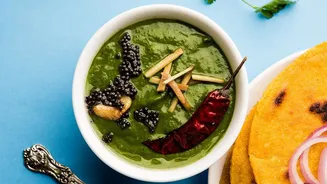
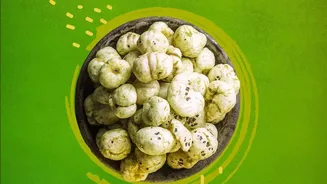
Eating on a budget doesn't have to be boring. Variety can be achieved not just through different ingredients but also through different preparation methods and the creative use of spices. Your masala dabba is key to transforming simple ingredients. A basic potato and onion sabzi can taste completely different depending on whether you use panch phoran or pav bhaji masala. Learning to make different base gravies, like a simple tomato-onion masala, allows you to create a wide range of dishes using the same core vegetables and proteins. Don't underestimate homemade snacks either. A bowl of roasted makhana or peanuts is a healthier and cheaper alternative to packaged snacks.