







The Monsoon's Gift and Its Risks
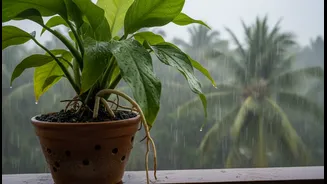
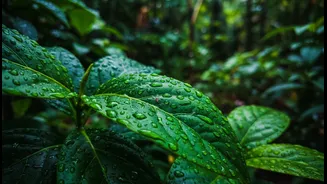
The Indian monsoon is a blessing for gardeners. Rainwater is naturally soft, slightly acidic, and nitrogen-rich, which plants love. It cleans dust from leaves, allowing for better photosynthesis and giving plants a vibrant, healthy sheen. For plants in open-air
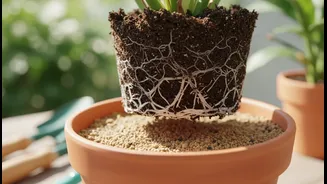
gardens, terraces, or window boxes directly exposed to the sky, the rains often provide all the moisture they need. However, this abundance comes with a significant risk: overwatering. The primary danger during this season is not lack of water, but an excess of it. When soil becomes waterlogged, it cuts off oxygen to the roots, leading to suffocation and root rot, a condition that can quickly kill a healthy plant. Common mistakes include sticking to a pre-monsoon watering schedule and using dense soil that doesn't drain well.
The Covered Balcony Blind Spot
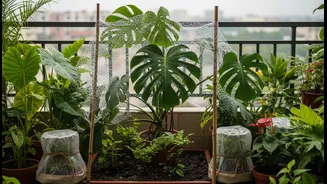
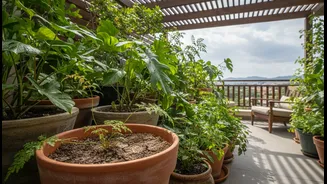
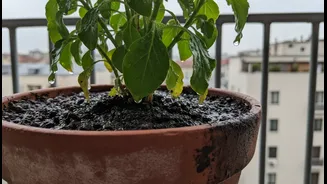
While gardeners with open plots worry about their plants drowning, those with covered balconies face the opposite problem. Plants tucked under a roof or awning are shielded from the rain and can be easily forgotten. The assumption that the humid, rainy atmosphere is enough to water them is a frequent mistake. While high humidity does reduce the rate at which soil dries out, it doesn't eliminate the need for watering altogether. Plants on covered balconies are entirely dependent on you for moisture, and neglecting them can lead to them drying out, even as it pours just a few feet away. This is especially true for plants in porous terracotta pots, which dry out faster than plastic ones.
The Finger Test: Your Best Tool
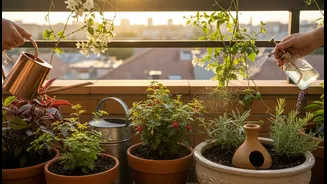
So, how do you know when to water? The answer is simple and low-tech: the finger test. Before reaching for your watering can, stick your index finger about an inch or two into the soil. If the soil feels dry at that depth, it's time to water. If it feels moist, hold off and check again the next day. This single habit is the most reliable way to prevent both overwatering and underwatering, regardless of the season. During the monsoon, you'll likely find that you need to water your covered balcony plants less frequently than in the dry summer months, but they will still need a drink periodically. Never water on a fixed schedule; always let the soil be your guide.
Signs of Water-Related Stress
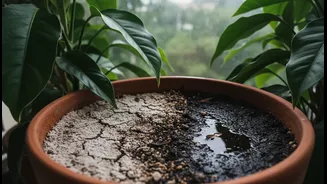
Plants are excellent communicators. Yellowing leaves can be a sign of both overwatering and underwatering, making it a tricky symptom. However, with overwatering, leaves often feel soft and limp, and the plant may wilt even when the soil is wet. You might also notice mould on the soil surface or a musty smell from the pot, indicating root rot. In contrast, an underwatered plant's leaves will typically feel dry and crispy, and the soil will pull away from the edges of the pot. Wilting in an underwatered plant will be accompanied by bone-dry soil. Paying close attention to these signals, in combination with the finger test, will help you diagnose the problem accurately.
Monsoon Care Beyond Watering
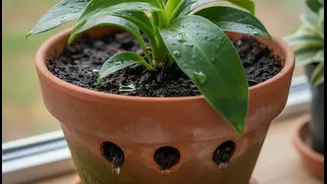
A healthy monsoon garden requires more than just correct watering. Good drainage is non-negotiable for all potted plants. Ensure every pot has drainage holes and consider placing them on stands to prevent them from sitting in trays of collected water. The high humidity also creates a perfect breeding ground for pests and fungal diseases. Improve air circulation by avoiding overcrowding your plants and pruning any dense or dead foliage. It's also a good idea to periodically inspect your plants, especially the undersides of leaves, for common monsoon pests like mealybugs and aphids. Finally, reduce fertilizing during this time. Heavy rains can wash nutrients away, and waterlogged roots can't absorb them effectively anyway. Opt for light, organic options like vermicompost during dry spells.