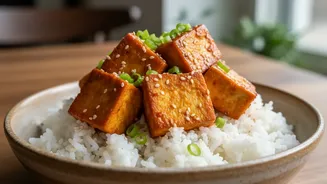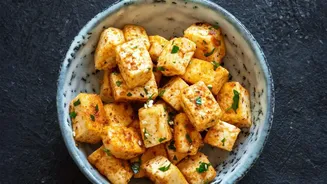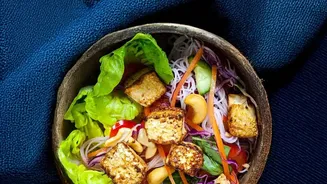



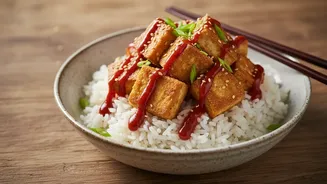
The Common Mistake With Saucy Tofu
Many home cooks, in a bid to save time, will toss cubed tofu directly into a pan with a wet marinade or sauce. The result is often disappointing: the tofu simmers and steams instead of frying, leading to a soft, sometimes spongy texture. The problem lies
in the tofu's high water content. When you add it to a liquid-based sauce from the start, it never gets the chance to develop a crispy exterior. The surface becomes waterlogged, preventing the Maillard reaction—the chemical process that creates that desirable golden-brown crust and complex flavour. Essentially, you're boiling it, not frying it. Even a pre-made sauce can have enough water to sabotage your texture goals.
The Secret to Supreme Crispiness: Preparation is Key
Achieving a truly crispy tofu starts long before it hits the pan. The first and most crucial step is removing as much moisture as possible. For this, you’ll want to use firm or extra-firm tofu, as softer varieties will fall apart. Pressing the tofu is non-negotiable for crispiness. Wrap the block in paper towels or a clean kitchen towel, place it on a plate, and put something heavy on top—like a cast-iron skillet or a few books—for at least 15-20 minutes. You'll be surprised how much water is released. For an even better texture, some chefs recommend freezing and then thawing the tofu before pressing, which creates more porous pockets that crisp up beautifully. Once pressed, tear the tofu into bite-sized pieces instead of cutting it. The rough, uneven surfaces have more surface area, which allows them to get significantly crispier than the clean edges from a knife.
Achieving the Perfect Golden-Brown Crust
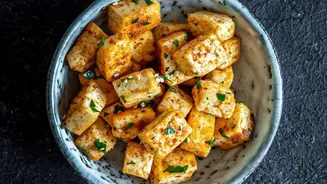
With your tofu pressed and torn, the next step is the coating. A light dusting of cornstarch or potato starch is the secret weapon for a shattering crust. This starch coating acts as a dehydrating agent, drawing out the last bits of surface moisture and forming a barrier that crisps up when heated. Toss the tofu pieces in just enough cornstarch to lightly coat them. Then, heat a neutral oil in a non-stick skillet over medium-high heat. Ensure the pan is hot before adding the tofu; this creates an immediate sear rather than letting the tofu absorb oil and become greasy. Place the tofu in a single layer, ensuring not to overcrowd the pan, and cook for several minutes per side without moving it too much. Patience is rewarded with a deep, golden-brown crust.
Enter Gochujang: Fermented, Fiery, and Sweet
This is where gochujang comes in. Gochujang is a staple Korean condiment made from red chili powder, glutinous rice, fermented soybeans, and salt. Its flavour profile is a complex and magical blend of spicy, savoury, and slightly sweet, with a deep umami backbone from the fermented soybeans. This complexity makes it the perfect partner for the now-crispy, neutral-flavoured tofu. Unlike a simple hot sauce that just brings heat, gochujang brings a whole symphony of flavours that can turn a simple dish into something extraordinary. Its thick, paste-like consistency is also ideal for creating a glaze that clings to food rather than making it soggy.
The Art of the Glaze: Timing is Everything
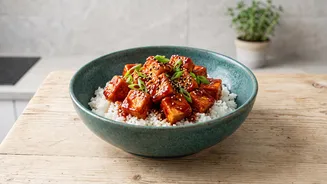
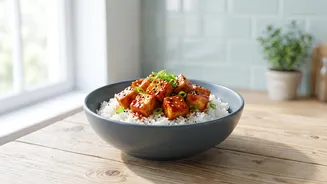
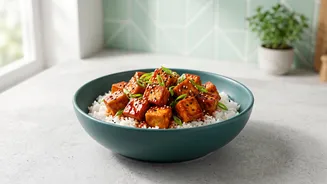
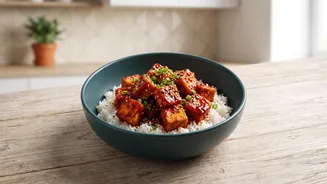
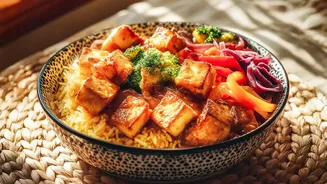
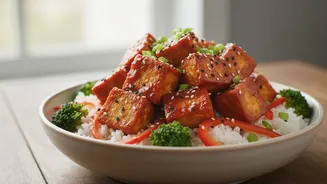
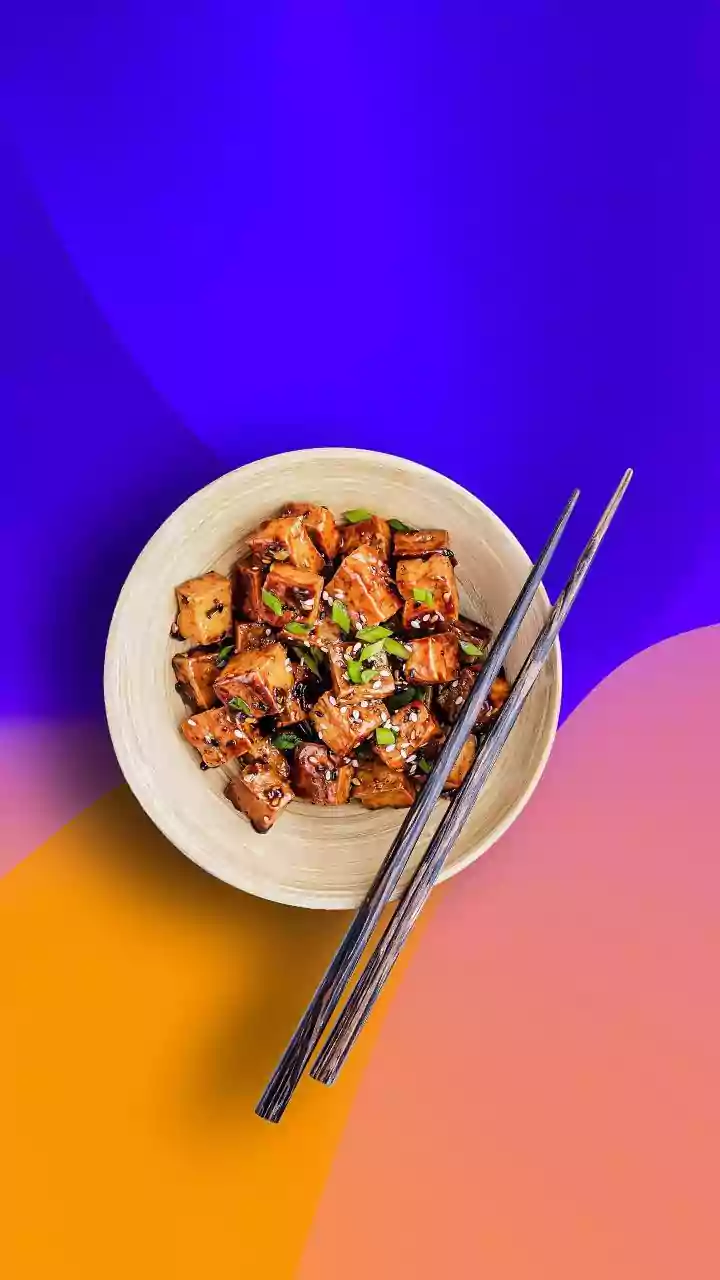
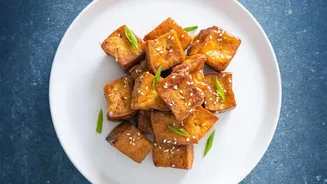
Here is the most critical part of the process: do not add the crispy tofu back into a watery sauce. The goal is to coat, not to cook. First, prepare your gochujang sauce. A simple mixture might include gochujang, soy sauce, a little rice vinegar, sesame oil, and a touch of honey or maple syrup for balance. Once the tofu is crisped and set aside, you can quickly heat the sauce in the same pan. Let it bubble and thicken for a minute or two until it becomes a glossy glaze. Only then should you return the hot, crispy tofu to the pan. Toss it quickly for just 10-15 seconds—enough to coat every piece in the sticky, flavourful sauce without allowing the crust to absorb moisture and soften. The heat from the tofu will help the glaze adhere perfectly.