




An 18-Year Absence
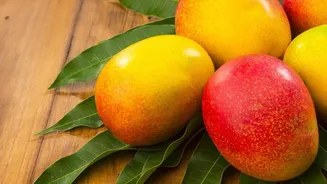
For nearly two decades, the world-renowned Indian mango was forbidden fruit in the United States. In 1989, the US Department of Agriculture (USDA) banned their import, citing concerns over agricultural pests like the fruit fly. Officials feared these
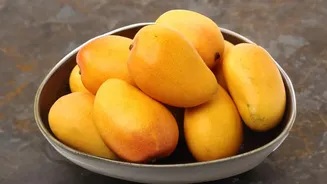
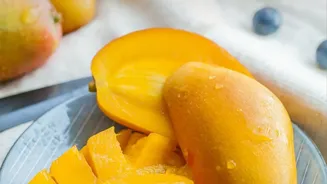
pests could potentially devastate American crops. This meant that for generations of Indian Americans and food lovers, the taste of a fresh Alphonso or Kesar mango remained a distant memory or an expensive, suitcase-smuggled treasure. The ban was a persistent, low-level irritant in trade relations, a symbol of regulatory hurdles that kept one of India's most beloved cultural exports out of a major market.
A Presidential Push
The dynamic shifted during President George W. Bush's visit to India in March 2006. Amid complex negotiations on a historic civil nuclear deal, the mango made a surprising cameo. President Bush, after reportedly tasting an Alphonso, famously called it a "hell of a fruit." This personal endorsement elevated the mango from a mere agricultural product to a potent symbol of warming ties between the two nations. Both President Bush and then-Prime Minister Manmohan Singh publicly referenced the mango issue, signaling a top-down commitment to resolving the long-standing trade barrier. The 'King of Fruits' had officially become a tool of diplomacy.
The Harley-Davidson Quid Pro Quo
Getting Indian mangoes back into the US wasn't just about presidential goodwill; it was about old-fashioned trade negotiation. The breakthrough came as part of a classic quid pro quo. In exchange for the US opening its market to Indian mangoes, India agreed to allow the import of iconic Harley-Davidson motorcycles. At the time, India had its own barriers, with strict emission norms and high tariffs effectively keeping the large-engine American bikes out. The deal was straightforward: if India wanted to export its prized fruit, it had to welcome America's famous motorcycles. This 'mangoes for motorcycles' swap became the cornerstone of the agreement, a tangible give-and-take that both sides could present as a victory.
The Sweet Taste of Success
Following the 2006 announcement, the wheels of regulation began to turn. The solution to the pest problem was scientific: India agreed to treat the US-bound mangoes with a specific form of irradiation at a certified facility to ensure they were pest-free. In April 2007, the first commercial shipment of Indian mangoes in 18 years landed at JFK International Airport to considerable fanfare. Publications called it the “most eagerly anticipated fruit delivery ever.” The arrival of varieties like Alphonso and Kesar was celebrated by US officials and the Indian diaspora alike, hailed as a concrete result of the improved bilateral relationship. What started as a diplomatic talking point had finally resulted in a delicious reality for consumers.
The Legacy of Mango Diplomacy
The 2006 mango deal is now remembered as a classic case study in 'gastrodiplomacy'—using food to achieve diplomatic goals. It demonstrated how a culturally significant product could be used as a sweetener in complex international negotiations, humanizing trade talks and creating a positive narrative. The exchange did more than just open markets; it symbolized a new level of trust and partnership between India and the US, moving beyond historical friction. While the volume of mangoes exported to the US remains a fraction of India's total production, the story of how they got there remains a powerful example of how even the most challenging trade disputes can sometimes find a sweet resolution.