

A Beloved Classic Meets a Modern Craze
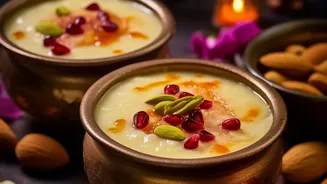
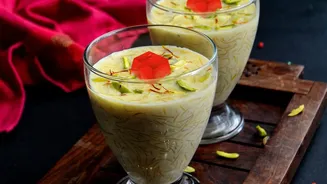
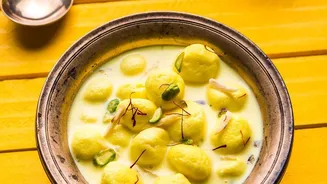
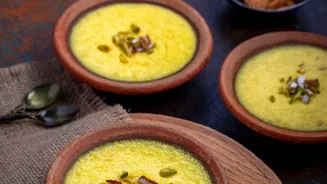
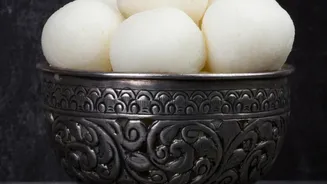
Rasmalai needs little introduction. It is a cornerstone of Indian desserts, cherished for its delicate, sophisticated profile. Soft, spongy discs of chenna (an Indian cottage cheese) are gently poached and then submerged in a rich, sweetened milk—the
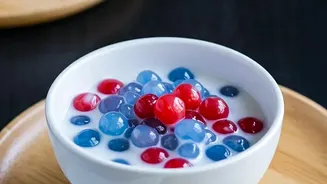
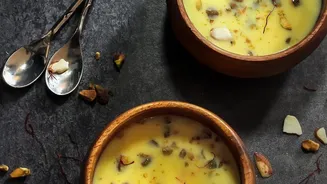
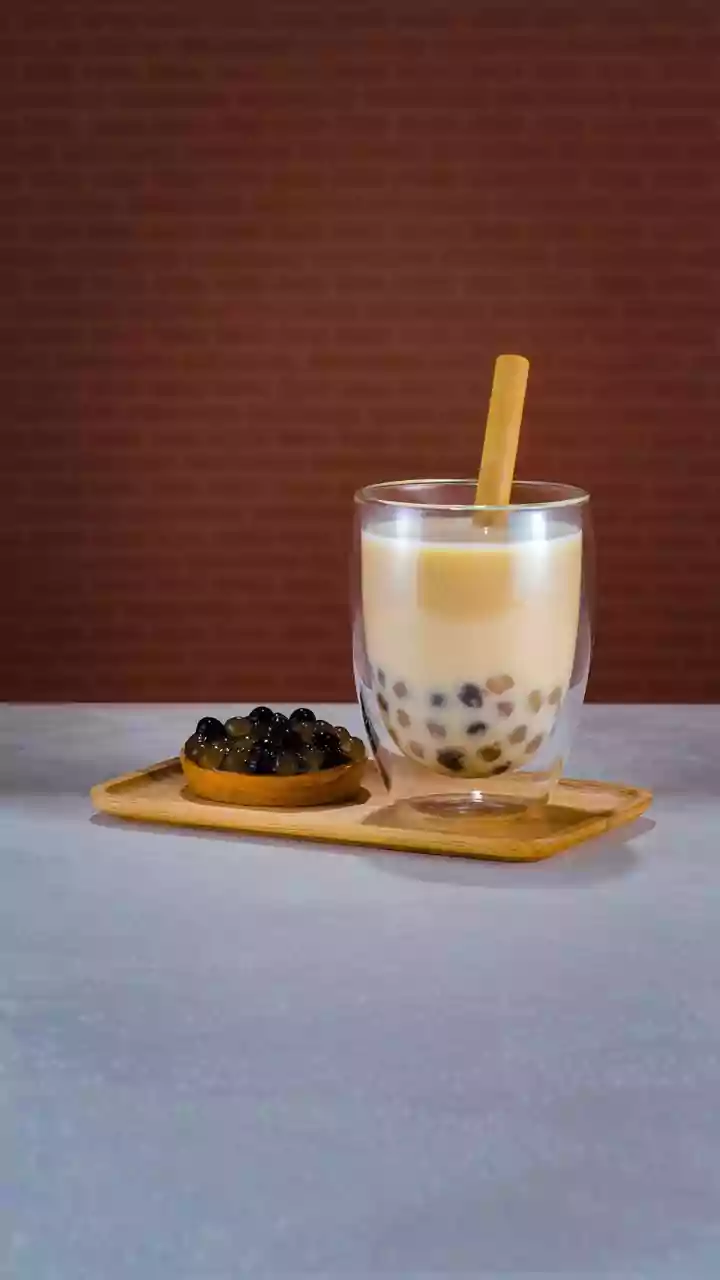
‘ras’—that has been thickened and perfumed with cardamom, saffron, and a scattering of pistachios and almonds. The experience is one of softness and subtlety. The chenna is yielding, almost melting, and the milky bath is sweet and aromatic. It’s a dessert that evokes comfort, tradition, and celebration in equal measure.Enter tapioca pearls, or boba, the chewy spheres that form the heart of the global bubble tea phenomenon. Made from cassava starch, these pearls are almost entirely about texture. On their own, they have a very mild, near-neutral taste. Their magic lies in their signature chewiness—a springy, bouncy quality that has captivated a generation. When cooked, they become tender on the outside while retaining a satisfyingly firm core. The pearls are culinary sponges, readily absorbing the flavours of whatever liquid they are steeped in.
An Unlikely (But Intentional) Union
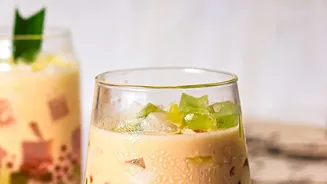
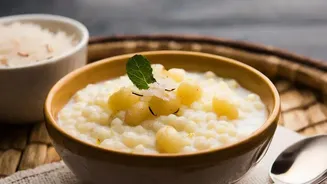
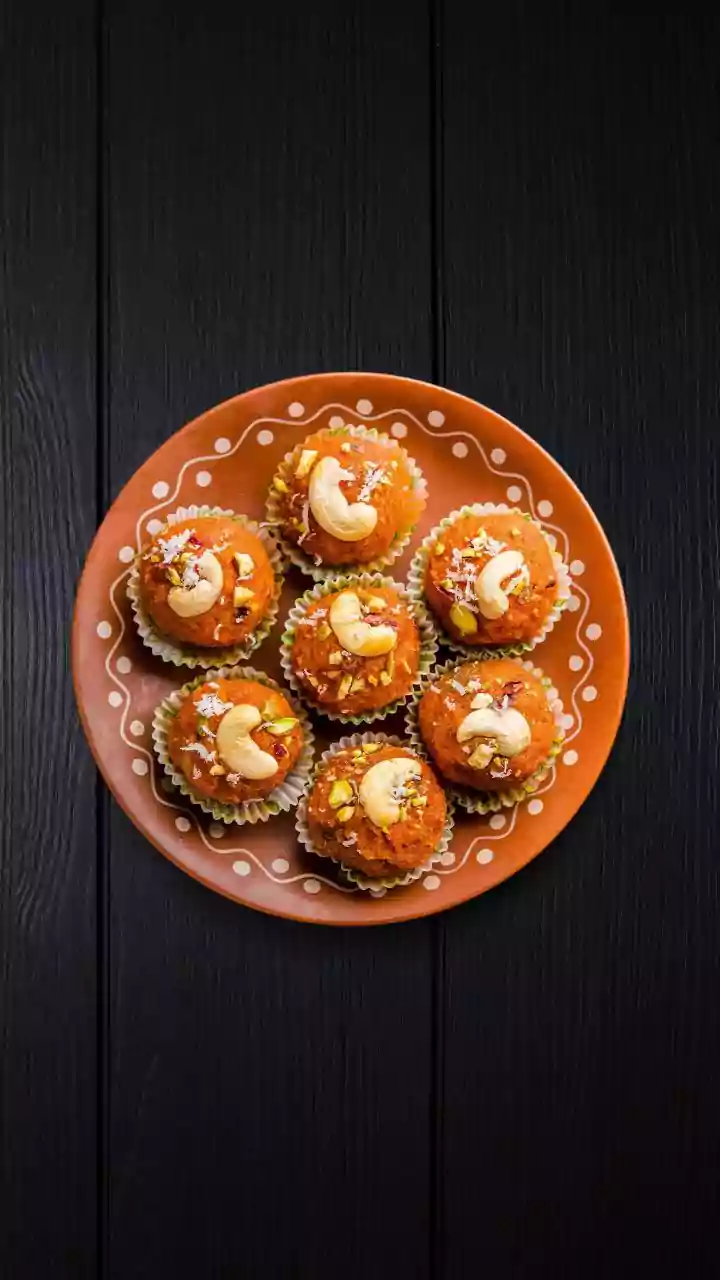
The combination of these two elements takes a few forms. The most direct approach involves adding cooked tapioca pearls directly into the traditional rasmalai, letting them float alongside the chenna discs in the saffron-infused milk. Another popular interpretation is 'Rasmalai Bubble Tea,' where a cold, creamy beverage is flavoured to mimic rasmalai and then served with a generous scoop of boba at the bottom. In either format, the goal is the same: to introduce a new textural dimension to a familiar favourite.This isn't just a random experiment; it’s part of a much larger trend in modern Indian cuisine. Chefs and home cooks are increasingly deconstructing and reassembling traditional dishes, creating hybrids like Gulab Jamun Cheesecake, Rasmalai Tres Leches, and Motichoor Ladoo Parfaits. These fusion desserts aim to balance nostalgia with novelty, offering the comfort of classic flavours in a contemporary format that feels fresh and exciting.
Why Texture Becomes the Main Event
The central claim—that the pearls alter texture more than flavour—holds true. Because tapioca pearls have little inherent taste, they don't compete with the dominant, aromatic notes of cardamom and saffron in the rasmalai's milk. Instead, they absorb it, becoming chewy little morsels of rasmalai-flavoured goodness. The flavour profile of the dish remains fundamentally unchanged. You still get the creamy, nutty, and fragrant experience you expect from rasmalai.What changes dramatically is the mouthfeel. The experience is no longer just about the soft, spongy chenna. Now, each spoonful introduces a surprising, delightful chewiness. There is a playful contrast between the yielding cheese patties and the bouncy, resilient tapioca balls. This textural interplay is the entire point of the fusion. It transforms rasmalai from a uniform, soft dessert into something more complex and interactive, a quality that is highly valued in the modern dessert landscape, where texture is often as important as taste.
A Bridge Between Generations?
The reaction to this fusion dish is often divided along generational and preferential lines. For culinary purists, adding boba to a classic like rasmalai can feel like an unnecessary gimmick that distracts from the dessert's original, delicate charm. The subtle softness of rasmalai, they might argue, is its defining feature, and introducing a chewy, dense element disrupts that harmony. For them, it's a solution in search of a problem.However, for a younger, more adventurous audience raised on global food trends like bubble tea, this fusion makes perfect sense. It’s a way to connect with a traditional sweet through a modern, familiar lens. It’s fun, it’s different, and it’s shareable on social media, where visual and textural novelty reigns supreme. This dessert isn't just a dessert; it’s a conversation starter. It successfully bridges the gap between the mithai shop of their parents' generation and the bubble tea cafe of their own.