



The Science Behind the Bend
That noticeable lean is a natural survival instinct called phototropism, which is the process of a plant growing toward its light source. This movement is driven by a powerful growth hormone called auxin. When light shines on a plant from one primary
direction, like a nearby window, the auxin hormones migrate to the shaded side of the stem. These hormones stimulate the cells on the dark side to grow longer and faster than the cells on the sunny side. This difference in growth rates causes the stem to curve and bend, pointing the leaves toward the light to maximize their energy intake for photosynthesis. First described by Charles Darwin, this clever mechanism ensures plants can find the light they need to survive, even when they sprout in the shade.
More Than Just Good Looks
While a lopsided plant can look a bit awkward, correcting the lean is about more than just aesthetics. When a plant grows unevenly, it develops structural imbalances. The side reaching for light may become elongated and 'leggy', while the shaded side remains underdeveloped. This can lead to weaker stems that are more prone to breaking. By ensuring all sides of the plant get a turn in the sun, you promote balanced, sturdy growth. Even development also leads to fuller, more robust foliage all around, contributing to the plant’s overall vigour. Furthermore, exposing all parts of the plant to light and air can reduce the risk of pests and fungal issues that thrive in stagnant, shaded conditions.
The Simple Fix: Regular Rotation
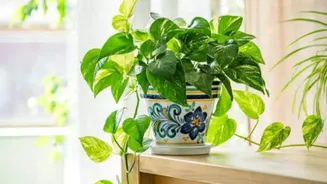
The easiest and most effective way to prevent a permanent lean is to rotate your plants regularly. This simple habit ensures that every part of the plant gets its share of sunlight over time, encouraging the stem to grow straight and strong. There is no single strict rule for how often to rotate, as it depends on your plant and the amount of light it receives. A widely recommended and easy-to-remember guideline is to give your plant a quarter-turn each time you water it. For plants in lower-light conditions, a weekly or bi-weekly turn might be necessary, while those in bright, direct light might only need rotation every few months. The key is consistency. Choose a direction and a frequency that works for you, and make it a regular part of your care routine.
Correcting a Serious Lean
What if your plant already has a significant tilt? Don't worry; it can usually be corrected. Simply turn the plant 180 degrees so the shaded, less-developed side is facing the window. The plant's phototropic response will kick in again, and over several weeks or months, it will start to straighten itself out as the previously shaded side begins to grow more strongly toward the light. For a very dramatic lean, you might consider a more gradual correction with a series of quarter turns to avoid stressing the plant. This is also a great opportunity to inspect the leaves for dust or pests, and to prune any dead or yellowing foliage, which further improves the plant's health.
Beyond the Basic Turn
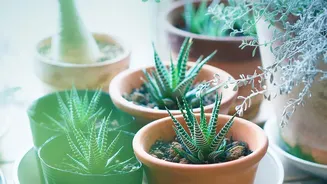
While rotation is the primary solution, sometimes your home's layout makes it difficult to provide enough natural light. If you notice plants are still stretching and becoming leggy despite regular turning, you may need to supplement their light. Placing plants closer to windows, cleaning your windows to maximize light penetration, or even using mirrors or bright walls to reflect light can help. For darker corners or during winter months, introducing an artificial grow light is a highly effective way to provide consistent, even light from above, eliminating the cause of phototropism altogether. Plants like succulents that need several hours of direct sun will particularly benefit from a supplemental light source if a south-facing window isn't available.