






The Launchpad For Growth
The catalyst for India's private space surge was a series of landmark policy reforms initiated in 2020. Before this, the sector was almost entirely the domain of the Indian Space Research Organisation (ISRO). The government's decision to open the industry
to private enterprise has transformed the landscape. A key development was the creation of the Indian National Space Promotion and Authorisation Centre (IN-SPACe). This body acts as a single-window agency, streamlining approvals and bridging the gap between private companies and ISRO's extensive infrastructure. The Indian Space Policy 2023 further clarified the roles of private entities and the state, aiming to build a globally competitive ecosystem. This new framework, combined with liberalised foreign direct investment (FDI) rules, has sent a clear signal: India is open for space business.
Evidence of the Boom
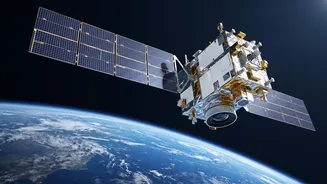
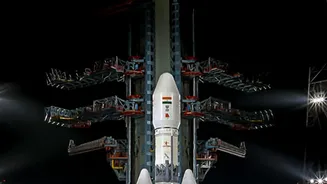
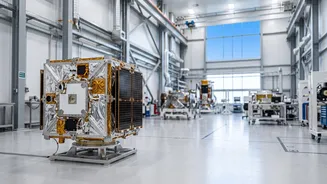
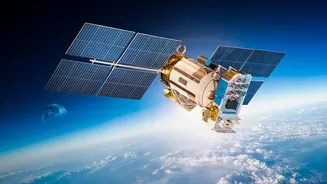
The numbers paint a compelling picture. From just a single registered space startup in 2014, India is now home to over 440 as of mid-2026. Investment has followed, with funding surging from $43 million in 2021 to a record $200 million in 2025. This capital is fueling tangible progress. Hyderabad-based Skyroot Aerospace made headlines with the successful orbital launch of its Vikram-1 rocket, a first for a private Indian company. Agnikul Cosmos has developed its own launch vehicle and established the country's first private launchpad. In the satellite domain, companies like Pixxel are deploying constellations of hyperspectral satellites to provide high-resolution earth imaging, raising significant international funding. These successes demonstrate a growing capability beyond just supplying components to ISRO, with startups now designing and launching their own complex systems.
Gravity's Pull: The Sector's Limits
Despite the impressive growth, significant hurdles remain. A primary challenge is funding. While early-stage investment has grown, the sector struggles with a lack of patient, long-term capital required for deep-tech projects with long development cycles. Most venture capital funds are structured for software companies, not capital-intensive hardware like satellites and rockets. Furthermore, there is a gap between celebrated launches and proven commercial success; some critics note that PR milestones are sometimes prioritized over demonstrating consistent, reliable in-orbit performance. Revenue generation is another bottleneck, with very few startups currently earning significant income. Many private firms also remain heavily dependent on ISRO's testing facilities, creating a potential bottleneck as the number of companies grows.
Navigating a Crowded Universe
Indian space startups do not operate in a vacuum. They face intense competition from established global giants and a myriad of well-funded international startups. To succeed, Indian firms must not only prove their technology but also secure a foothold in the global market. The government has set an ambitious target of increasing India's share of the global space economy from its current estimate of around 2% to nearly 10% within the next decade. This requires moving beyond domestic demand and winning international customers for launch services and satellite data. Key challenges include a lingering regulatory vacuum, as India still lacks a comprehensive national space law, which can create uncertainty for businesses. There is also a talent gap in highly specialized areas of aerospace engineering, making recruitment and retention a persistent issue.