





Meet the Hardy Coastal Gem
Known to scientists as Carpobrotus edulis, the fruit in question is more commonly called the sour fig, Hottentot fig, or suurvy. It grows on a hardy, ground-covering succulent often seen stabilising coastal dunes in South Africa. For centuries, this plant
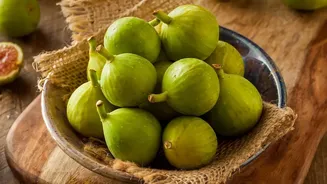
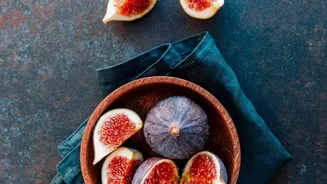
was primarily known for its resilience and magenta or yellow flowers. The fruit itself is small, fig-shaped, and becomes soft and ready to eat in the late summer and early autumn. Traditionally consumed raw or processed into jams and chutneys, it has a distinctively sharp, sour, and slightly salty taste. While its primary use has been localised, modern science is now uncovering the powerful nutritional secrets hidden within this humble fruit.
A Legacy of Traditional Use
Long before it entered the scientific spotlight, the sour fig was a staple in the culinary and medicinal practices of Southern Africa's indigenous peoples. Its juice and pulp were traditionally used to soothe sore throats and treat minor skin irritations, burns, and insect bites. The leaves, which are also edible, were applied as poultices for their anti-inflammatory and wound-healing properties. This extensive traditional knowledge, which recognised the plant's benefits for everything from digestive issues to skin infections, provided the first clues that the sour fig was more than just a seaside plant. Its ability to thrive in harsh coastal conditions also made it a cultural symbol of resilience and adaptability.
A Breakdown of the Benefits
Recent research has validated much of the sour fig's traditional reputation, revealing a remarkable nutrient profile. Studies highlight its high concentration of antioxidants, which are crucial for protecting the body's cells from damage. The fruit is an excellent source of Vitamin C, a well-known immune booster, as well as fiber, which supports digestive health and can aid in weight management by promoting a feeling of fullness. Scientific analyses have found that the fruit is high in carbohydrates and protein but low in fat. It is also rich in essential minerals such as calcium and magnesium, and contains beneficial plant compounds like polyphenols and flavonoids. Furthermore, its fatty acid composition is noteworthy, with a high percentage of linoleic acid, an essential unsaturated fat.
From Ancient Remedy to Modern Interest
The renewed interest in sour fig is part of a broader global movement towards identifying and utilising nutrient-dense, plant-based foods. Researchers at institutions like the University of Johannesburg have been exploring the potential of indigenous South African fruits to supplement diets and address nutritional gaps. The sour fig, along with other species in the Carpobrotus genus, is being studied for its high levels of essential nutrients, which in some cases compare favourably to cultivated fruits like apples and oranges. Scientific validation of its antibacterial, anti-inflammatory, and antioxidant properties is paving the way for its consideration as a functional food or nutraceutical. This research is key to potentially developing new commercial crops and products for a health-conscious market.
Can You Find It on Shelves?
Despite its impressive credentials, the sour fig is not yet a common sight in global supermarkets. One significant challenge is its status as a highly invasive species in many parts of the world, including Europe and California, where it was originally introduced for ornamentation and soil stabilisation. This invasiveness complicates widespread cultivation. However, the interest in the fruit is driving innovation. In South Africa, it is still primarily used to make jams, chutneys, and sauces. As research continues to highlight its benefits, there is growing potential for its use in new products like juices, health supplements, or as a novel flavouring. For now, this intriguing fruit remains a regional specialty, a taste of the South African coast waiting for its moment on the world stage.